A lighter, quicker khoresh of chicken pieces and sliced mushrooms simmered in a thin tomato sauce tinted and perfumed with saffron. It lacks the long-cooked herbs or souring agents of the heavyweight stews; the body comes from onion, the mushrooms, and a little tomato, and the flavor is gentle and savory rather than sharp. Served over saffron rice, it is a weeknight stew and a favorite with children. Mushrooms are a relatively modern arrival in the Iranian repertoire, and the dish reads as a twentieth-century everyday khoresh rather than an heirloom one.
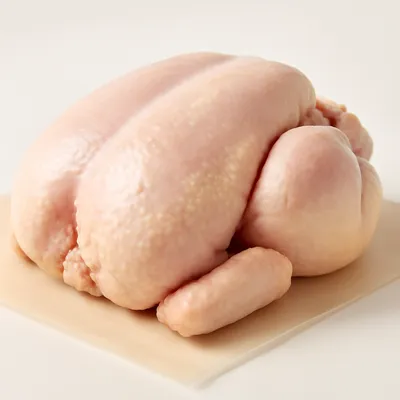
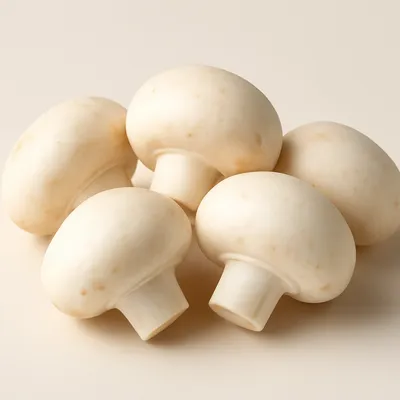

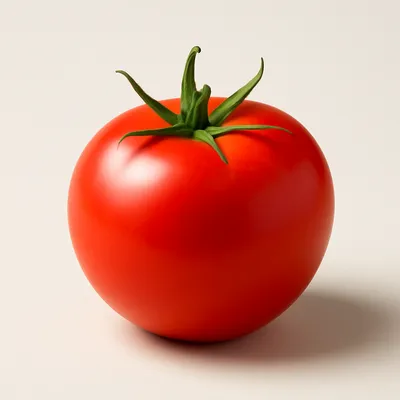
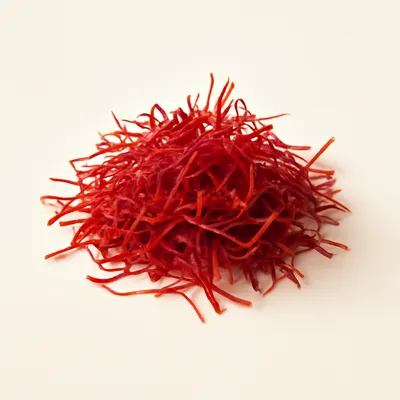

Khoresh is the broad Persian category of slow-cooked stews eaten over rice, and within it the mushroom version is a comparatively recent and casual member. Cultivated button mushrooms only became widely available in Iran in the modern era, so unlike the herb stews traced to pre-Islamic times this dish has no deep documented history; it sits among the everyday tomato-based khoreshes alongside Khoresh-e Gheimeh's lighter cousins. Saffron, by contrast, is the oldest Persian flavoring of all, cultivated in Khorasan for well over a thousand years, and it does the aromatic work here that herbs do elsewhere.
Soft chunks of chicken and slippery slices of mushroom in a loose, saffron-gold sauce that is more a flavored broth than a thick gravy. The mushrooms give up their water and take on the savor of the pot; the chicken pulls easily from the bone. It is mild — no sour bite, no bitter herb edge — clean and warm, the saffron lifting an otherwise simple braise. Spooned over white or saffron rice, the sauce soaks in.
The mushrooms are sauteed first, on their own or after the onion, to drive off their water before the liquid goes in; added raw to the sauce they would dilute it and steam grey rather than browning. The saffron is bloomed — ground and steeped in a little hot water — so its water-soluble pigment and aroma disperse evenly through the sauce instead of clumping. The chicken simmers only until just tender; because there are no tough herbs or beans to soften, the whole stew comes together far faster than a Ghormeh Sabzi.
Variations
Some cooks add a squeeze of lemon or a couple of dried limes for a faint sour edge; others keep it strictly mild. Diced potato or carrot bulks it out in some homes. A version with cream or a splash of milk turns it richer and more Western, popular in modern Tehran cafes. Boneless thigh or breast can replace bone-in pieces for speed, and a meatless all-mushroom version stands as a vegetarian khoresh.
On the Palate
Where Khoresh-e Gharch sits in the Persian flavor cloud
Ingredients
Serves 4
How it's made
7 steps · 20 min
- 18 min
Brown the chicken pieces in oil and set aside.
Watch outWait for a deep golden crust before you turn the chicken — a firm brown surface sets the savory base and keeps the pieces from stewing pale.
- 28 min
Saute the sliced onion until soft and golden.
- 38 min
Add the sliced mushrooms and saute until their water cooks off.
Watch outKeep going past the watery, squeaky stage until the mushrooms stop hissing and start to brown — dry, browned mushrooms deepen the sauce instead of watering it down.
- 44 min
Stir in tomato paste and a little turmeric, then return the chicken.
- 53 min
Bloom the saffron in hot water and pour it in with enough water to cover.
Watch outGround saffron steeped in hot water should bleed into a deep orange-red liquor before it goes in — that's how the color and aroma spread evenly instead of clumping.
- 645 min
Simmer covered on low until the chicken is tender and the sauce has thickened slightly.
Watch outSimmer on the barest bubble until a fork slides into the chicken and the sauce coats a spoon — a hard boil would toughen the meat and thin the body.
- 75 min
Adjust the seasoning and rest briefly before serving over rice.
Archive tool suggestions — not reviewed
These legacy suggestions have not been evidence-reviewed and are not presented as required tools.