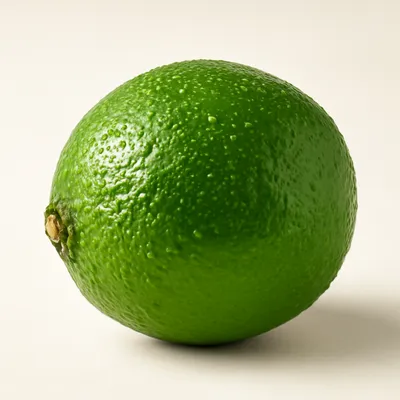
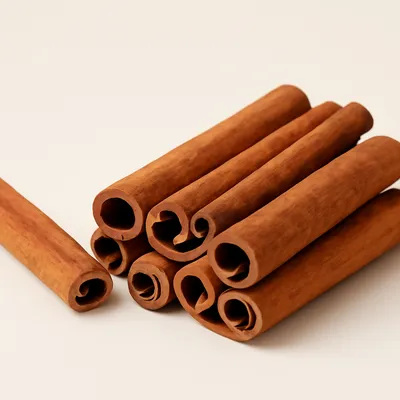
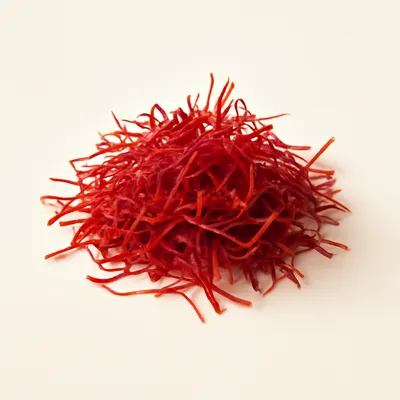
An autumn sweet-sour stew of lamb braised slowly with golden quince and yellow split peas, scented with cinnamon and saffron. The quince turns rosy and tender in the long cook and gives off its delicate floral fragrance, while dried lime or sour plum keeps the dish from tipping sweet. It is a seasonal dish, made when quince comes to market in late autumn. Served with saffron rice.


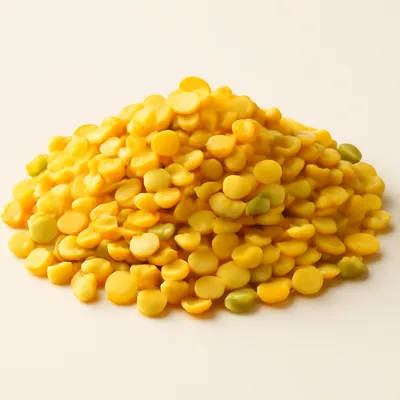

A traditional autumn and winter dish of Iran, built around quince (beh), a hard golden fruit prized in Persian cooking for its citrus-and-rose scent and its tartness. As with other fruit khoresh, the meat is balanced against the fruit's sourness, here tempered with a little sweetness. Yellow split peas are a common addition that thickens and grounds the stew, though some family recipes leave them out. The dish has no single dated origin; it is part of the old Persian habit of braising meat with seasonal fruit.
A deep amber stew, the quince stained rose-red from the long simmer and saffron, the lamb falling-apart tender. The split peas thicken the sauce to a soft, grainy body. The first note is the quince's perfume — floral, faintly like apple and rose — then the sweet-sour pull of fruit against meat, with cinnamon warming the back of it. The dried lime keeps a savory tartness underneath. Spooned over saffron rice.
Quince is rock-hard and high in tannin and pectin, so it needs long, gentle braising to grow tender and to develop its rosy color — rushing it leaves the fruit chalky and astringent. Many cooks brown the quince slices in butter or oil first to deepen their flavor. The split peas go in well into the cook, the last forty minutes or so, so they soften without disintegrating. Sugar is used sparingly: the aim is sweet-sour balance, not a sweet stew, with dried lime holding the savory side.
Variations
Beef or even chicken replaces lamb in lighter versions. Some families skip the split peas and let the quince and meat stand alone; others add a handful of yellow split peas for body. Dried sour plums (aloo) sometimes join or replace the dried lime as the souring agent. A pinch of rosewater at the end echoes the quince's natural perfume. The depth of color depends on how long the quince is allowed to braise.
On the Palate
Where Khoresh-e Beh sits in the Persian flavor cloud
Ingredients
Serves 4

How it's made
8 steps · 25 min
- 18 min
Soften sliced onion in oil, add cubed lamb and brown all over
- 270 min
Stir in turmeric and cinnamon, add hot water to cover and braise until the lamb begins to soften
Watch outBrown the lamb hard on every face before adding water — those seared edges are where the braise's savory backbone comes from; pale meat gives a flat stew.
- 312 min
Peel, core and slice the quince, then brown the slices in butter or oil
Watch outDon't rush the quince — it's rock-hard and full of tannin, so let it braise slow until it turns rosy; pulled early it stays chalky and puckery.
- 430 min
Add the browned quince to the pot and continue to braise gently
- 540 min
Add rinsed yellow split peas and pierced dried limes in the final 40 minutes
Watch outSlide the split peas in only for the last forty minutes — go earlier and they melt into mush instead of staying whole.
- 63 min
Stir in bloomed saffron and a measured amount of sugar to set the sweet-sour balance
- 715 min
Simmer slowly until the quince turns rosy and tender and the sauce thickens
Watch outTaste for sweet-sour balance, not sweetness — the sugar is there to meet the dried lime, so add it a little at a time.
- 82 min
Serve over saffron basmati rice
Archive tool suggestions — not reviewed
These legacy suggestions have not been evidence-reviewed and are not presented as required tools.