Baghali ghatogh is a slow-cooked bean dish from Gilan on Iran's Caspian coast: large flat beans simmered soft with a heavy hand of dill, a great deal of crushed garlic, and turmeric, then finished by cracking whole eggs straight into the pot so they poach in the surface. The authentic Gilani version uses pach-baghala, a small local dried bean resembling Italian borlotti, though cooks elsewhere substitute fava, lima, or kidney beans. It is thick and savory rather than soupy, deeply garlicky, and almost always eaten over kateh, the soft sticky rice of the north. Though technically a khoresh (stew), it is meatless, which sets it apart from most Persian stews. It is everyday home food in Gilan and Mazandaran and also a dish put out for guests.

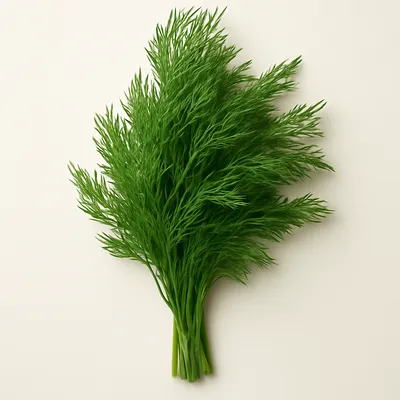



The dish belongs to Gilan province on Iran's Caspian coast, the country's most humid region, where a near-Mediterranean climate makes beans, dill, and garlic plentiful. As a regional folk dish it has no recorded inventor or founding date; the honest history is the Caspian terroir itself, whose cooking diverges sharply from inland Persia. Where most Iranian provinces build their food on meat-and-herb khoresh, Gilan, shaped by Caucasus and Turkic neighbors and by its own wet lowlands, leans on garlic, sour herbs, fish, and beans. The local name carries that frame: baghala means broad bean, and ghatogh in Gilaki refers to a thick dish eaten alongside rice. The signature bean, pach-baghala, takes its name from the Gilaki pach, meaning short or small. It is classic vegetarian everyday fare, eaten plain at home and dressed up with salted fish, pickled garlic, and olives for company.
The beans come out meltingly soft, splitting to a pale starchy cream, their skins slipped loose by long cooking. The pot reads gold from turmeric and is flecked dark green with masses of dill, and the smell is frankly garlicky, carried by a near-fistful of garlic cooked down sweet. Where the eggs were cracked in, the whites set into soft white pillows over yolks left barely runny. Spooned over warm sticky kateh, it eats thick, comforting, and savory, the dill keeping the richness bright.
Everything turns on slow, gentle cooking of the beans. Dried beans go hard in storage because phytic acid frees calcium and magnesium that cross-link with pectin in the cell walls, forming insoluble calcium and magnesium pectates; long soaking and unhurried simmering dissolve that pectin and the cell-wall polysaccharides, which is what lets the beans collapse to cream while the skins slip free. Acidity slows this, since a low-pH environment strengthens the pectin network and lengthens cooking time, so the sour notes some cooks add and the bulk of the salt go in late, after the beans are already tender. The dill is folded in toward the end to preserve its volatiles, chiefly alpha-phellandrene, carvone, and dill ether, which would scatter with long boiling. The large amount of garlic, simmered slowly, loses its raw pungency as the sulfur compounds mellow into sweeter, rounder notes. Finally the eggs are cracked onto the surface and the pot covered: held off a hard boil, they poach in the steam and the gentle heat of the stew, the whites coagulating around 63 to 65 degrees Celsius while the yolks stay soft.
Variations
In Gilan itself the prized bean is pach-baghala; elsewhere in Iran the dish is made with large flat beans such as lima, fava, or kidney beans according to what is at hand. The amount of dill and garlic is a matter of household taste, with some cooks using enough garlic to turn the dish sharply pungent. Some leave the eggs whole to poach over the top, while others stir them through so they marble into the beans. A squeeze of bitter-orange juice or a little verjuice is sometimes added for a tart edge, though many keep it plain. Beyond kateh it is also eaten with bread, and for guests it is set out alongside smoked or salted Caspian fish, pickled garlic, and olives.
On the Palate
Where Baghali Ghatogh sits in the Persian flavor cloud
Ingredients
Serves 4
How it's made
9 steps · 20 min
- 110 min
Soak the dried beans in plenty of water overnight, then drain. If using beans with tough skins, slip the skins off after soaking.
- 225 min
Boil the soaked beans in fresh water until they are beginning to turn tender, then drain, reserving some cooking water.
- 38 min
In a heavy pot, gently saute the crushed garlic in oil over low heat until fragrant and softened but not browned.
- 43 min
Stir in the turmeric, then add the beans and chopped dill and toss to coat in the spiced oil.
- 550 min
Pour in enough hot water or reserved bean water to barely cover, bring to a low simmer, cover, and cook slowly until the beans are completely soft and creamy.
Watch outSimmer covered on the lowest heat until the beans collapse to cream and the skins slip free — gentle unhurried heat dissolves the pectin; hold most of the salt and any sour until now, since acid keeps the beans hard.
- 65 min
Season with salt and, if desired, a squeeze of bitter-orange juice or verjuice, and let it cook a few minutes more so the dish thickens.
- 72 min
Make shallow wells in the surface and crack the eggs in whole, then cover the pot tightly.
Watch outCrack the whole eggs into shallow wells and cover tight — let them poach in the trapped steam until the whites just set and the yolks stay soft; leave the lid off and they overcook and dry.
- 88 min
Let the eggs poach gently in the steam until the whites are just set and the yolks remain soft.
- 95 min
Serve hot over kateh rice, with smoked or salted fish, pickled garlic, and olives alongside.
Archive tool suggestions — not reviewed
These legacy suggestions have not been evidence-reviewed and are not presented as required tools.