Slow-cooked eggplant pounded together with shredded lamb and kashk into a thick, savory dip. Where its cousin kashk-e bademjan stays a loose spread, halim bademjan is beaten dense and smooth, the meat worked in until the mass turns almost paste-like, hence the name halim, 'smooth'. It is scooped up with flatbread, finished with fried mint, caramelized onion and a drizzle of kashk. The Isfahani version binds the eggplant with rice and kashk rather than lentils.




Halim bademjan comes from central Iran, closely tied to Isfahan, the same region that gives Persian cooking kashk-e bademjan; the two share the roasted-eggplant-and-kashk base but diverge in body. The name borrows from halim, the wheat-and-meat porridge beaten to a smooth paste, describing the texture rather than the ingredients. It is eaten widely during Ramadan and Muharram, when filling, protein-rich dishes are made to break the fast, and is served as a starter or a light main with lavash or taftoon bread.
Thick and unctuous, a smoky brown-gold mass that holds the dent of a spoon. The eggplant reads as smoke and softness, the shredded lamb giving it body and a savory pull, the kashk lacing it all with a salt-sour tang. Fried mint adds a dark herbal edge and caramelized onion a sweetness underneath. Warm and dense, it is scooped, not poured, the bread doing the work of carrying each bite. Richer and meatier than the lighter kashk-e bademjan.
The eggplant is roasted or fried until fully collapsed, then drained of its bitter water so the dip does not turn watery. The lamb is simmered until it shreds, and the shreds are pounded into the eggplant — the beating is what gives halim bademjan its dense, smooth body, the same mechanical working that turns wheat porridge into halim. Kashk goes in off the heat at the very end; high heat makes it grainy and splits the texture. Rice, where used, is cooked soft and mashed in for binding.
Variations
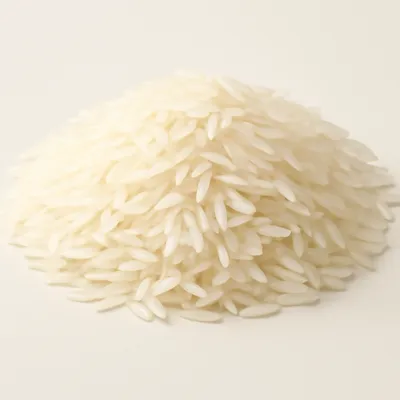
The Isfahani version is the standard, binding the eggplant with rice and kashk. Shiraz and Kerman make it differently, some leaning on lentils for body. Garnishes follow the kashk-e bademjan playbook — fried mint, golden onion, walnut, a final drizzle of kashk. Meatier renditions shred in more lamb; a leaner or meatless one drops the meat and leans on rice and walnut for the dense body.
On the Palate
Where Halim Bademjan sits in the Persian flavor cloud
Ingredients
Serves 6How it's made
8 steps · 30 min
- 140 min
Roast or fry the eggplant until fully soft and collapsed, then drain off the bitter liquid.
Watch outRoast or fry the eggplant until fully collapsed, then drain off the bitter water — leftover liquid turns the dip watery instead of dense.
- 260 min
Simmer lamb with onion and turmeric until tender enough to shred.
- 320 min
Cook rice until very soft for binding.
- 412 min
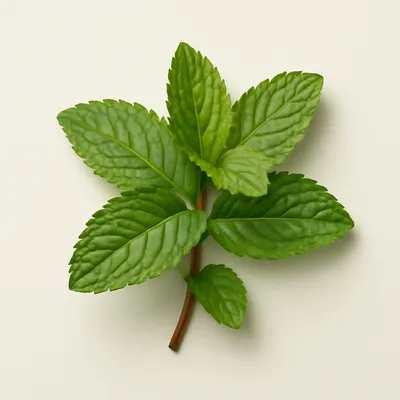
Saute sliced onion until deep golden, and fry dried mint in butter for garnish.
- 510 min
Mash the eggplant, then pound in the shredded lamb and soft rice.
- 68 min
Beat the mixture until thick, smooth and almost paste-like.
Watch outBeat the mixture until thick, smooth and almost paste-like — that mechanical working is what gives halim bademjan its dense body, so keep pounding.
- 74 min
Stir in most of the kashk off the heat and season.
Watch outStir most of the kashk in off the heat — high heat makes it grainy and splits the texture, so add it at the very end.
- 85 min
Spread into a dish and finish with fried mint, onion and a drizzle of kashk.
Archive tool suggestions — not reviewed
These legacy suggestions have not been evidence-reviewed and are not presented as required tools.

