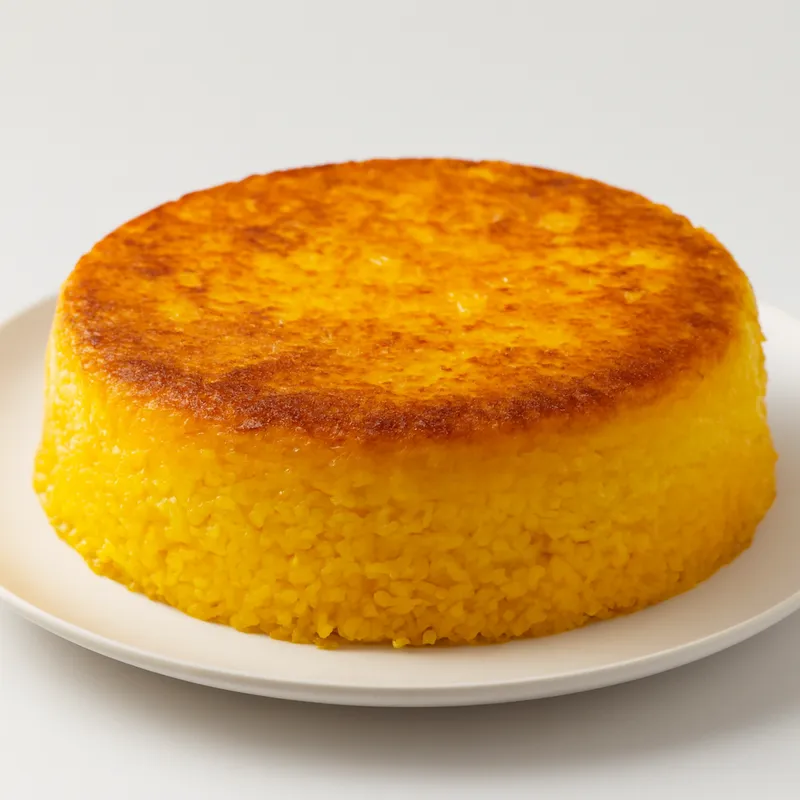
A thick, ruddy tomato soup carrying rice, yellow split peas, fresh herbs and tiny meatballs the size of marbles. It comes from the north-west of Iran and belongs to the deep family of Persian ash — soups built to stand up a spoon. Long, slow cooking breaks the rice and peas down into the broth, so the body comes from the grains rather than added thickener, while crushed tomato and a finishing squeeze of lime or sour-grape juice keep it bright. It eats as a hearty meal in its own right, with bread on the side.

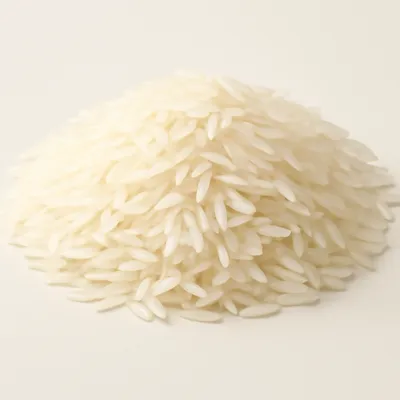
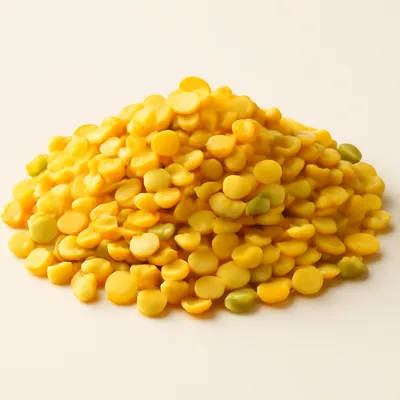



A north-western Iranian member of the ash family, the thick herb-and-grain soups documented in Persian cooking since medieval times. Its defining ingredient, the tomato, marks it as a relatively modern recipe: gojeh farangi means literally 'foreign plum,' the Persian name betraying the tomato as a New World import that only reached Iranian kitchens well after the Columbian exchange, so the dish in its tomato form cannot predate that arrival. Every region keeps its own mix of herbs, peas and beans; the north-western table favors a generous tang and small koofteh meatballs.
Deep tomato-red and almost stew-thick, the rice and split peas dissolved into a soft, grainy body. The first note is sweet-tart tomato, then the long-cooked herbs — parsley, coriander, scallion, sometimes basil — turning savory and slightly sweet. Small beef or lamb meatballs bob through, tender from the slow simmer. A squeeze of lime at the end sharpens the whole bowl, and a slick of fried mint or dried-pepper oil can finish it.
The body is built, not added: rice and yellow split peas are simmered for a couple of hours until they swell and burst, their starch thickening the broth from within — the reason the soup needs no flour or cream. The herbs go in early so their raw, grassy edge cooks off and they meld into the base. Tomato supplies both color and a gentle acidity, balanced at the end with lime or unripe-grape juice; too little and it reads flat, too much and it turns harsh, so the souring is judged by taste in the final minutes.
Variations
Northern and north-western versions tend to be tangier and meatball-heavy, while other regions vary the greens or swap in chickpeas and kidney beans. Some cooks add a handful of barley or more rice for a denser bowl; restaurant style often finishes with fried mint and dried-pepper oil. Where unripe grapes are in season their juice (ab-ghooreh) replaces lime, and a vegetarian version simply drops the meatballs.
On the Palate
Where Ash-e Gojeh Farangi sits in the Persian flavor cloud
Ingredients
Serves 6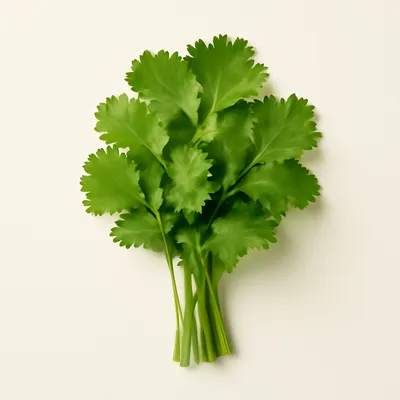

How it's made
8 steps · 30 min
- 160 min
Soak yellow split peas, then simmer with rice and sauteed onion until both grains soften.
- 212 min
Mince beef or lamb with grated onion and seasoning, and roll into marble-sized meatballs.
- 35 min
Stir crushed tomatoes and tomato paste into the pot and bring back to a gentle simmer.
- 48 min
Add the meatballs and finely chopped herbs, then simmer uncovered, stirring now and then.
- 5110 min
Cook low for about two hours until the rice and peas break down and the soup thickens.
Watch outSimmer low about two hours until the rice and split peas break down — their bursting starch is what thickens the soup from within; no flour, just time.
- 64 min
Adjust seasoning and stir in lime or sour-grape juice to sharpen the broth.
Watch outJudge the souring by taste in the final minutes — too little lime reads flat, too much turns harsh.
- 74 min
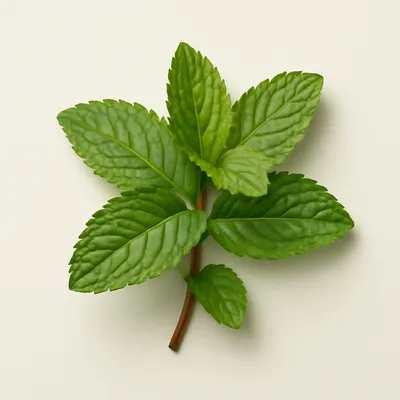
Fry mint in a little oil until fragrant for the topping.
- 83 min
Ladle into bowls and finish with the fried mint and a drizzle of its oil; serve with bread.
Archive tool suggestions — not reviewed
These legacy suggestions have not been evidence-reviewed and are not presented as required tools.