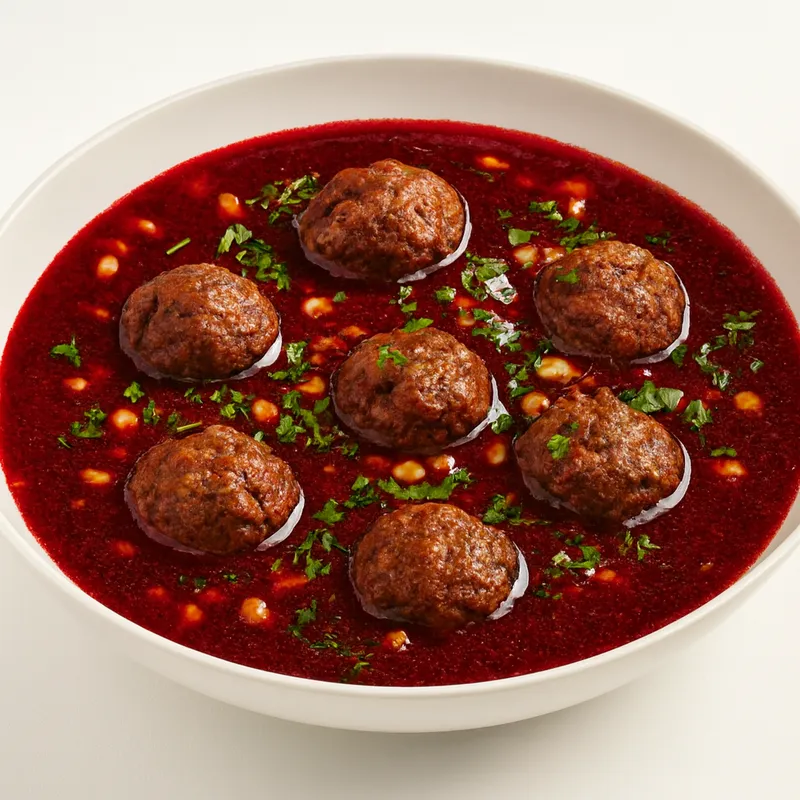
A dense, crumbly halva made from tahini — ground sesame paste — worked into a cooked sugar syrup until it sets into a firm block flaked through with fine layers, then sliced. Pale tan and richly nutty, it is the Persian member of the sesame-halva family eaten across the Middle East. Often studded with pistachios and scented with rosewater or vanilla, it is sold in slabs and eaten in small slices with tea. Sweet, sesame-forward and meltingly short on the tongue.
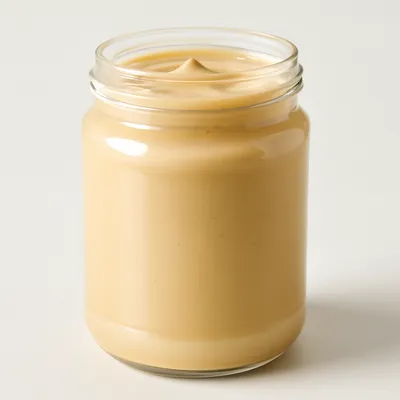


Halva-ye shekari — 'sugar halva' — is the Persian name for the tahini-based, sesame halva that is shared across the Middle East, the Levant, the Balkans and beyond, distinct from the flour or semolina halvas also made in Iran. It is built on tahini, the smooth paste of ground hulled sesame, an ingredient with deep roots in the region's cooking. Made commercially as well as at home, it is sold in cut slabs and given and eaten as a teatime sweet rather than tied to one city or occasion. Its layered, fibrous texture is the mark of the type.
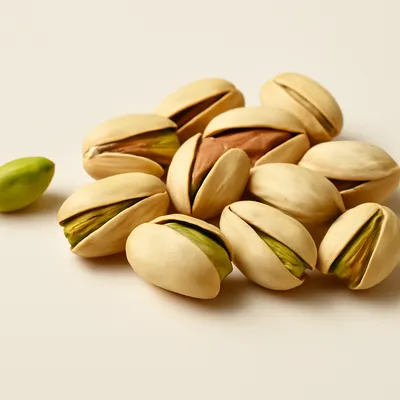
Firm but crumbly, breaking into fine flaky layers that dissolve into a smooth, oily-rich sesame sweetness on the tongue. Deeply nutty from the tahini, sweet without being sugary-harsh, with the faint perfume of rosewater or vanilla running through. Whole pistachios give a green crunch against the short, melting body. A small slice goes a long way; it is rich and dense.
The signature flaky texture comes from how sugar and tahini are brought together: a sugar syrup is cooked to the right concentration, then the warm tahini is folded and pulled through it. As the mass is worked, the sugar forms fine threads and the sesame oil and paste layer between them, and this stretching-and-folding is what builds the characteristic fibrous, sheeted structure rather than a smooth fudge. Temperature is exacting — too cool and it stays soft and sticky, too hot and the sugar crystallizes coarse or the tahini scorches bitter. It is then pressed into a block and left to set firm before slicing.
Variations
Plain tahini halva is the base; common additions are whole or chopped pistachios, almonds or walnuts folded in, and flavorings of rosewater, vanilla or saffron. A cocoa or chocolate-marbled version is widely made, as is one with a swirl of two colors. Texture ranges from very flaky to denser and more fudge-like depending on how hard the mass is worked. It is closely related to the sesame halvas of Turkey, the Levant and the Balkans.
On the Palate
Where Halva-ye Shekari sits in the Persian flavor cloud
Ingredients
Serves 12How it's made
8 steps · 15 min
- 15 min
Warm the tahini gently and stir it smooth, keeping it pourable.
- 215 min
Cook the sugar with a little water to a thick syrup at the soft-ball stage.
Watch outCook the sugar syrup to the soft-ball stage — too cool and the halva stays soft and sticky, too hot and the sugar crystallizes coarse.
- 32 min
Stir flavorings such as rosewater or vanilla into the syrup off the heat.
- 45 min
Pour the warm tahini into the syrup and begin folding the two together.
- 58 min
Work the mass by stretching and folding until fine threads and layers form.
Watch outStretch and fold the warm mass until fine threads and layers form — this pulling is what builds the signature flaky, fibrous texture, not a smooth fudge.
- 63 min
Fold in the pistachios while it is still warm and pliable.
- 74 min
Press firmly into a lined mold or tray and smooth the surface.
- 8120 min
Leave to set and firm at room temperature, then cut into slices.
Archive tool suggestions — not reviewed
These legacy suggestions have not been evidence-reviewed and are not presented as required tools.