A soft, jammy Persian halva built on grated carrots slow-cooked down with butter and sugar until they collapse, then bound with toasted rice flour and perfumed with saffron, rosewater and cardamom. Where the wheat-flour halva is dark and dense, this one is warm orange, looser and lighter, its sweetness lifted by the natural sugar of the carrots. It is smoothed onto a plate, marked with a spoon and showered with pistachios — a sweet especially favoured at Ramadan iftars and religious gatherings.



Carrot halva belongs to the same Persian repertoire of votive and celebratory sweets as its wheat-flour sibling, but it leans festive rather than funereal. It is cooked above all for Ramadan, served warm to break the fast at iftar, and prepared for religious gatherings and family occasions where a softer, fruit-sweet halva is wanted. Carrots have long been treated as much as a sweet vegetable as a savoury one across Iran and the wider region, and slow-cooked carrot confections of this type appear throughout Persian-influenced cooking, each version turning on its own balance of spice and perfume.
Soft and spoonable, almost jam-like, with the grated carrot cooked down so far it nearly melts but leaves a faint fibrous texture and a gentle bite. Warmly sweet and fruity from the carrots themselves, then layered with floral rosewater, the warm hay note of saffron and the resiny lift of cardamom. Richer and oilier than it looks from the butter; the pistachios cut the softness with crunch. Good warm or cool.
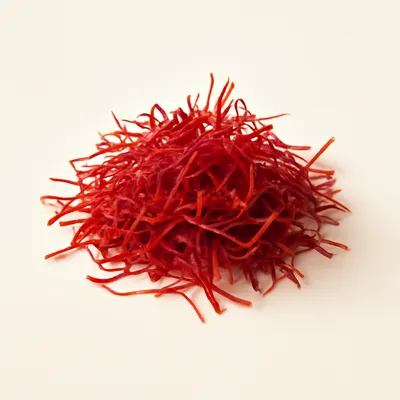
The carrots are cooked down slowly in butter so their cell walls break and they release moisture and sweetness, concentrating into a soft jammy mass — this long sweat is what separates a good carrot halva from a raw, watery one. Rice flour is toasted separately until aromatic, then stirred in to absorb the remaining liquid and bind the halva to a sliceable softness without the starch tasting raw. Saffron is bloomed for colour and scent, and rosewater and cardamom go in toward the end so their volatile aromas are not driven off by long heat.
Variations
Made looser to eat with a spoon, or cooked drier and firmer to slice; some cooks use wheat flour or semolina in place of rice flour for a denser body; sweetened partly with date syrup; finished with slivered almonds as well as pistachios; cardamom-forward in some homes, saffron-forward in others.
On the Palate
Where Halva-ye Havij sits in the Persian flavor cloud
Ingredients
Serves 8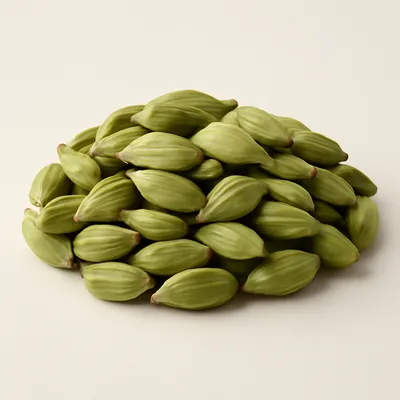
How it's made
7 steps · 20 min
- 120 min
Peel and finely grate the carrots, and bloom the saffron in a little hot water.
- 225 min
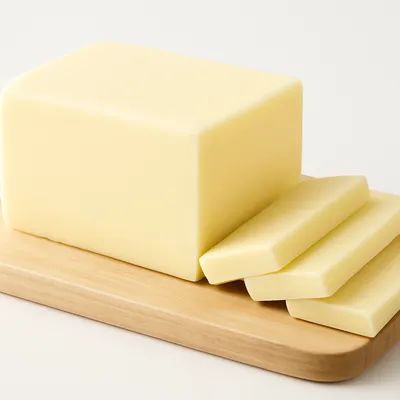
Cook the grated carrots gently in butter, stirring, until they soften, collapse and lose their raw moisture.
Watch outCook the grated carrots down in butter until they soften, collapse and lose their raw moisture — this long slow sweat is what turns them jammy; stop while they're still watery and the halva stays raw-tasting and loose.
- 38 min
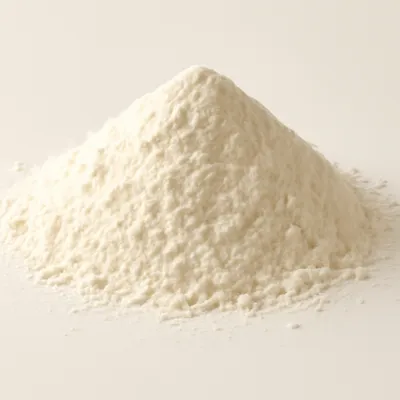
In a separate pan, toast the rice flour over low heat until aromatic and lightly coloured.
- 48 min
Stir the toasted flour and the sugar into the carrots and cook until the mixture thickens and pulls together.
- 53 min
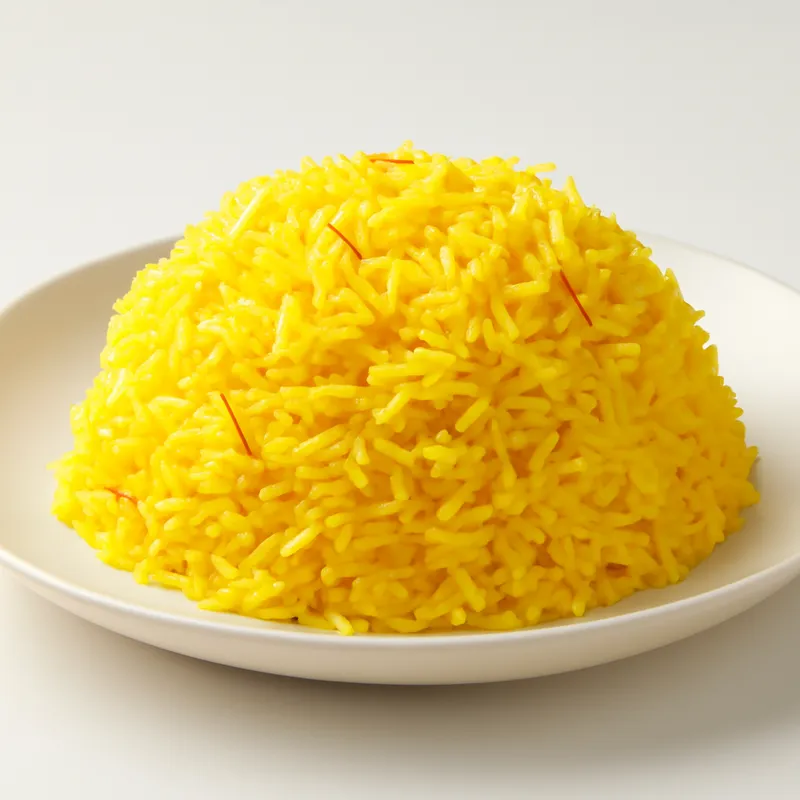
Add the bloomed saffron, rosewater and cardamom, stirring until evenly fragrant and glossy.
Watch outAdd the rosewater and cardamom only near the end — their aromas are volatile, so stir them in late or the long heat drives the fragrance off before it reaches the plate.
- 63 min
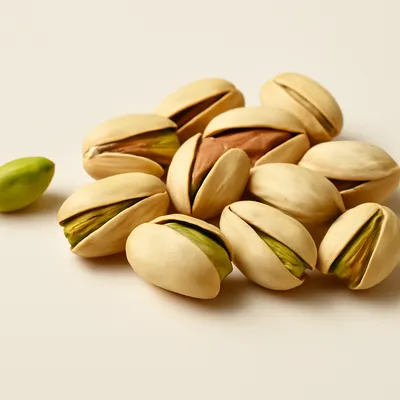
Smooth the warm halva onto a plate, mark it with a spoon and scatter pistachios over the top.
- 720 min
Let it firm up a little before serving, warm or cool.
Archive tool suggestions — not reviewed
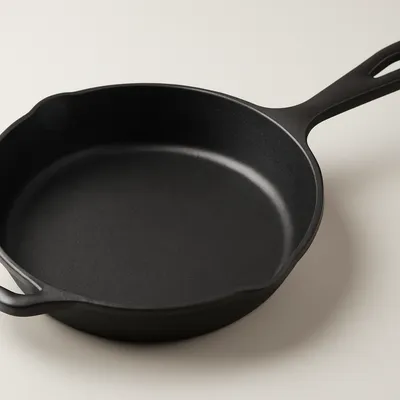
These legacy suggestions have not been evidence-reviewed and are not presented as required tools.