A soft, translucent confection of starch, sugar and water, perfumed with rosewater and often saffron and cardamom, then set and cut into glistening cubes studded with slivered pistachio and almond. Lightly sweet and yielding, it melts on the tongue rather than chewing like a firm jelly. It is one of the signature sweets of Shiraz and the wider Fars region, sold boxed as a souvenir of the city.


Masghati is a southern Iranian sweet associated above all with Shiraz and the surrounding Fars Province, where it is also made in Kazeroun and Larestan; the Kazerouni and Larestani versions run thicker and sweeter than the lighter Shirazi style. It is documented as a refined sweet served at celebrations, and together with koloocheh cookies it is one of the classic edible souvenirs travelers carry home from Shiraz. It appears on the Nowruz New Year table.
Cool, glossy cubes that tremble slightly and dissolve almost at once into a delicate rosewater sweetness, with saffron lending a faint warm bitterness and gold tint. The starch base is smooth and barely-set, never rubbery; the slivered pistachios and almonds on top give the only crunch. Best eaten chilled with tea.
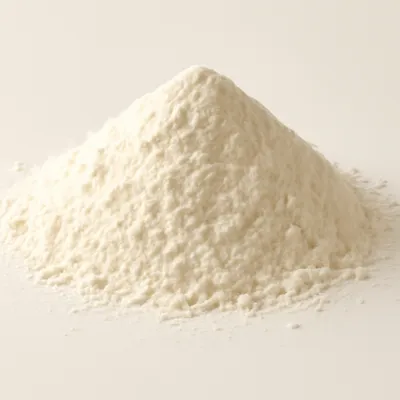
The texture is pure starch chemistry: starch (wheat, rice or corn) is whisked cold into water so it disperses without lumping, then heated with sugar while stirring constantly until the granules swell and gelatinize, thickening the mix into a clear, pourable gel. Stir without pause — let it catch on the base and it scorches and clouds. Rosewater goes in late and off the fiercest heat because its aroma is volatile and boils away; saffron is bloomed first to draw out colour and scent. Poured into a tray and cooled for a couple of hours, the gel sets firm enough to cut into clean cubes.
Variations
The base starch varies by region and household — wheat, rice or corn starch each give a slightly different clarity and bite. Flavour leans either rosewater-and-pistachio or a saffron-and-cardamom profile, sometimes both; some versions skip saffron for a pale, purely rose-scented sweet. Kazerouni and Larestani masghati is denser and sweeter than the Shirazi, and the garnish ranges from pistachio and almond to coconut.
On the Palate
Where Masghati sits in the Persian flavor cloud
Ingredients
Serves 8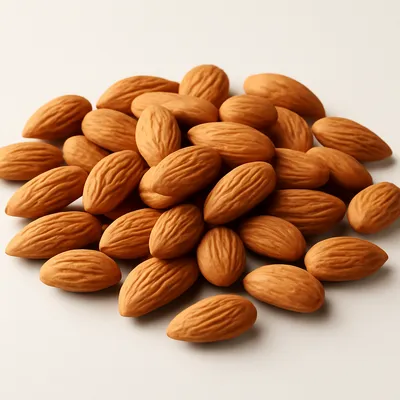
How it's made
8 steps · 10 min
- 13 min
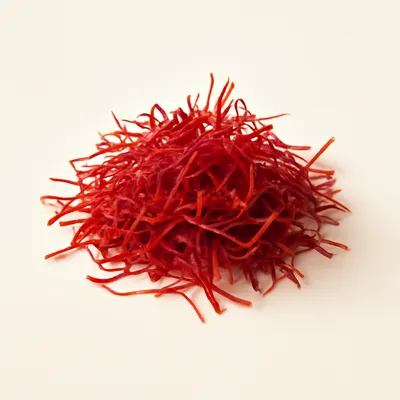
Bloom saffron in a little hot water and set aside.
- 24 min
Whisk the starch into cold water until fully dissolved and smooth.
Watch outWhisk the starch into cold water until dead smooth before any heat — lumps here never dissolve later and leave a gritty gel.
- 33 min
Combine with sugar and remaining water in a pot and place over medium heat.
- 412 min
Stir constantly as it heats; the mixture will thicken and turn from cloudy to clear and glossy.
Watch outStir without stopping as it heats; the moment it goes from cloudy to clear and glossy is when the starch has set.
- 54 min
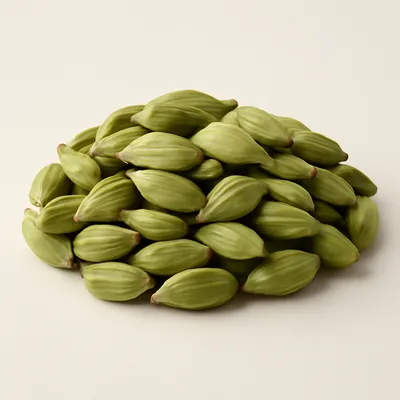
Stir in the bloomed saffron and cardamom; cook briefly until very thick.
- 62 min
Lower the heat and stir in the rosewater, then remove from the heat.
Watch outCut the heat right down before the rosewater goes in — its scent boils off fast, so add it off the fierce boil.
- 73 min
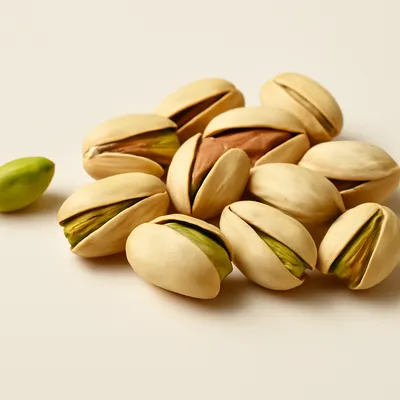
Pour into a shallow tray, smooth the top, and scatter with slivered pistachios and almonds.
- 8120 min
Cool to room temperature, then chill until set firm; cut into cubes to serve.
Archive tool suggestions — not reviewed
These legacy suggestions have not been evidence-reviewed and are not presented as required tools.


