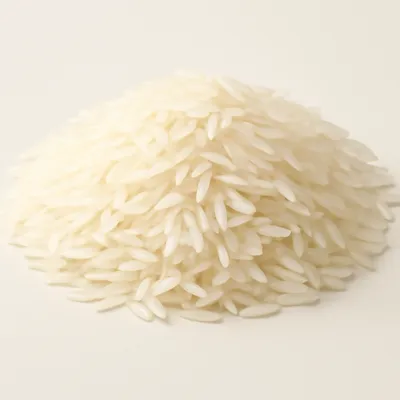
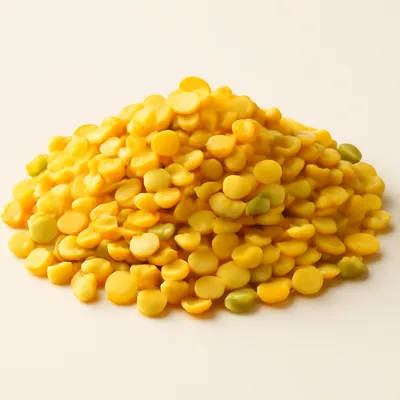
Large meatballs bound from ground lamb, rice and yellow split peas with a heavy hand of fresh herbs, simmered gently in a tomato-saffron broth until cooked through. The name means simply rice meatballs. Each ball is often hollowed and stuffed with a few barberries, walnuts or fried onion at its center. They are poached rather than fried, so the texture is soft and the broth becomes a light sauce. Served with bread or rice.



A home-style dish found across Iran and especially associated with the northwest, where the largest and most elaborate kufteh are made. Mixing rice and split peas into the meat stretches a modest amount of lamb and gives the ball its tender, slightly grainy bite — an economical, herb-rich format typical of Persian family cooking. The use of rice as a binder and the generous fresh-herb base place it firmly in the older tradition of Iranian kufteh; it has no single dated origin.
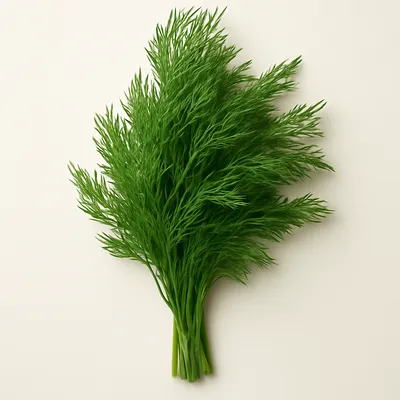
A pale, soft meatball the size of a small fist, flecked green throughout with parsley, dill and tarragon, its surface tinged orange by the saffron broth. Cut it open and the rice and split peas have set into a tender, slightly crumbly interior, with a pocket of barberries or walnut at the heart. The broth around it is light and tangy with tomato and saffron. The herbs are the dominant flavor — fresh and grassy against the gentle meat.
The mix must be kneaded thoroughly, almost to a paste, so the meat proteins and the starch from the rice bind it into a ball that will not fall apart in the liquid — under-kneaded kufteh disintegrate as they poach. The rice is usually parboiled or soaked first so it finishes tender inside the ball. They are lowered into already-simmering broth and never boiled hard or stirred, since rough handling breaks them; the gentle poach also lets the broth reduce into a light sauce around them.
Variations
The northwest makes giant kufteh the size of an orange or larger, sometimes with a whole egg or a small piece of chicken buried inside; central and Tehran versions are smaller. The herb mix varies with the season and the cook — parsley and dill are constant, tarragon and savory common. The stuffing ranges from barberries to walnuts to fried onion. Some cooks finish the broth with a squeeze of lime for extra tang.
On the Palate
Where Kufteh Berenji sits in the Persian flavor cloud
Ingredients
Serves 4
How it's made
8 steps · 35 min
- 120 min
Parboil or soak the rice and yellow split peas until partly tender, then drain
- 215 min
Knead the ground lamb with the rice, split peas, grated onion and a heavy quantity of chopped herbs until smooth and sticky
Watch outKnead until the mix turns sticky and smears like paste on your palm — that tack is the protein binding; stop short and the balls fall apart in the broth.
- 312 min
Shape into large balls, pressing a few barberries or walnut pieces into the center of each
- 46 min
Soften onion in oil, stir in turmeric and tomato paste and fry briefly
- 55 min
Add water to make a broth, bring to a gentle simmer and season
- 640 min
Lower the meatballs into the simmering broth and cover, poaching gently without stirring
Watch outSlide them into broth that's just shivering, then leave them be — a hard boil or a stir knocks them apart.
- 720 min
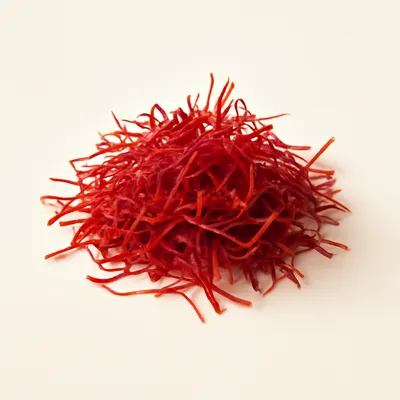
Stir bloomed saffron into the broth and continue until the kufteh are cooked through and the sauce has reduced
- 82 min
Serve the meatballs with their broth, alongside bread or rice
Archive tool suggestions — not reviewed
These legacy suggestions have not been evidence-reviewed and are not presented as required tools.



