A tangy yogurt-and-herb soup thickened with chickpeas, rice and tiny lamb meatballs, the broth turned green-flecked and faintly sour by a flood of chopped herbs. It is the signature ash of Ardabil and the cold high plateau of northwest Iran, where doogh — salted, sometimes mint-laced yogurt drink — is the everyday tang. Stabilized with egg and a little flour so the yogurt does not split over heat, it is ladled out steaming hot and finished with fried mint. Some cooks leave out the meat entirely and let the soured dairy and herbs carry it.

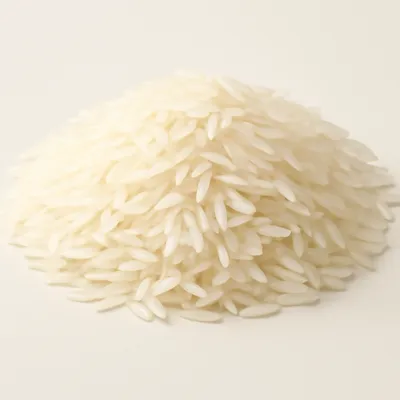

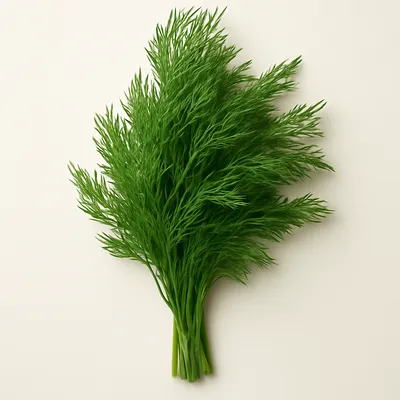
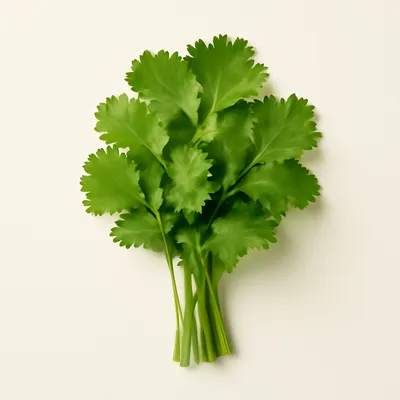
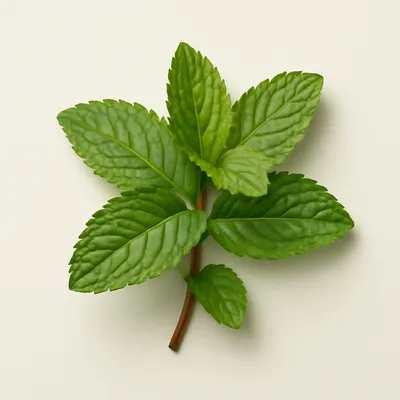
A local staple of Ardabil, Sarein and East Azerbaijan in northwest Iran, where the dish is built on doogh, the salted yogurt drink that anchors the region's cold-weather table. The name reads literally as 'ash made of doogh.' It belongs to the broad ash family — the thick herb-and-grain soups documented in Persian cooking since medieval times — and is the close Iranian cousin of the Caucasus dish dovga, which is typically cooked without meat; the Ardabil version leans heavier, with chickpeas, rice and small meatballs. It is eaten year-round but prized in the cold months and through Ramadan.
Warm, thick and unmistakably sour — the doogh gives a clean dairy tang that sits just short of sharp, softened by the starch of rice and chickpea cooked nearly to a purée. Threads of dill, coriander, tarragon and mint run all through it, the herbs simmered long enough to turn savory rather than raw. Little lamb meatballs give something to chew between spoonfuls, and a slick of fried mint floats on top, its toasted edge cutting the richness.
The technical hurdle is keeping the yogurt from curdling: stirred over heat, plain yogurt breaks and the soup turns grainy. Cooks beat in an egg and a spoon of flour or rice starch first, which coat the casein and hold the emulsion smooth as it warms; the doogh is then added near the end and the pot kept below a hard boil, stirred steadily for the last stretch. The herbs go in early so their raw green note cooks off, and the rice and chickpeas are simmered down until they thicken the broth from within rather than sitting in it.
Variations
Ardabil and Sarein are the heartland versions, dill-forward and often meatless to spotlight the doogh; East Azerbaijan cooks may fold in more rice or wheat for body. Adding small lamb meatballs makes it a fuller meal; some families finish with fried onion and garlic alongside the mint. The meatless Caucasus relative dovga is thinner and herb-bright, while a separate ash-e mast leans on thick yogurt rather than the salted drink.
On the Palate
Where Ash-e Doogh sits in the Persian flavor cloud
Ingredients
Serves 6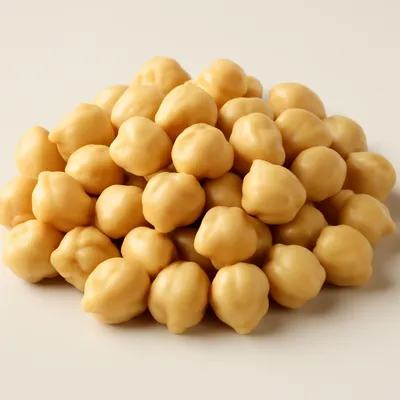


How it's made
8 steps · 40 min
- 170 min
Soak chickpeas overnight, then simmer with rice until both are soft and beginning to break down.
- 212 min
Mince lamb with grated onion and salt, roll into small marble-sized meatballs.
- 38 min
Finely chop dill, coriander, tarragon, parsley and mint; saute briefly to wake the aroma.
- 418 min
Add the herbs and meatballs to the chickpea-rice pot and simmer until the meatballs are cooked through.
- 55 min
Beat yogurt (or doogh) with an egg and a spoon of flour until smooth to stabilize it.
Watch outBeat the yogurt smooth with an egg and a spoon of flour first — this coats the proteins so the yogurt won't split and go grainy when it heats.
- 64 min
Temper the yogurt mixture with a ladle of hot broth, then stir it into the pot off a hard boil.
- 715 min
Hold over low heat, stirring steadily, until the soup is thick and just steaming — never let it boil hard.
Watch outHold it over low heat, stirring steadily, and never let it boil hard — a rolling boil curdles the yogurt and the soup turns grainy.
- 85 min
Fry mint in a little oil until fragrant and drizzle over each bowl before serving hot.
Archive tool suggestions — not reviewed
These legacy suggestions have not been evidence-reviewed and are not presented as required tools.

