A spring stew of tender lamb in a green sauce of fried mint and parsley, with tart rhubarb stalks added at the very end. The rhubarb supplies a clean, bright sourness that defines the dish, balanced by just a little sugar. It is cooked only in the brief rhubarb season and is one of the lighter, fresher members of the Persian khoresh family. Served over white rice.


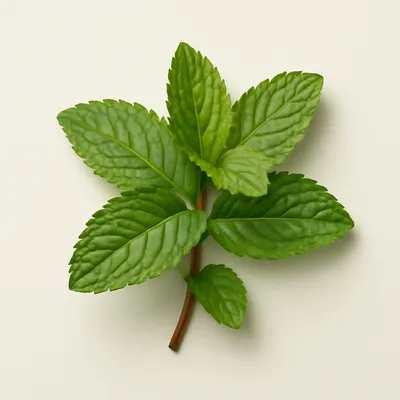


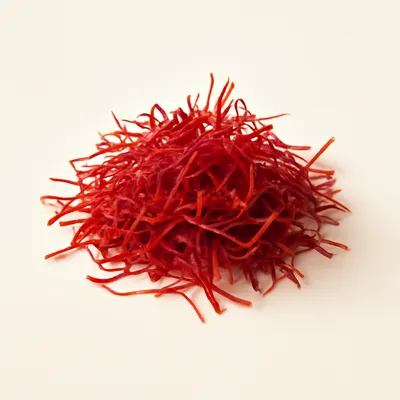
A seasonal dish of central and northern Iran, tied to the short window in spring when fresh rhubarb (rivas) appears. It belongs to the broad Persian tradition of souring meat stews with a tart plant — here rhubarb stands in the role that dried lime, sour plum or unripe grape play elsewhere. As a home stew bound to a fleeting harvest, it has no single dated origin, but the practice of cooking lamb with herbs and a spring souring agent is an old strand of Persian cookery.
A green-flecked stew, the sauce darkened by long-fried mint and parsley, with cubes of soft lamb suspended in it. Pale pink-green lengths of rhubarb lie on top, just cooked through and beginning to slump. The taste is sharply, cleanly sour from the rhubarb — almost lemony — over the deep savor of the herbs and meat, with a faint sweetness rounding it. The smell of fried mint is unmistakable. Eaten over plain rice.
The mint and parsley are fried in oil before the braise — this tames their raw greenness and builds the dark aromatic base of the sauce, the same logic behind ghormeh sabzi. The rhubarb is the opposite: it is added only in the last ten to fifteen minutes, because it cooks fast and falls apart into stringy mush if left in too long. Its sourness is potent and grassy, so the cook tempers it with a measured amount of sugar rather than letting it dominate.
Variations
Some cooks add a little fried chopped mint as a finishing garnish for extra fragrance. The herb base varies: parsley always, mint usually, sometimes a little scallion. Sugar is adjusted to the tartness of the rhubarb on the day. Beef can replace lamb. A few versions thicken the sauce more heavily; the lighter, brothier style is the more common spring treatment.
On the Palate
Where Khoresh-e Rivas sits in the Persian flavor cloud
Ingredients
Serves 4
How it's made
8 steps · 20 min
- 18 min
Soften sliced onion in oil, add cubed lamb and brown all over
- 255 min
Stir in turmeric, season, add hot water to cover and braise until the lamb is nearly tender
- 310 min
Finely chop the parsley and mint and fry them in oil until dark and fragrant
Watch outFry the herbs until they go dark and smell toasted, not just wilted — this is what builds the deep green base the braise stands on.
- 420 min
Add the fried herbs to the pot and simmer together for 20 minutes
- 513 min
Cut the rhubarb into batons and add them in the final 10 to 15 minutes only
Watch outAdd the rhubarb only in the last ten minutes — leave it longer and it collapses into stringy mush instead of soft chunks.
- 63 min
Stir in bloomed saffron and balance the tartness with a measured spoon of sugar
Watch outAdd the sugar a little at a time and taste — rhubarb's sourness is fierce, you want it tamed to a bright edge, not sweet.
- 78 min
Simmer gently without stirring so the rhubarb keeps its shape, then check seasoning
- 82 min
Serve over plain steamed basmati rice
Archive tool suggestions — not reviewed
These legacy suggestions have not been evidence-reviewed and are not presented as required tools.