A dark, herb-thick fish stew from Iran's southwest, built on cilantro and fenugreek fried down to near-black and soured with tamarind. Firm white fish is simmered into the green-brown sauce with garlic, chili, and turmeric until it just flakes. Tart, faintly bitter, and warmly spiced, it is the signature dish of Khuzestan and the wider Persian Gulf coast. It is almost always eaten over white or saffron rice.




Ghalyeh mahi ("fish stew") belongs to Khuzestan and the Persian Gulf ports, a coast whose kitchen sits closer to Arabia and India than to Tehran. The word ghalyeh denotes a thick, herb-and-spice braise common along the Gulf; tamarind and dried lime, both traded through these ports, give the sauce its defining sourness. The fish is whatever the boats bring in — often hammour (a Gulf grouper) or mackerel — and the dish reads as the southern counterpart to the milder herb khoresh of the interior. Closely related Gulf versions appear under the same name in Bushehr and across the water in the Arab states, which makes any single point of origin hard to fix.
A dark green-brown stew, thick with fried herbs, with pieces of white fish just holding together in it. The first taste is sour — tamarind and dried lime — then a slow heat from chili and a faint herbal bitterness underneath. Spooned over rice, it stains the grains green. The lime perfume lifts off the bowl before the spoon reaches it.
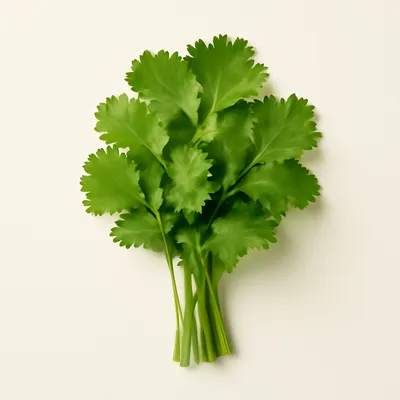
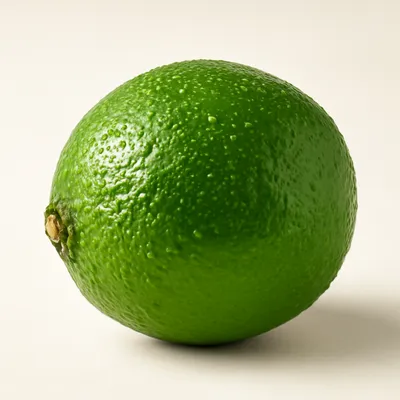
Everything hinges on frying the herbs first: cilantro and fenugreek leaves are cooked slowly in oil until they darken from grass-green toward black, which drives off the raw grassy note and concentrates their aroma. Fenugreek's sotolon gives the stew its signature scent and gentle bitterness. The souring is layered — tamarind for fruit acidity, dried lime (limoo amani) for a fermented sourness whose limonene releases only at a simmer — and together they cut the oily, briny taste of the fish. The fish goes in late and is barely stirred, so it stays in pieces rather than breaking up.
Variations
Bushehri cooks lean harder on dried lime; the Bandar Abbas version pushes the chili; some Khuzestani households sweeten the sour edge with a little date molasses. Shrimp can replace the fish to make ghalyeh meygu. A handful add sliced potato to stretch the pot, and the herb base sometimes carries dried dill or shanbalileh in different proportions from village to village.
On the Palate
Where Ghalyeh Mahi sits in the Persian flavor cloud
Ingredients
Serves 4

How it's made
7 steps · 30 min
- 115 min
Rinse and cube firm white fish, salt lightly, and set aside; soak tamarind pulp in warm water and strain to a thick juice.
- 28 min
Finely chop a large quantity of cilantro with fresh and dried fenugreek leaves.
- 318 min
Fry the herbs slowly in oil over medium-low heat, 15 to 20 minutes, until they darken from green toward near-black.
Watch outFry the herbs slowly until they darken from grass-green toward near-black — this drives off the raw grassy note and builds the stew's signature aroma; don't stop while they're still bright green.
- 43 min
Add chopped garlic, turmeric, and ground chili; fry briefly until fragrant.
- 520 min
Pour in the tamarind juice and a little water, drop in pierced dried limes, and simmer 20 minutes into a thick sauce.
- 612 min
Lay the fish into the sauce, season, and simmer gently 10 to 12 minutes until it just flakes, basting rather than stirring.
Watch outLay the fish in and baste rather than stir, simmering just until it flakes — stirring breaks the pieces up in the acidic sauce.
- 75 min
Rest off the heat a few minutes and serve over white or saffron rice.
Archive tool suggestions — not reviewed
These legacy suggestions have not been evidence-reviewed and are not presented as required tools.