


A staple of the Shiraz region, which grows the fresh dill and fava beans the dish depends on.
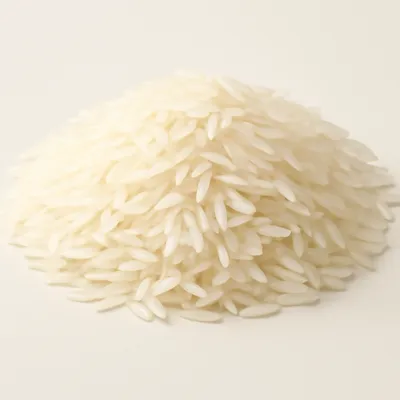
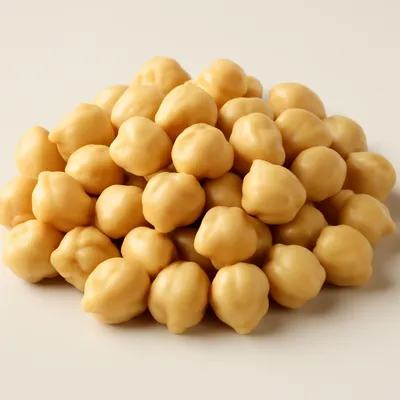
Dam-cooked rice with split fava beans, browned onion and turmeric, finished with butter. Eaten as a one-pot family meal, the bottom develops a deep tahdig crust.
Dampokhtak ('cooked by steam') is the original of the dum technique. Because the rice is steamed to full absorption rather than parboiled and drained, the grains stay soft and starchy and cohere into a sliceable mass, while the bottom oil-fries into a crisp tahdig.
Variations
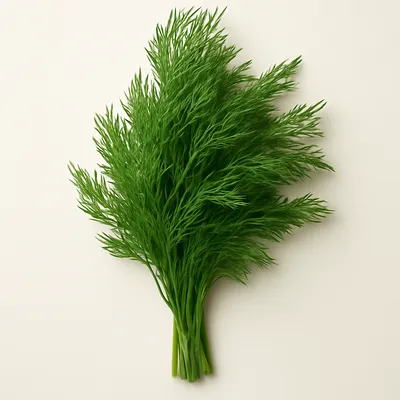
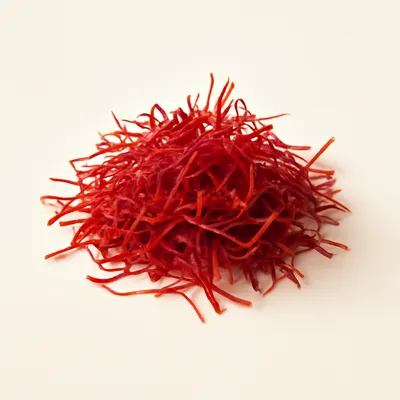
Beyond fava beans, cooks also make it with lentils, chickpeas or kidney beans; better versions add saffron and dill. The lentil-raisin-date rice often confused with it is the separate Adas Polo.
On the Palate
Where Dampokhtak sits in the Persian flavor cloud
Ingredients

How it's made
6 steps · 1 hour
- 12 min
Rinse basmati rice and soak for 30 minutes.
Watch outSoak the rinsed rice a full 30 minutes — the plumped grains cook evenly and stay whole instead of splitting.
- 25 min
Cook fava beans with a pinch of turmeric until tender.
- 32 min
Drain the rice and layer it with dill and cooked fava beans in a pot.
- 415 min
Dot with butter and sprinkle with saffron dissolved in warm water.
- 515 min
Cover and cook on low heat until the rice is fluffy and aromatic.
Watch outKeep the heat low and don't lift the lid — you want the trapped steam to fluff the rice and the bottom to fry into a crisp golden tahdig; a burnt-oil smell means turn it down.
- 65 min
Gently fluff the rice before serving.
Archive tool suggestions — not reviewed
These legacy suggestions have not been evidence-reviewed and are not presented as required tools.