

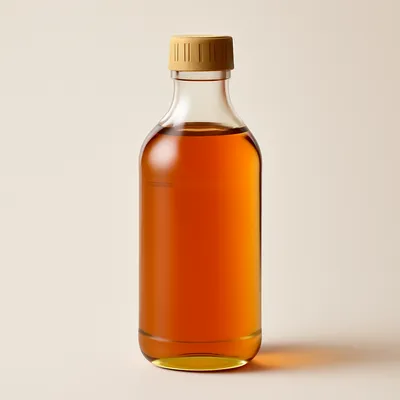
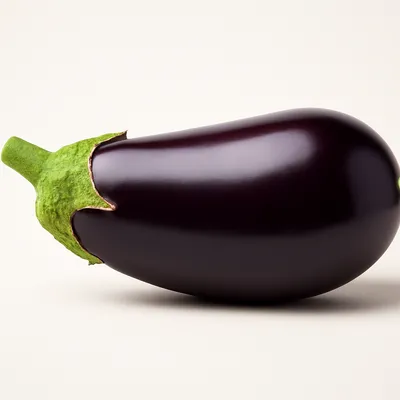
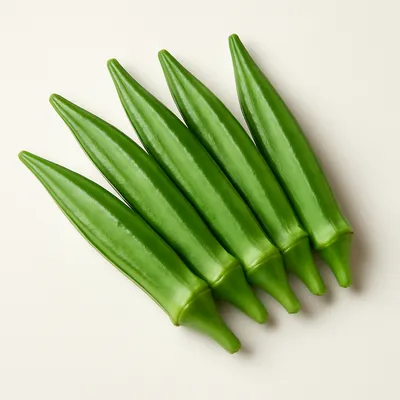


Pencham is the Diola (Jola) people's daily palm-oil fish stew, distinct from Wolof preparations by the heavy use of red palm oil (rather than peanut), the inclusion of the bitter African eggplant (called 'jaxatu' or 'aubergine africaine' — the small green bitter fruit of Solanum aethiopicum), and the slow-simmering method that creates a sauce rather than a soup. The dish is everyday Casamance cooking — eaten Monday through Friday in Ziguinchor, Bignona, and Oussouye villages. The bitterness of jaxatu balances the richness of palm oil; the okra adds body. Tourists rarely encounter pencham as it doesn't make it onto Dakar menus.
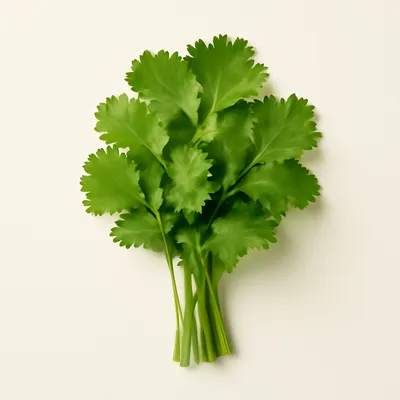
Spoon pencham over rice: the sauce is deep orange-red from palm oil and tomato, slightly thick from okra slime, with chunks of moist white fish, eggplant, and bitter-green jaxatu visible. The bitterness from jaxatu and the heat from scotch bonnet balance the palm oil's vegetal richness. Cilantro brightens. Casamance everyday cooking — not export-ready, but exactly what Diola villages eat.
Red palm oil is high in carotenoids and tocotrienols (vitamin E) — gives the dish its deep color and a vegetable-savory undertone that vegetable oils lack. Jaxatu's bitterness (from solanaceous alkaloids) is essential — without it, the palm-oil-and-tomato base reads as cloying. Okra's mucilage provides body without thickeners, which is why pencham doesn't need flour or starch.
Variations
Diola Casamance original uses fresh jaxatu and river fish; coastal Diola version uses shrimp instead of fish; Dakar diaspora restaurants substitute eggplant + lime for jaxatu (closer to taste, easier to source).
On the Palate
Where Pencham sits in the Senegalese flavor cloud
Ingredients
Serves 6
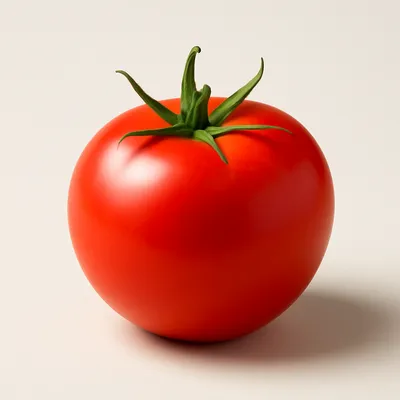
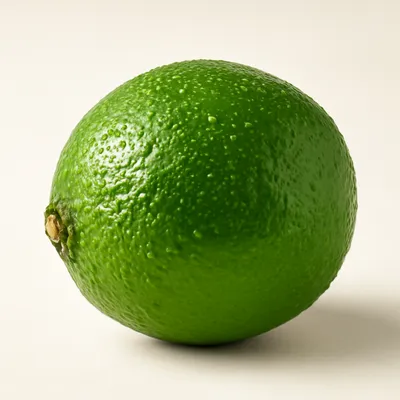
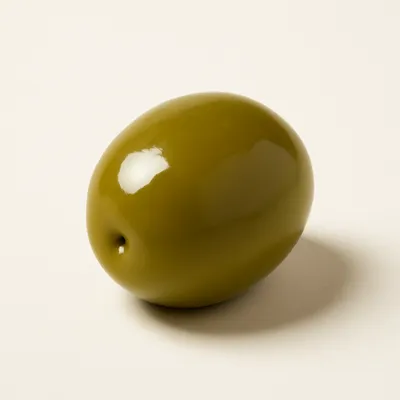
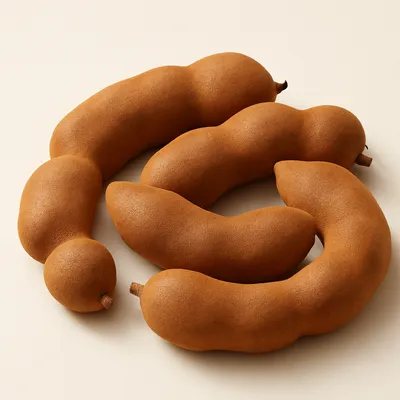

How it's made
5 steps · 30 min active + 45 min waiting
- 122 min
Clean 1kg whole white fish (snapper, tilapia, or grouper); cut into 4-5cm chunks. Season with 1 tsp salt, 1 tsp pepper, juice of 1 lime, 4 minced garlic cloves. Rest 20 min.
- 27 min
Pan-sear fish briefly: heat 2 tbsp palm oil in a heavy pan, sear fish chunks 3 min per side just to firm. Remove and set aside.
Watch outSear the fish only to firm the surface, 3 min a side — it finishes cooking in the sauce later.
- 38 min
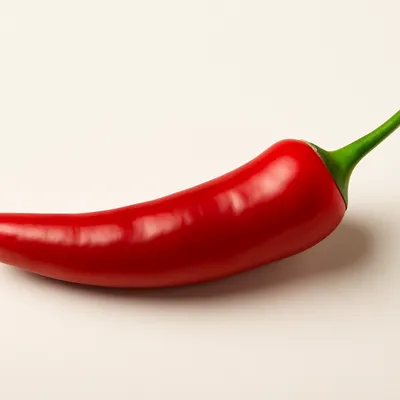
In the same pan, add 4 more tbsp red palm oil. Sauté 1 chopped onion + 4 garlic cloves + 1 thumb grated ginger + 1 scotch bonnet (chopped) for 6 min.
Watch outLet the palm oil and aromatics sizzle until fragrant and the oil glows red — that base carries everything.
- 46 min
Add 2 chopped tomatoes + 2 tbsp tomato paste + 1 tsp ground bouillon + 1 tsp salt; cook 4 min. Add 200ml water; stir to combine.
- 524 min
Add 1 chopped eggplant + 200g sliced okra + 4 quartered jaxatu (or substitute with 4 large green olives + 1 tsp tamarind paste for the bitter-sour profile). Simmer 15 min until vegetables are soft. Return fish to the sauce; gently simmer 8 min until fish is just cooked. Top with chopped cilantro and fresh chili slices. Serve over broken rice or with bread.
Watch outOkra should thicken the sauce to a glossy body — no flour needed; the mucilage does the work.
Archive tool suggestions — not reviewed
These legacy suggestions have not been evidence-reviewed and are not presented as required tools.


