
An Asturian slow-stew of a free-range farm rooster, jointed and braised for hours in a sauce of onion, garlic, tomato and wine or brandy until the firm dark meat turns tender. The bird is the local pitu de caleya, an old free-ranging rooster with dense, deeply flavoured flesh that demands long cooking. It is a celebration dish, served as a one-pot main, the meat in its reduced sauce often with potatoes or peas. Robust and gamey, the opposite of fast farmed chicken.
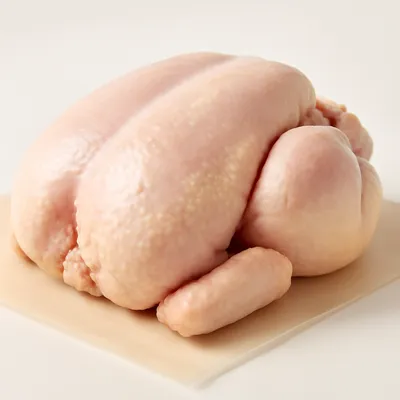



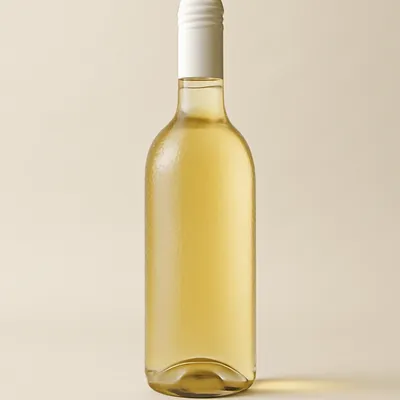
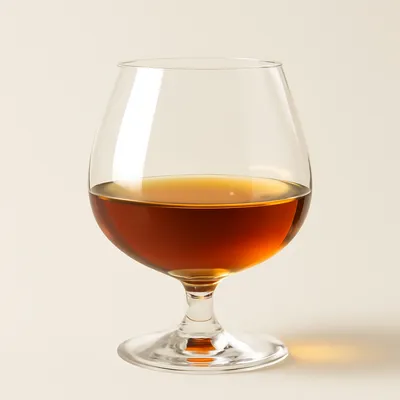
Asturias, where pitu de caleya means in the local speech a rooster (pitu) that has spent its life pecking along the country lane (caleya). Such birds were raised in peasant households for major religious and family feasts — weddings, baptisms, communions; fed on worms, grain and seeds rather than feed, they grow into large specimens of several kilos with dark, lean, firm flesh quite unlike farmed chicken. The slow stew is the classic way to cook one, and today the bird is promoted across Asturias as a marker of culinary quality.
Big joints of dark rooster meat, firmer and more sinewy than ordinary chicken, falling off the bone after long braising. The flavour is deep and slightly gamey, carried by a thick brown sauce of sweet cooked onion, tomato and wine with a brandy edge. Where ordinary chicken is bland and soft, this is dense and chewy-tender, the meat holding its fibre even when cooked through. Eaten warm with bread, potatoes or beans to take up the sauce.
Long, gentle braising is what an old bird needs. Free-range rooster meat is packed with connective tissue and works much harder than a farmed chicken's, so it is tough until the collagen has time to convert: held at a low simmer for roughly two to two and a half hours, the collagen breaks down into gelatine, which both tenderises the fibres and gives the sauce body. The pieces are usually browned first for a Maillard-seared depth, then a sofrito of onion and garlic and the wine or brandy are reduced around them. Rushing the cook leaves the meat rubbery.
Variations
The bird is also famously paired with beans as fabes con pitu de caleya, and cooked as an Asturian rice, arroz con pitu de caleya; the braising liquid varies by household between white wine, red wine and brandy, sometimes with a little cider; garnishes range from peas to potatoes. The technique is shared with other long-braised old-bird dishes such as the wider Spanish gallo or gallina guisada and pollo al chilindrón of neighbouring Aragon.
On the Palate
Where Pitu de Caleya sits in the Spanish flavor cloud
Ingredients
Serves 6


How it's made
6 steps · 30 min
- 115 min
Joint the rooster into serving pieces and season with salt and pepper.
- 212 min
Brown the pieces well in olive oil in a heavy pot, then set aside.
Watch outBrown the rooster pieces well before setting aside — this seared depth is the base of the sauce; an old bird needs that Maillard char.
- 312 min
In the same pot, sweat chopped onion and garlic until soft, add chopped tomato and cook down to a sofrito.
- 46 min
Return the rooster, pour in the wine and a splash of brandy, and let it bubble to cook off the alcohol.
- 5150 min
Add a little water or stock and a bay leaf, cover, and simmer gently for 2 to 2.5 hours until very tender.
Watch outSimmer gently a full 2 to 2.5 hours until very tender — a free-range rooster is all connective tissue and stays rubbery until the collagen has time to melt; rushing it leaves it chewy.
- 630 min
If using, add potatoes or peas in the last 30 minutes; reduce the sauce and adjust the seasoning before serving.
Archive tool suggestions — not reviewed
These legacy suggestions have not been evidence-reviewed and are not presented as required tools.


