


Fideuà was invented in Gandia (Valencia) by fishermen. The most cited story: a cook on a fishing boat ran out of rice and used broken pasta (fideos) instead. The result was preferred by the crew — noodles absorb more broth than rice. The dish spread and is now a Valencian classic.
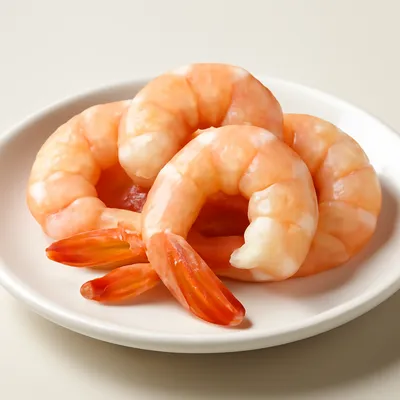
A paella pan of golden, short noodles — dry on top, moist underneath, with a crispy bottom layer (the fideuà's socarrat). Seafood (prawns, squid, mussels) is scattered throughout. Each forkful is intensely fish-flavored, saffron-perfumed, and texturally complex.
Short pasta (fideos) is toasted in oil before the broth is added — this gelatinizes the surface starches and prevents the noodles from becoming mushy. The fish stock must be strong (concentrated) because the pasta absorbs it completely. The crispy bottom (socarrat) forms when the starches caramelize against the hot pan.
Variations
The seafood varies; some use a sofrito base; aioli is the universal accompaniment.
On the Palate
Where Fideuà de Gandia sits in the Spanish flavor cloud
Ingredients
Serves 4

How it's made
6 steps · 45 min active + 15 min waiting
- 15 min
Toast fideos (short pasta) in olive oil in a paella pan until golden.
Watch outToast the little noodles in the oil until they're evenly golden — this seals them so they hold a bite; pale noodles go mushy in the broth.
- 25 min
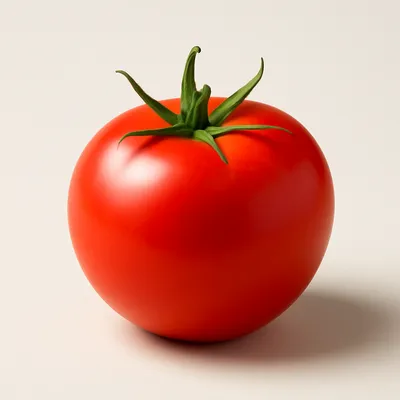
Add chopped onion, garlic, grated tomato; sauté.
- 35 min
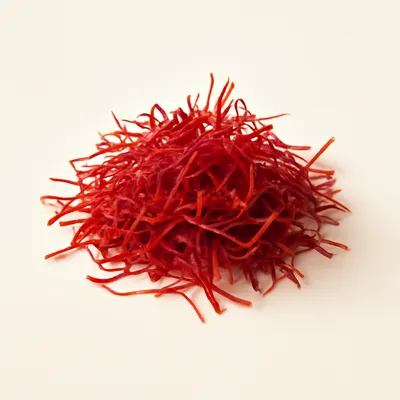
Add strained fish stock and saffron.
- 45 min
Arrange seafood (prawns, squid, mussels) on top.
- 518 min
Simmer uncovered 15-18 min until liquid is absorbed.
Watch outThe stock has to fully soak in — the pasta drinks it all, so don't let it swim; simmer until the surface is nearly dry.
- 61 min
Crisp the bottom for 2-3 min; rest 5 min; serve with aioli.
Watch outListen for a faint crackle from the bottom — that's the socarrat caramelizing; catch it before it tips from toasty to burnt.


