
Fresh unsalted Catalan curd cheese (mató), drizzled with mountain wildflower honey and topped with chopped walnuts — a monastic dessert from the Pyrenees foothills.


Mató is one of the oldest fresh cheeses in the western Mediterranean — documented in the Llibre de Sent Soví, the first Catalan cookbook, from the 14th century. It comes from the Pyrenees foothills and the Montserrat massif, where Benedictine monks at Sant Cugat and Montserrat monasteries paired the unsalted curd with mountain honey from their own apiaries. Mel i Mató became proverbial as the simplest possible Catalan dessert. Unlike most Iberian fresh cheeses, mató is specifically unsalted — the salt-free curd is what allows honey to be the entire dessert.
Mató goes back to 13th-century Catalan agricultural records. Sant Cugat and Montserrat Benedictines paired the unsalted curd with mountain honey from their own apiaries. Acid-coagulated at 85°C — softer and less elastic than rennet curd.
A spoonful is barely-sweet, milk-pure, almost like a fresh ricotta but more delicate — the curds yield without resistance. Honey ribbons across the top in floral perfume — orange blossom, rosemary, or chestnut depending on origin — and a walnut crunches against the curd's softness. Three textures, three temperatures (cool cheese, room-temp honey, dry walnut), and the only added sweetness is the honey itself. A salty mató ruins it; over-firm mató tastes like rubber.
Acid coagulation (lemon or vinegar at 85°C) gives a softer, less elastic curd than rennet — that's why mató has its distinctive cottage-soft texture rather than the springy bite of paneer or queso fresco. Sheep's or goat's milk gives more flavour but cow's milk works. The whole flavor system rests on three deliberate omissions: no salt in the cheese (lets honey speak), no sugar added (cheese stays neutral), no cooking the cheese (preserves milk's freshness).
Variations
Montseny mountain version uses sheep's milk; Pyrenees-Berguedà version is goat's; Mas el Garet near Olot drizzles with chestnut honey; coastal Maresme drizzles with carob honey instead.
On the Palate
Where Mel i Mató sits in the Spanish flavor cloud
Ingredients
Serves 4How it's made
6 steps · 25 min active + 1 hour 5 min waiting
- 115 min
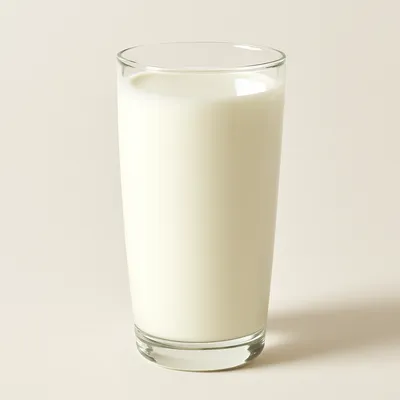
Heat 1 litre whole goat's or sheep's milk (or whole cow's milk if needed) slowly to 85°C in a heavy pot, stirring occasionally so it doesn't scorch on the bottom. Use a thermometer.
Watch outMilk burned on the bottom turns the whole batch slightly bitter and the curds taste off — never high heat.
- 212 min
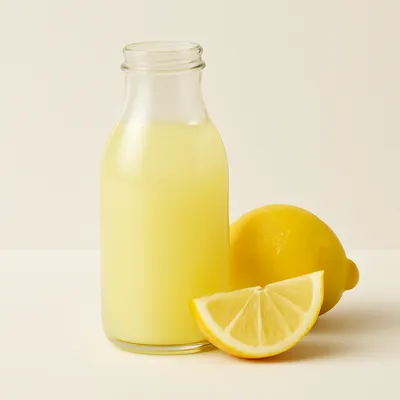
Off heat, stir in 3 tbsp fresh lemon juice (or 1 tbsp white vinegar). Within 30 seconds the milk separates: white floating curds and pale yellow whey. Cover and rest 10 minutes for the curds to fully develop.
Watch outIf curds don't form clearly the milk was too cool — bring back to 85°C and add another tablespoon of acid.
- 345 min
Line a colander with two layers of damp cheesecloth set over a bowl. Pour the curd mass through; let drain 30 minutes for soft mató, or 60 for firmer. Don't press — the texture should be cottage-loose, not tight like ricotta.
Watch outTying up the cheesecloth and squeezing makes it dense and dry — you want a yielding, slightly wet curd.
- 430 min
Tip the mató into a bowl. NO SALT, NO SUGAR — it must remain neutral so the honey can carry the dish. Refrigerate 30 minutes for it to firm up just slightly.
Watch outSalting at this stage is a common mistake — Catalan mató is the only fresh cheese in Iberian tradition that's specifically unsalted.
- 55 min
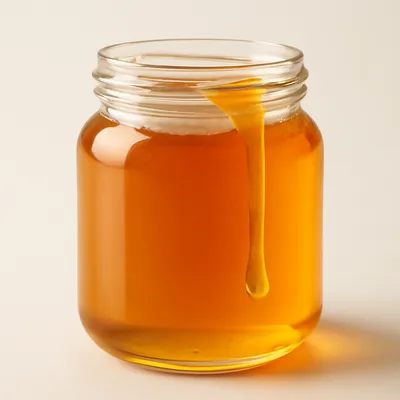
Toast 60g shelled walnut halves in a dry pan over medium heat 3-4 minutes until aromatic; cool, then chop coarsely. Have 4 tbsp wildflower or rosemary honey at room temperature so it pours easily.
Watch outWalnuts go from toasted to bitter in 30 seconds — pull as soon as you smell them.
- 63 min
Spoon mató into 4 individual bowls in soft mounds. Drizzle 1 tbsp honey over each in a slow ribbon. Scatter walnuts. Serve immediately at cool room temperature with a small spoon and a glass of dessert Moscatel if you wish.
Archive tool suggestions — not reviewed
These legacy suggestions have not been evidence-reviewed and are not presented as required tools.


