




The bocadillo de calamares took shape in 1960s Madrid — a working-class invention from the bars around Plaza Mayor and Calle Botoneras. Its rise is sometimes attributed to the cheap availability of frozen squid imports from the Atlantic during Franco-era expansion of the fishing fleet, and the bar economy of feeding labourers a substantial cheap lunch. There is no sea in Madrid, which makes the city's love of fried squid a genuine oddity — a bar dish, not a coastal one.
A 1960s Madrid invention from the bars around Plaza Mayor — odd because Madrid has no sea. Frozen Atlantic squid was cheap under Franco's fishing-fleet expansion. Milk soak is calcium chemistry; flour-only dredge keeps the rings from steaming inside batter.
Bite one is the crust of the roll cracking; bite two is the airy crumb soaking up squid steam; bite three is the rings — pearly white inside a thin gold crust, snappy not chewy, smelling of sea and lemon. The flour coat is barely there, just enough to keep the squid juicy. No sauce by default at the classic Plaza Mayor stalls — locals add lemon, tourists ask for aioli. A failed bocadillo is rubbery squid or soggy bread; the timing is unforgiving.
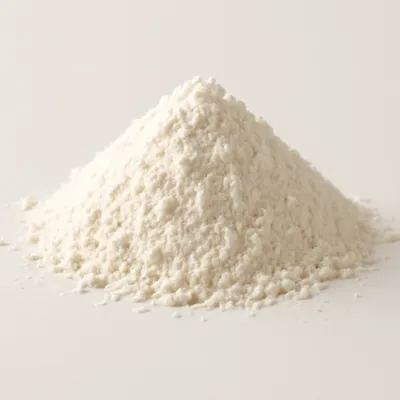
Two non-obvious moves keep the rings tender. The milk soak is calcium chemistry — calcium ions cross-link with squid muscle proteins to inhibit the curling-and-toughening that happens above 60°C internal. The flour-only dredge (no batter) is also load-bearing: a heavy beer-batter would steam the squid through and turn it rubbery. Total fry time under 90 seconds at 180°C is the iron rule — beyond that, squid muscle's collagen contracts and the rings get chewy.
Variations
Bar La Campana on Botoneras runs the textbook version; El Brillante at Atocha sells thousands a day to commuters; the Galician bar tradition uses bigger Atlantic squid pieces; Andalusian rabas finish with lemon and no bread.
On the Palate
Where Bocadillo de Calamares sits in the Spanish flavor cloud
Ingredients
Serves 4
How it's made
5 steps · 20 min active + 10 min waiting
- 110 min
Clean 600g fresh squid: pull out the head, remove the quill and skin, rinse the body and cut into 8mm rings. Pat dry on paper towels — wet squid spits dangerously in hot oil.
Watch outSkip the drying and the fryer will erupt — every drop of seawater turns to steam at 180°C.
- 25 min
Soak the rings 5 minutes in 200ml whole milk with a pinch of salt — milk's calcium softens the squid and reduces curling.
- 35 min
Heat 1L sunflower or mild olive oil in a deep pot to 180°C. Set up a station: drained rings, a bowl with 150g flour seasoned with salt, a slotted spoon, and a paper-lined tray.
- 46 min
Toss rings in the seasoned flour, shake off excess. Fry in 3 batches for 60-75 seconds each — they should turn pale gold, never deep brown. Drain on paper, salt immediately.
Watch outSquid past 90 seconds in oil turns to rubber bands — pull early even if slightly underdone.
- 54 min
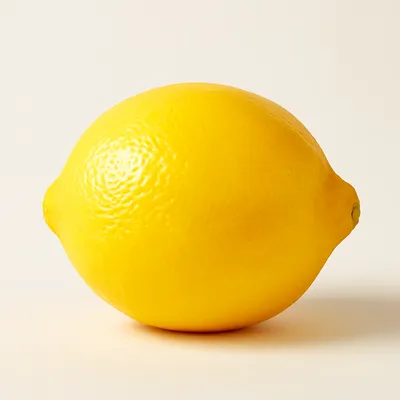
Split 4 crusty white rolls (bollos or barras de pan) horizontally, leaving a hinge. If aioli, smear a thin layer on the bottom face. Pile in 150g of fried squid per roll, squeeze a wedge of lemon over the rings, close. Eat immediately, standing at the bar.
Watch outIf you let the bocadillo sit more than 5 minutes the bread goes soggy — make to order.
Archive tool suggestions — not reviewed
These legacy suggestions have not been evidence-reviewed and are not presented as required tools.


