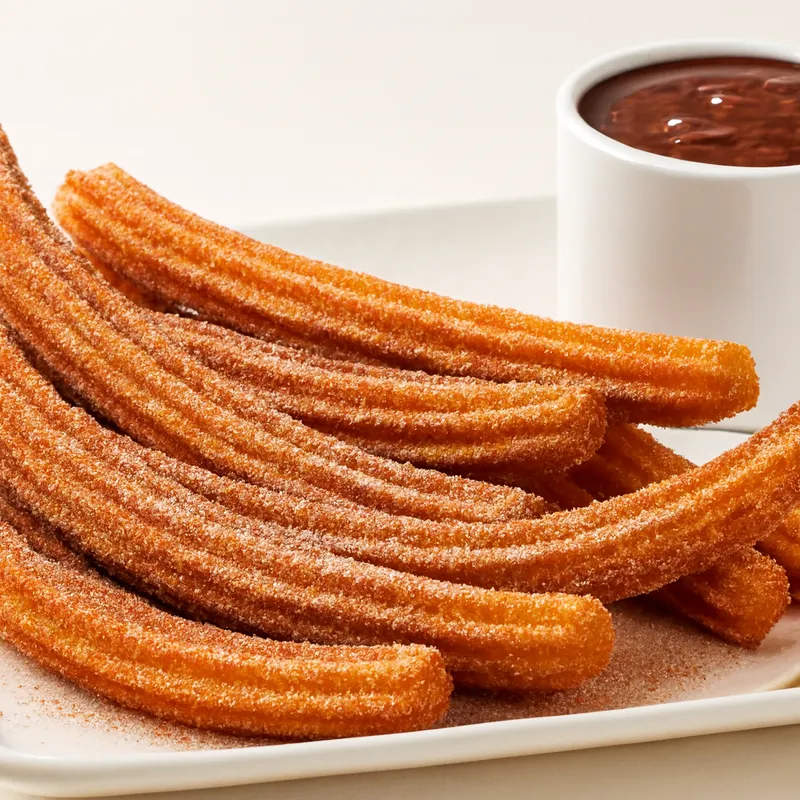
Fresh lemon tree leaves dipped in egg-flour batter, deep-fried until puffed and golden, then dusted with cinnamon-sugar — the leaf is held by the stem and the crisp shell is scraped off with the teeth.




Paparajotes are a Murcian springtime sweet — eaten especially during the Bando de la Huerta festival the Tuesday after Easter, when the city's market-garden heritage is celebrated. Lemon trees grow throughout the Murcian huerta, and using their leaves for fragrance (without eating them) is a frugal village invention: the leaf perfumes the batter the way a banana leaf perfumes rice. The dish is exclusive to Murcia and the immediate Vega Baja region.
Murcian springtime sweet eaten at the Bando de la Huerta on the Tuesday after Easter — battered lemon leaves fried as edible handles. The leaf releases citral and limonene at fryer temp, perfuming the batter; the leaf itself is not eaten (tourists who chew it get bitter cellulose). Exclusive to Murcia and the Vega Baja.
The crisp shell shatters between the teeth in a single pull, releasing a wave of warm cinnamon-sugar and a faint citrus-oil perfume from where the batter touched the leaf. Underneath, the batter is softer, almost custardy. The leaf in your hand is veined and green, untouched. Done well, the shell is paper-crisp and the lemon scent is unmistakable; under-fried they're soggy, over-fried they're bitter.
The lemon leaf does two things: provides a rigid handle to fry-and-scrape, and lends terpene aromas (citral, limonene) from the leaf surface to the batter at frying temperature. You can taste the difference between paparajotes made with lemon leaves and the same batter fried alone — the leaf-fried version has an unmistakable lemon-oil edge. Tourists who try to chew the leaf get bitter tannin and tough cellulose; the local convention is mandatory, not optional.
Variations
Murcia city stalls sell the cinnamon-sugar standard; Vega Baja del Segura villages sometimes use bitter-orange leaves; some modern bakeries serve them with lemon-thyme ice cream; the leaf-as-handle technique is unique to this dish in Spain.
On the Palate
Where Paparajotes sits in the Spanish flavor cloud
Ingredients
Serves 4

How it's made
6 steps · 25 min active + 5 min waiting
- 15 min
Pick 24 fresh lemon tree leaves — medium-sized, intact, with stems still attached. Wash gently and pat completely dry on a tea towel. Any moisture makes the batter slide off.
Watch outUse only unsprayed leaves — pesticide residue is concerning. The leaf is the wrapper, not eaten, but the batter touches it.
- 25 min
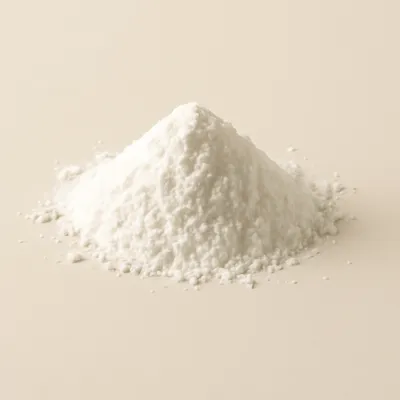
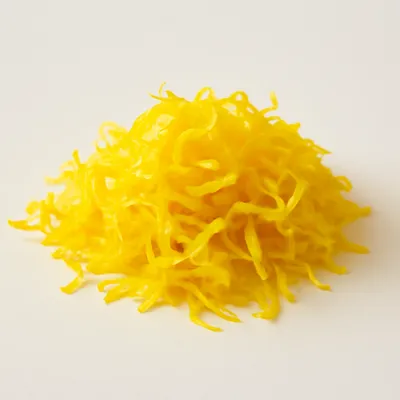
Whisk 200g flour, 2 large eggs, 250ml whole milk, 1 tbsp sugar, ½ tsp baking powder, zest of 1 lemon, and a pinch of salt into a smooth pancake batter. It should coat the back of a spoon but drip off slowly. Rest 5 minutes.
- 34 min
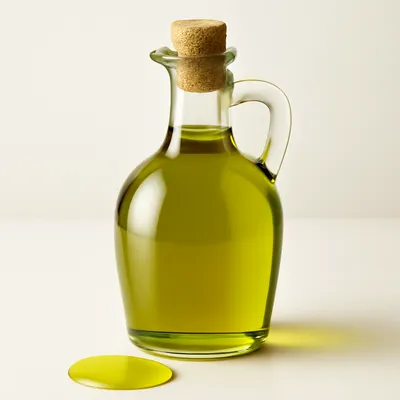
Heat 4cm of mild olive oil or sunflower oil in a deep pan to 175°C (test: a drop of batter sizzles immediately and rises in 3 seconds).
Watch outBelow 165°C the leaves go greasy; above 185°C they brown before puffing through.
- 412 min
Holding a leaf by its stem, dip it into the batter to coat both sides — let excess drip back into the bowl. Lower into the oil. Fry 2-3 leaves at a time for ~90 seconds, flipping once. The shell puffs and turns golden-brown.
Watch outDon't crowd the pan — oil temp drops, batter goes flat. 2-3 leaves per batch in a small pan.
- 52 min
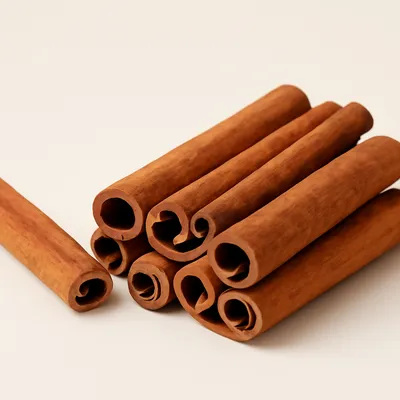
Lift onto a paper-lined tray to drain 30 seconds. While still hot, dust generously with a mix of 50g sugar + 1 tsp ground cinnamon. Stack on a plate. Serve immediately — best while crisp.
- 61 min
To eat: hold the stem, place the leaf between your teeth, and scrape the crisp batter shell off with a downward pull. Discard the leaf — it's there for the lemon-oil aroma it lends to the batter, not to chew.
Watch outFirst-time eaters who try to chew the leaf get a tough, bitter mouthful — the leaf is a delivery vehicle, not food.
Archive tool suggestions — not reviewed
These legacy suggestions have not been evidence-reviewed and are not presented as required tools.