A traditional Spanish dessert whose name means fried milk. Milk is cooked with sugar and cornflour into a thick custard, flavoured with cinnamon and lemon, then spread out and chilled until firm enough to cut. The set squares are coated in flour and egg, fried until golden and crisp, and dusted with cinnamon sugar while warm. The contrast is the point: a crunchy shell around a soft, creamy centre. It is served warm or at room temperature.


Leche frita is rooted in northern Spain, and is most often credited to the province of Palencia in Castile and León, though Valladolid, the wider Castilian plain, and the Basque Country all claim it too; the exact origin is uncertain. It is associated with the convent kitchens that turned plentiful milk, eggs, and sugar into sweets, and with Lent and Easter, when fried sweets are traditional. The principle of frying a set custard is shared with other old Spanish convent desserts. Today it is made across the country and sold in bakeries year-round.
Hot from the pan, the shell is thin, crisp, and lightly browned, giving way to a centre that is soft, wobbly, and pudding-like. The flavour is gentle milk and sugar, warmed by cinnamon and brightened by lemon. The cinnamon-sugar dusting adds a fragrant, slightly grainy sweetness on the outside. It is richest eaten warm, when the centre is loose and creamy; cooled, the inside firms but stays tender. Not too sweet, with the dairy carrying the dessert.
The custard sets because cornflour starch granules swell and gelatinise as the milk is heated and stirred, thickening it into a paste that turns firm and sliceable once chilled. That firm set is what lets the squares survive frying without collapsing. The flour-and-egg coating crisps and browns in the hot oil through the Maillard reaction, forming a dry shell that seals in the soft interior, while the brief, hot fry keeps the centre from melting out. The cinnamon sugar goes on warm so it clings to the surface.
Variations
Some cooks thicken with flour instead of cornflour for a denser bite, or enrich the custard with egg yolks; many infuse the milk with lemon or orange peel and a cinnamon stick. It can be finished with a dusting of cinnamon sugar, a drizzle of honey, or a splash of anise. The dish sits within a family of fried Spanish sweets eaten around Lent, alongside torrijas, the milk-soaked fried bread, and various buñuelos.
On the Palate
Where Leche Frita sits in the Spanish flavor cloud
Ingredients
Serves 6

How it's made
6 steps · 40 min
- 110 min
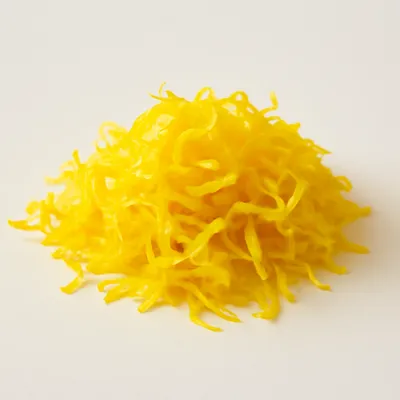
Infuse the milk with lemon peel and a cinnamon stick, reserving a little cold milk for the cornflour.
- 215 min
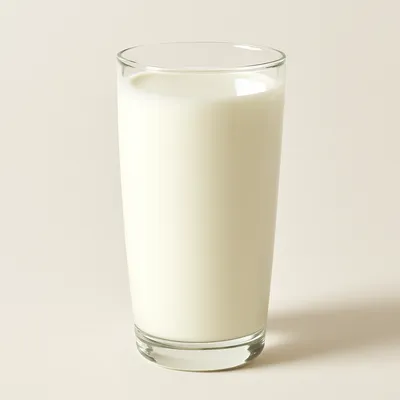
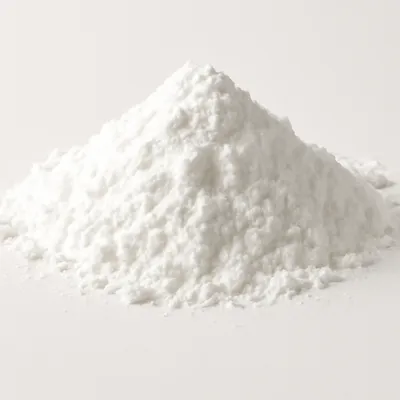
Whisk sugar and cornflour into the cold milk, then stir into the hot infused milk and cook until very thick.
Watch outCook the custard until very thick — only a firm-set base survives frying without collapsing out of its shell.
- 360 min
Spread the custard into a flat tray to about two centimetres deep and chill until firm.
- 410 min
Cut the set custard into squares, then coat each in flour and beaten egg.
- 58 min
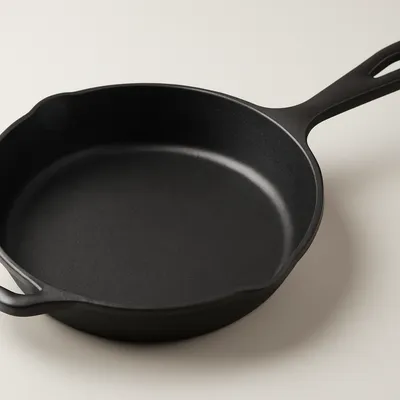
Fry the squares in hot oil until golden and crisp on all sides, then drain.
Watch outFry hot and fast to golden and crisp — a brief, hot fry sets the shell before the soft center can melt out.
- 63 min
Toss the warm squares in cinnamon sugar and serve.
Watch outToss in cinnamon sugar while still warm — the surface has to be hot for the sugar to cling.
Archive tool suggestions — not reviewed
These legacy suggestions have not been evidence-reviewed and are not presented as required tools.