Pig's trotters simmered for three hours in aromatic broth with vinegar until all the collagen melts and the flesh turns silken, then boned, coated in beaten egg and cornmeal, and fried in foaming butter until golden and crackling outside, served with bagnet verd.




Batsoa is an ancient dish of Canavese origin, documented in 19th-century Piedmontese culinary records and recognized today as a Traditional Agri-Food Product by the Italian Ministry of Agriculture. Its name comes from the Piedmontese rendering of the French 'bas de soie' — silk stockings — an ironic metaphor likening the gleaming, taut skin of a fried trotter to the leg-coverings of 18th-century women; the French etymology signals the pervasive cultural influence of France on Piedmont under the Savoy dynasty. The dish belongs to the tradition of the fritto misto alla piemontese, a grand Carnival or festive platter assembling both sweet and savoury fried items — semolina squares, apple fritters, sweetbreads, brain and amaretti — on a single platter. Within that tradition batsoa represents the peasant kitchen transforming the cheapest cut of the pig into a Carnival delicacy. It is still served at the Festival delle Sagre in Asti.
A crackling cornmeal shell breaks to a thick, trembling layer of set gelatin and then to shredded, yielding meat within; the fatty richness is cut by the herbaceous sharpness of bagnet verd, making each bite a balance of texture and acidity.
The three-hour simmer at 80–85 °C converts the dense collagen in trotters to gelatin: triple-helix collagen strands unwind at sustained temperatures above 70 °C, then re-form on cooling into a silky, quivering gel. Vinegar in the poaching liquid acidifies the broth, partially hydrolysing peptide bonds in collagen and accelerating gelatinization. On deep-frying in butter, the Maillard reaction (above 140 °C) rapidly browns the cornmeal crust, while the gelatin layer beneath insulates the meat and re-melts, keeping the interior soft and quivering even as the exterior crisps.
Variations
Some versions use fine breadcrumbs instead of cornmeal for a lighter crust; a Langhe variant adds rosemary and juniper to the poaching broth. Frequently included in the fritto misto piemontese alongside semolina squares, apple fritters and sweetbreads. Can be served with bagnet ross (red pepper sauce) as an alternative.
On the Palate
Where Batsoa sits in the Italian flavor cloud
Ingredients
Serves 4

How it's made
7 steps · 30 min
- 115 min
Singe and scrape 4 pig's trotters under a flame to remove bristles; rinse thoroughly under cold running water.
- 2180 min
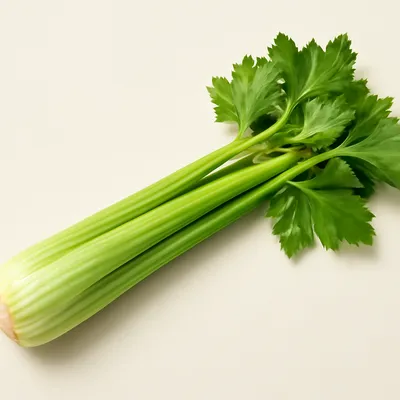
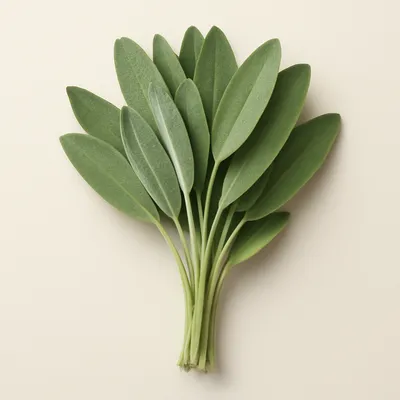
Place trotters in a large pot with cold water, 100 ml white wine vinegar, carrot, celery, onion, peppercorns, bay leaves and sage. Bring to a gentle simmer and cook for 2.5–3 hours until meat pulls from the bone and skin is translucent and tender.
Watch outSimmer the trotters two and a half to three hours until the meat pulls from the bone and the skin turns translucent — only the long cook melts the collagen to that silky gel.
- 330 min
Lift trotters from broth; cool until handleable, about 30 minutes. Carefully remove all bones, keeping skin and meat intact; cut or press into flat 3–4 cm pieces.
- 45 min
Beat 2 eggs with a pinch of salt and pepper in a shallow bowl. Spread 150 g fine cornmeal on a flat plate.
- 55 min
Dip each trotter piece in beaten egg, then press firmly into cornmeal to coat all sides evenly.
- 620 min
Heat abundant butter in a heavy pan over medium-high heat until foaming. Fry the trotters in batches, 4–5 minutes per side, until deep golden and crisp all over.
Watch outFry in foaming butter until deep golden and crisp all over — the gel layer beneath re-melts and keeps the inside quivering-soft while the cornmeal crust shatters.
- 75 min
Drain on a wire rack; season immediately with fine salt. Serve hot with bagnet verd alongside.


