Pavia's humble one-bowl soup: slices of oven-toasted country bread sit in a deep bowl, a raw egg and grated Parmigiano-Reggiano are placed on top, and boiling meat broth is poured over in a steady stream to just set the egg white while leaving the yolk runny.



Zuppa alla pavese is bound to the Battle of Pavia on February 24, 1525, when French king Francis I was defeated by the army of Holy Roman Emperor Charles V. According to the legend preserved in local sources, an exhausted Francis I sought refuge at a farmhouse between Pavia and Borgarello; the farm woman, with nothing to offer but stale bread, eggs, and whatever broth was in the pot—an early account records borage broth—improvised the dish on the spot. The king was reputedly so restored by it that he ordered his cooks to replicate it in France as 'soupe à la pavoise.' The battle itself is firmly historical; the farmhouse improvisation is tradition. In May 2015, zuppa alla pavese was officially added to Lombardy's list of Traditional Agrifood Products.
Limpid, deeply savory broth floating softened golden bread; the semi-set yolk breaks at the table into a creamy stream that enriches every spoonful; Parmigiano's crystalline sharpness dissolves through. Restorative and complete.
Boiling broth enters the bowl at approximately 90–95°C. Egg-white ovalbumin denatures and coagulates between 60 and 65°C, setting almost immediately on contact. Yolk lipoproteins denature at a slightly higher threshold (~70°C), so the yolk surface firms while the interior stays fluid—the soft-set achieved by a single pour without prolonged exposure. Toasted bread, dehydrated by oven heat, reabsorbs broth rapidly at the surface while the interior retains partial structure, creating a gradient from fully saturated outer layers to a still-firm core. Parmigiano's glutamate salts dissolve into the broth, amplifying perceived savoriness.
Variations
The original recipe used borage herb broth; modern recipes universally use beef or chicken bone broth. Some cooks brush the bread with butter before toasting. A double-egg version doubles the richness. Vegetarian adaptations substitute a rich vegetable broth. In France, a cognate 'soupe à la pavoise' survived as a regional preparation.
On the Palate
Where Zuppa alla pavese sits in the Italian flavor cloud
Ingredients
Serves 2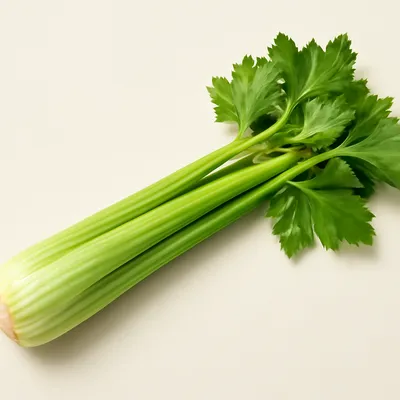

How it's made
6 steps · 10 min
- 145 min
Combine beef or chicken bones with a halved onion, carrot, celery stalk, and cold water in a large pot; bring to a boil, skim, then simmer gently for 45 minutes to yield a clear, flavorful broth. Season with salt.
- 210 min
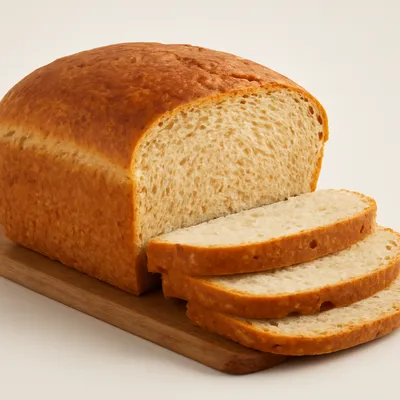
Slice country bread into 1.5 cm thick slices; toast in a 200°C oven or under the broiler until deeply golden and crisp on both sides.
Watch outToast the bread deep gold and crisp on both sides — a pale, soft slice turns to mush the second the broth hits it; it needs that dry, hard crust to hold up.
- 35 min
Strain the broth and bring to a full rolling boil just before serving.
- 41 min
Place 2–3 slices of toasted bread in the bottom of each deep, heatproof bowl.
- 52 min
Crack one fresh egg carefully onto the bread in each bowl, keeping the yolk intact; grate a generous amount of Parmigiano-Reggiano over the top.
- 62 min
Ladle very hot broth over the egg in one continuous, steady pour to just set the egg white while leaving the yolk runny; serve immediately.
Watch outPour the boiling broth over the egg in one steady stream — it sets the white on contact while leaving the yolk runny; dribble it slowly and the yolk hardens or the white stays raw.
Archive tool suggestions — not reviewed
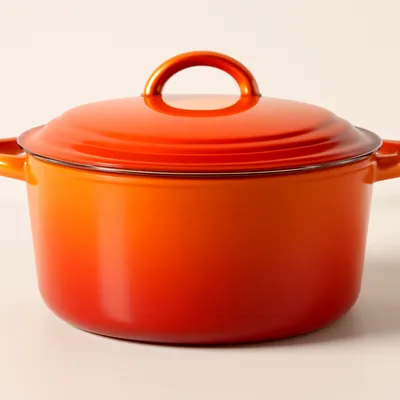
These legacy suggestions have not been evidence-reviewed and are not presented as required tools.