
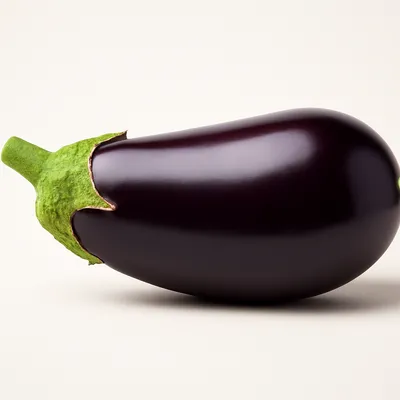
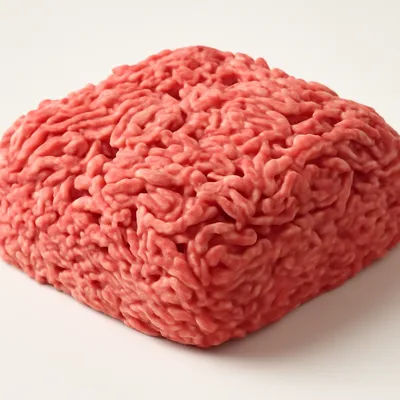
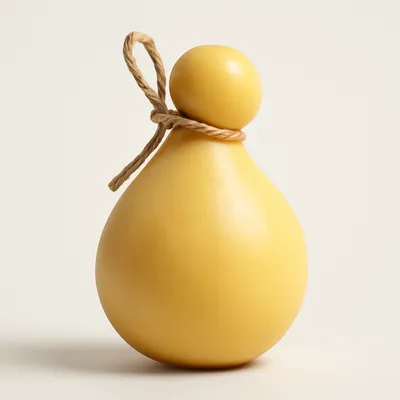
A baked pasta from the Messina area in the northeast of Sicily. Short pasta — maccheroni, or little rings (anelletti) — is dressed with a beef ragù and combined with fried eggplant, sliced caciocavallo and grated pecorino siciliano, sliced hard-boiled egg and salami, then baked in the oven, often pressed into a buttered, breadcrumb-lined dish or mould, until the cheese melts to bind the mass and the surface browns into a crust. Richer family versions add small meatballs, mortadella, peas or soppressata; Messina cooks build it with a meat ragù, while Palermo makes its version with a plain tomato sauce. It is served hot as a substantial main, above all for Sundays and feast days, sometimes turned out of the mould and cut into wedges at the table. The dish is widely known beyond Sicily as one of the favourite meals of the fictional detective Salvo Montalbano.



A documented dish of Messina, in the northeast of Sicily, where it is traditionally a celebratory baked pasta; close versions are now made across Sicily and into Calabria. The name comes from the Sicilian dialect and its origin is debated, the spelling itself wavering between «'ncasciata» and «'ncaciata»: one common account ties it to «cascia» (a case or cooking vessel) and to the old custom of baking the pasta in a covered terracotta pot set among hot embers; another derives it from «caciu» (cheese, standard Italian «cacio»), for the cheese worked through it, which would favour the «'ncaciata» form; a further suggestion traces it to the French «en caisse», «in a case». No single derivation is settled. The dish was carried to a wide audience by the Sicilian writer Andrea Camilleri, in whose Commissario Montalbano novels — begun in the 1990s and widely translated and televised — pasta 'ncasciata is named as one of detective Salvo Montalbano's favourite dishes, cooked for him by his housekeeper Adelina.
The top comes first: a browned, faintly crisp crust of pasta and cheese, giving way underneath to a soft, dense mass where the strands are bound by melted caciocavallo. Through it run the meaty depth of the ragù, the silky sweetness of fried eggplant collapsing against the pasta, salty hits of salami and grated pecorino, and the mild richness of sliced hard-boiled egg. It eats hot and substantial, savoury and layered rather than saucy. A good 'ncasciata holds together when cut, the slice standing up with its eggplant and cheese in place; a poor one weeps oil and water from under-fried or under-salted eggplant and slumps into a wet heap, or comes out dry and stodgy if there is too little ragù and cheese to bind it.
Eggplant is salted and fried before it ever meets the pasta, and both steps matter. Salting draws out moisture by osmosis and collapses the sponge-like flesh, so it absorbs less oil and cannot later weep water into the dish; frying at around 170 to 180°C drives off that moisture, browns the surface and sets the slices, so they stay distinct rather than dissolving into sludge. The ragù is built on a soffritto and simmered long and gently so the meat softens and the sauce thickens and deepens. In the oven at about 180°C the grated and sliced cheese melts and, with the starch released by the pasta, sets into the binder that holds the mass together, while the exposed top dries and Maillard-browns into a crust. A rest of around 10 minutes after baking lets that molten structure firm as the cheese cools, so the pasta can be cut — or turned out of its mould — in slices that hold rather than sliding apart.
Variations
The clearest divide is regional: Messina builds the dish on a meat ragù, while Palermo's «pasta 'ncasciata» is dressed with a plain tomato sauce. The pasta shape varies between maccheroni and the little rings called anelletti. Richer feast-day renderings load it with small meatballs, mortadella or soppressata, peas and extra hard-boiled egg, where leaner home versions keep to ragù, eggplant, cheese and salami. It belongs to the broad Sicilian and southern tradition of baked pasta and is a close cousin of the Sicilian anelletti al forno and of timballo-style moulded baked pastas more generally; a related dish under the same name is also made across the strait in Calabria.
On the Palate
Where Pasta 'ncasciata sits in the Italian flavor cloud
Ingredients
Serves 6


How it's made
7 steps · 1 hour 30 min active + 30 min waiting
- 140 min
Slice the eggplant, salt it and leave it to drain for about 30 minutes, then pat dry and fry in hot oil at around 170 to 180°C until golden; set aside on paper.
Watch outSalt the eggplant to drain, then fry until golden — the salting collapses the sponge so it soaks less oil and won't later weep water into the bake.
- 260 min
Make a beef ragù: soften onion in a soffritto, brown the ground beef, deglaze with white wine, then add tomato passata and basil and simmer long and gently until thick.
- 312 min
Boil the pasta in salted water until very al dente — a little underdone, as it will finish baking — then drain and dress with most of the ragù.
Watch outBoil the pasta very al dente, a touch underdone — it finishes cooking in the oven, so fully-cooked now means mush after baking.
- 44 min
Butter an oven dish or mould and coat it all over with breadcrumbs.
- 510 min
Layer in the dressed pasta with the fried eggplant, sliced caciocavallo, grated pecorino, sliced hard-boiled egg and salami, finishing with a little ragù and cheese on top.
- 635 min
Bake at about 180°C until the cheese is melted and the top is browned and crusted, roughly 30 to 40 minutes.
Watch outBake until the cheese melts and the top browns and crusts — that golden crust is the signature; pull it pale and it eats loose and wet.
- 712 min
Rest for about 10 minutes so the structure sets, then cut into portions — or turn out of the mould and slice into wedges — and serve hot.
Archive tool suggestions — not reviewed
These legacy suggestions have not been evidence-reviewed and are not presented as required tools.


