
A baked layered soup from Treviso, in the Veneto. Pigeon is browned and braised in an aromatic broth, then the meat is taken off the bone and layered in a deep dish with slices of stale country bread, the layers moistened with the rich pigeon broth and, in many versions, sprinkled with grated cheese. The dish is then baked slowly in a low oven for a couple of hours — historically far longer — until the bread drinks up the broth and the top sets golden. It is served with extra hot broth ladled over, somewhere between a soup and a savoury bread pudding.



Supa coada is a traditional dish of the Treviso kitchen, in the Veneto. Its name in the local dialect is read as zuppa covata — «brooded soup» — from the very long, slow, covered baking, likened to a hen brooding her eggs (a reading made all the more apt by the pigeon at its heart); some instead take coada to mean «hidden», for the meat tucked away under its layers of bread. The dish's exact origin is unrecorded, and the first written references appear only after the unification of Italy in 1861, in lists of dishes served in Treviso's osterie; it is traditionally regarded as a more affluent table's dish, built as it is on game and good broth.
Not a clear soup but a soft, savoury mass: the bread has dissolved into a silky, almost custard-like body, deeply soaked with pigeon broth and threaded with shreds of dark, tender game meat. The top layer, baked dry, sets into a golden, faintly crisp crust that contrasts with the soft, broth-heavy interior beneath. The flavour is rich and meaty, with the slightly liverish, gamey depth of pigeon and the roundness of long-simmered broth. Served with more hot broth poured over, it is spoonable and comforting; a good one is silky and golden-topped, a poor one either dry and bready or a wet, shapeless sop.
The dish is the slow marriage of dry bread and rich broth under prolonged, gentle heat. Stale bread is firm enough to hold its layers and to absorb a great deal of liquid without immediately collapsing; over a long, low bake the bread's starch swells and gelatinises as it drinks the broth, binding the layers into a soft, set body while the exposed top dries and lightly browns. Long simmering of the pigeon and its bones extracts gelatin and savoury, meaty compounds into the broth, giving it body and a deep flavour that the bread then carries throughout. The very long, covered cooking — the «brooding» — is what lets the flavours meld and the texture turn silky rather than soggy or dry.
Variations
Recipes vary in how rich they make it and whether cheese goes between the layers — many Treviso versions sprinkle grated Grana between the bread, while older and plainer renderings keep to just bread, meat and broth. Some cooks enrich the braise with the pigeon livers, a splash of wine, or a little butter; the bread may be lightly toasted or rubbed with garlic first. The baking time ranges from a couple of hours in a modern oven to the four or five hours of the old wood-fired tradition. Beyond the classic pigeon, hard-up or modern kitchens have used other poultry, but pigeon is the defining and traditional bird.
On the Palate
Where Supa Coada sits in the Italian flavor cloud
Ingredients
Serves 6

How it's made
8 steps · 1 hour
- 190 min
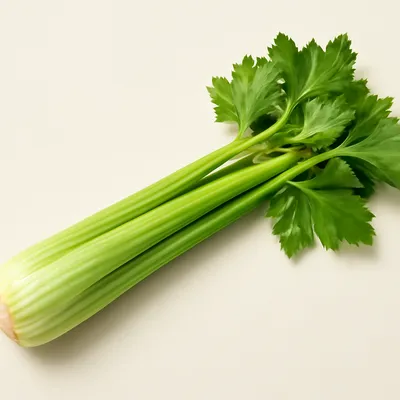
Make an aromatic broth by simmering a soffritto of onion, carrot and celery with the pigeon carcasses or extra wings and bones until rich; strain and keep hot.
- 260 min
Brown the pigeons all over in butter and oil, then braise them gently in some of the broth with the aromatics until the meat is tender.
- 320 min
Lift out the pigeons, take all the meat off the bone, and shred or chop it; return the bones to the broth for more flavour, then strain again.
- 410 min
Slice stale country bread and toast it lightly until dry.
Watch outToast the stale bread lightly until dry — dry bread holds its layers and drinks the broth slowly; soft bread collapses to mush the moment the soup hits it.
- 515 min
Layer the dish: bread on the bottom, then pigeon meat, a sprinkle of grated cheese and a ladle of hot broth, repeating and finishing with bread and cheese on top.
- 620 min
Pour in enough hot broth to soak the layers well without flooding them, and let it stand so the bread drinks it up.
Watch outPour in just enough hot broth to soak the layers without flooding them, and let it stand so the bread drinks it in before baking.
- 7120 min
Bake in a low oven, around 150°C, for about two hours until the top is golden and set and the inside is soft.
Watch outBake low and slow, around 150 degrees for about two hours, until the top is golden and set and the inside is soft — the long gentle bake binds the layers into one body.
- 83 min
Serve in bowls with more hot pigeon broth ladled over each portion.
Archive tool suggestions — not reviewed
These legacy suggestions have not been evidence-reviewed and are not presented as required tools.


