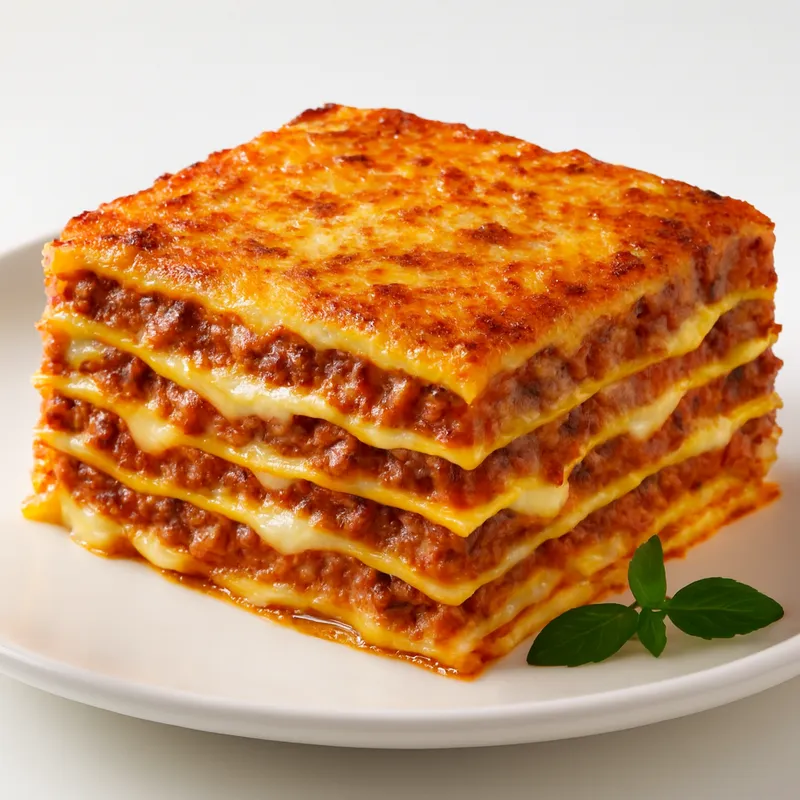
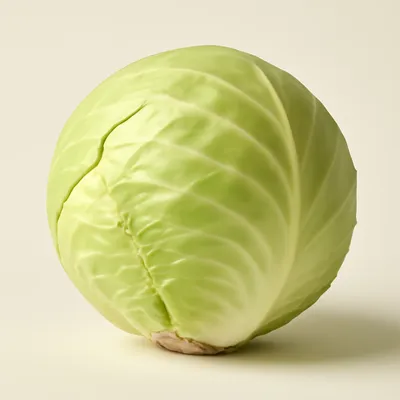
A hearty winter stew of Lombardy, closely tied to Milan and the lakeside towns of Como and Brianza. It is built from the humbler cuts of the pig — ribs, rind, trotter, ear, snout and tail — cooked long and slow with fresh verzini sausages and a great quantity of Savoy cabbage, with onion, celery, carrot and a little wine and tomato. The pork is browned, then stewed until the cabbage collapses into the gelatinous, fatty meat. It is served very hot as a single main course, traditionally with polenta.


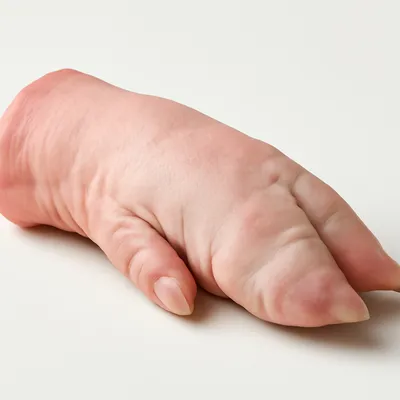


A peasant dish born of the winter pig slaughter, when the perishable, lesser cuts had to be used up at once. Its season and meaning are tied to the feast of Sant'Antonio Abate on 17 January, the day that traditionally closed the slaughtering period — the saint long associated with pigs and pork fat. The first clear written references to cassoeula by name appear around the early 20th century, though a related Catalan-Aragonese dish, cassola de carn, is recorded as far back as the cookbook of Ruperto de Nola in the early 16th century, which has fed a popular tale that the dish arrived during Spanish rule of Milan; this Spanish-soldier origin is a legend rather than documented fact. The name most likely comes from the local word for the pot or stirring spoon — cazzuola / casseruola.
Rich, sticky and unctuous — the long-cooked rind and trotter dissolve into gelatin that coats the lips, and the meat falls off the rib bones. The Savoy cabbage, cooked down for an hour or more, turns silky and sweet, soaking up the pork fat. The verzini add a peppery, meaty bite. It is deeply savoury and frankly fatty; a good cassoeula is balanced by the cabbage and a thread of wine acidity, while a poor one feels only greasy.
The dish works on collagen: the rind, trotter and ear are dense with connective tissue that, held at a low simmer for two to three hours, breaks down into gelatin — the source of the glossy, lip-sticking body of the sauce. Browning the pork first builds Maillard flavour before the long wet cook. The Savoy cabbage is added in stages and cooked down until its fibres soften and it drinks up the rendered fat; its sweetness and the wine's acidity offset the richness. A long, gentle cook, never a hard boil, keeps the meat tender and the fat emulsified rather than split.
Variations
Cassoeula varies sharply by town. In Como, trotters and chopped vegetables are skipped and the dish is moistened with white wine; in Milan the head is used; in Brianza the vegetables are finely cut and it is served with polenta; around Bergamo it is made drier; in Pavia only the ribs go in; and in the Novara area, just over the Piedmont border, goose is sometimes added. The verzini and the Savoy cabbage are the near-universal constants.
On the Palate
Where Cassoeula sits in the Italian flavor cloud
Ingredients
Serves 6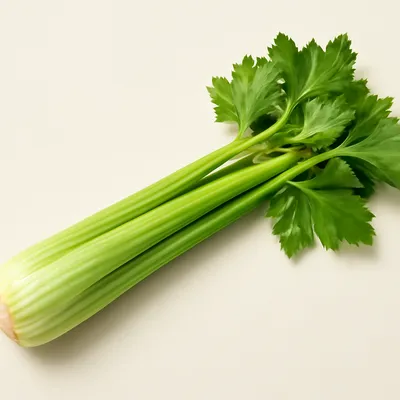


How it's made
7 steps · 1 hour active + 2 hours waiting
- 120 min
Clean and parboil the rind, trotter, ear and other tough cuts to soften them and remove excess fat, then drain.
Watch outParboil the rind, trotter and ear first to soften them and shed excess fat — skip it and they stay tough and the stew turns greasy.
- 212 min
Brown the ribs and the parboiled cuts in a heavy pot until coloured, and separately brown the verzini sausages.
- 38 min
Soften a soffritto of onion, celery and carrot, return the pork, add a splash of wine and let it reduce.
- 4120 min
Add a little tomato and enough water or broth to half-cover, then simmer gently, covered, for about two hours until the tough cuts turn tender and gelatinous.
Watch outKeep it at a gentle simmer, never a hard boil, about two hours until the tough cuts turn tender and gelatinous — that low heat is what melts the collagen and keeps the fat from splitting.
- 510 min
Add the verzini and the cleaned, chopped Savoy cabbage in batches as it wilts down.
- 660 min
Continue cooking uncovered for about an hour, stirring, until the cabbage is silky and the sauce is thick and glossy.
Watch outCook it down uncovered until the cabbage is silky and the sauce is thick and glossy — a thin, watery cassoeula hasn't reduced enough.
- 75 min
Season, skim excess fat if needed, and serve very hot, traditionally with polenta.
Archive tool suggestions — not reviewed
These legacy suggestions have not been evidence-reviewed and are not presented as required tools.