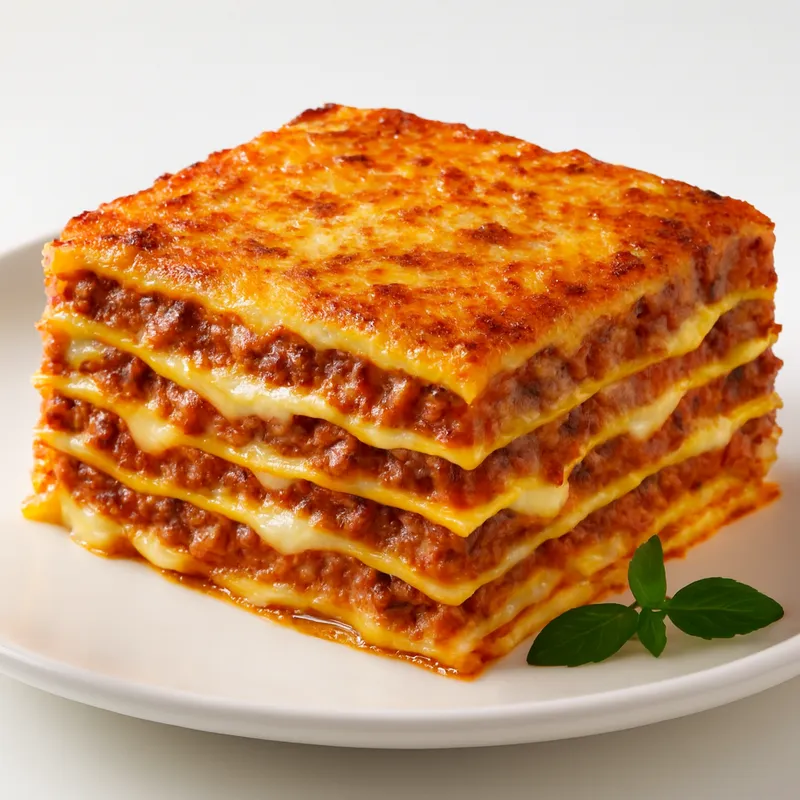
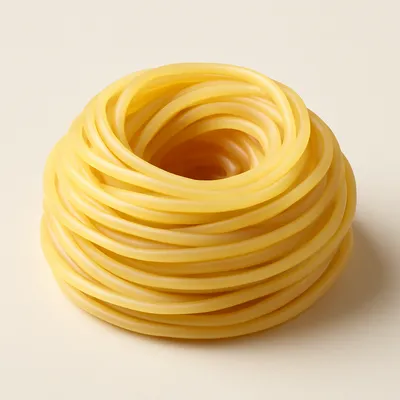



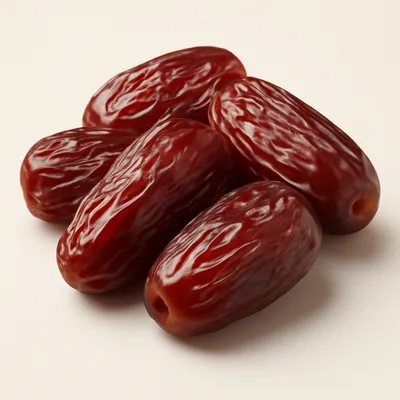
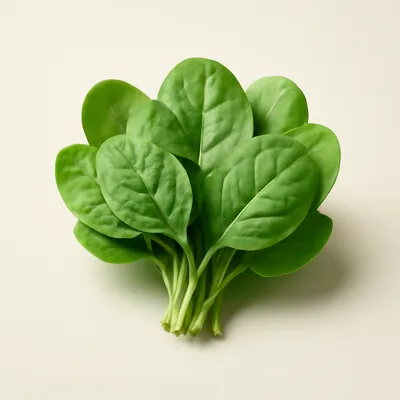
The green-pasta lasagne recipe was deposited with the Bologna chamber of commerce in 2003 (proclaimed May 28, deposited July 4 at the Palazzo della Mercanzia) by the Italian Academy of Cuisine's Bologna San Luca delegation. The 1982 notarized deposit was the ragù bolognese, not the lasagne. The dish itself is older: layered pasta dates to medieval Bologna, but the spinach pasta and béchamel layering became Bolognese standard in the early 20th century. The pasta is green, not yellow — this is non-negotiable in Bologna.
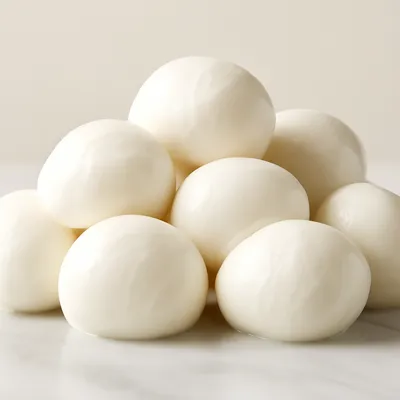
Codified by the Bologna chamber of commerce in 1982 — recipe deposited with notary Paolo Cassoli. Pasta is green spinach, never yellow; ragù is equal beef and pork, white wine (not red), and a little milk near the end to bind fat into emulsion. No mozzarella anywhere.
A square of green spinach pasta — eight to ten layers — with thin slicks of slow-cooked ragù and white béchamel between each, baked until the top edges curl and brown. No mozzarella anywhere. Sliced cleanly with a knife; if it slides apart into a wet pile, there's too much sauce per layer. The proper version is structural — a slice holds its shape on the fork.
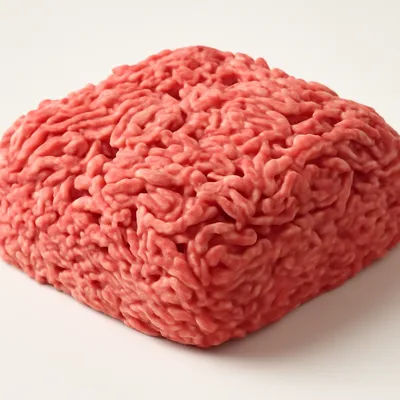
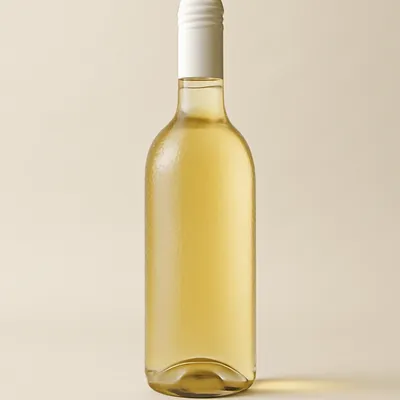
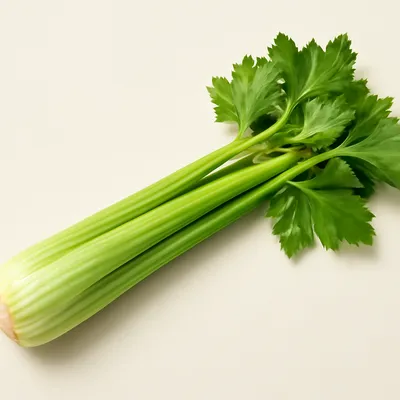
The ragù is the load-bearing element: primarily coarsely ground beef with pork pancetta, cooked several hours with a base of that pancetta, mirepoix, white wine (not red — Bologna tradition), tomato paste, and a small amount of milk near the end. Milk's casein binds the meat fat into emulsion and softens acidity. Béchamel is thinner than French — it's a moisture buffer between dry meat layers, not a featured cream.
Variations
Bologna's 1982-notarized version is green-pasta + bechamel + ragù; Naples lasagna runs yellow pasta with ricotta and tiny meatballs; Marche's lasagna vincisgrassi adds chicken livers and giblets — older than the Bolognese.
On the Palate
Where Lasagne alla Bolognese sits in the Italian flavor cloud
Ingredients







How it's made
4 steps · 4 hours
- 130 min
Prepare ragù bolognese by cooking beef, pork, and pancetta with vegetables and wine.
Watch outCook the ragù low for hours until the fat and meat pull together glossy and the liquid barely bubbles — a hard boil toughens the meat instead of melting it soft.
- 230 min
Make béchamel sauce with butter, flour, and milk, adding nutmeg for flavor.
Watch outCook the béchamel to a pourable, ribbon-loose consistency, not a stiff paste — here it's a thin moisture buffer between the dry layers, so keep it slack.
- 330 min
Layer pasta sheets with ragù, béchamel, and Parmigiano in a baking dish.
- 4150 min
Bake until the top is golden and the layers are cooked through.
Watch outBake until the top is deep golden and the edges bubble and crisp — those bubbling corners mean the layers are hot through, not just the surface browned.
Archive tool suggestions — not reviewed
These legacy suggestions have not been evidence-reviewed and are not presented as required tools.