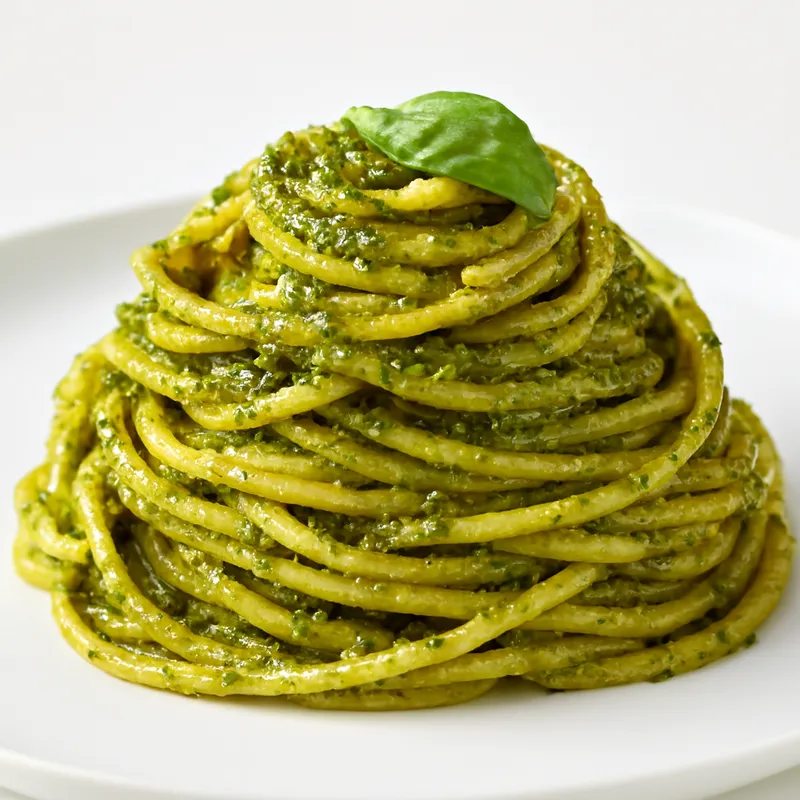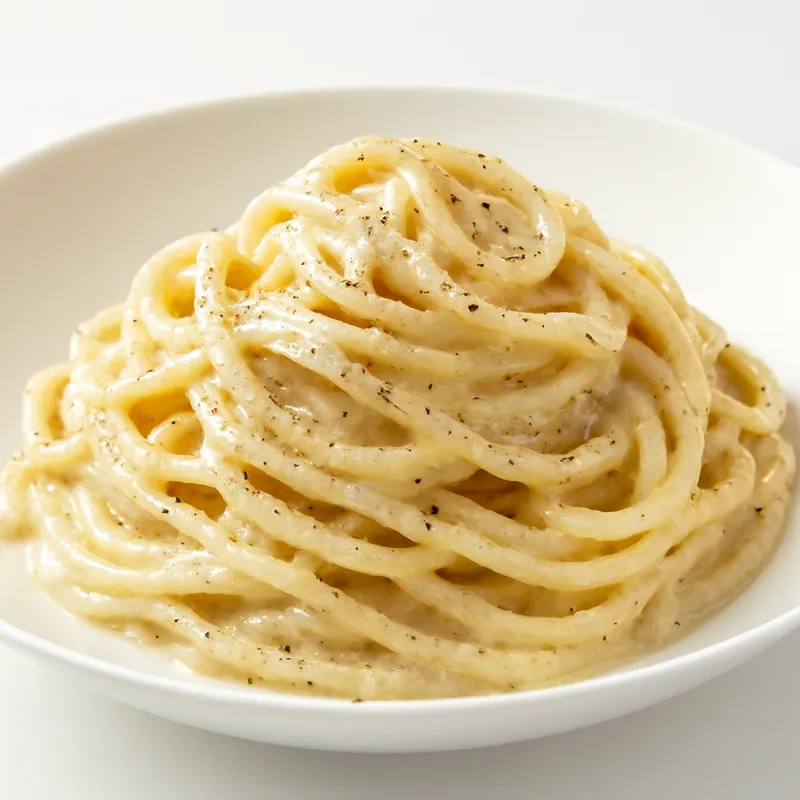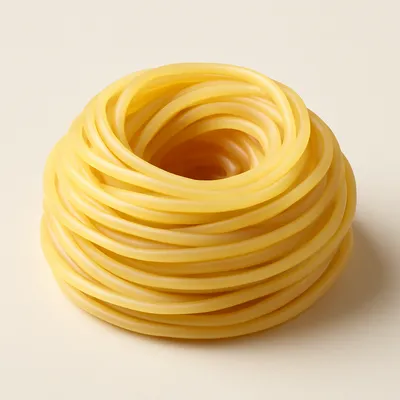
Silky and versatile, pasta serves as a blank canvas for flavors, with its satisfying texture and ability to absorb sauces. From delicate strands to hearty shapes, it embodies culinary traditions from Italy and beyond.
Where it comes from
With roots tracing back to ancient civilizations, pasta has become an iconic element of Italian cuisine, evolving into numerous forms and styles across the globe.
In the kitchen
Served in countless ways, it acts as the foundation for sauces, meats, and vegetables, shining in both simple and elaborate dishes.
Across cuisines
Italian pasta is traditionally made from durum wheat semolina, which gives it a firm texture and ability to hold shape. This quality is especially important in dishes like Carbonara and Cacio e Pepe, where the pasta needs to maintain its integrity while being coated with rich sauces. The use of durum wheat is a defining feature of Italian pasta, distinguishing it from other types.
In Greek cuisine, pasta is often layered with béchamel sauce as seen in Pastitsio. The pasta, typically tubular like penne or bucatini, forms the base layer, topped with a meat sauce and finished with a thick layer of creamy béchamel. This technique creates a distinctively rich and hearty dish.
Pasta — fresh egg sheets rolled, filled, and baked into nidi di rondine ('swallows' nests'), the Sammarinese Sunday pasta. Source: Wikipedia (Sammarinese cuisine).
Nutrition (per 100g)
AI-estimated; model and run unavailable.
Pairs well with