

Cairo street food that took shape over the 19th century; widely held to be an assembly of borrowed parts, though its exact lineage remains contested. The earliest known reference comes from explorer Richard Burton, who in 1853 recorded koshary as the breakfast of the people of Suez — placing the dish before most of the migration stories told about it. Rice with lentils was the long-standing Levantine and Egyptian mujaddara base. The pasta is usually credited to the Italian community that settled in Egypt in the 19th century, many of them workers on the Suez Canal — though 'macarona' is itself a modern Italian loanword. Note that medieval Arab and Egyptian kitchens did know a dried pasta, called itriyya (recorded in the 14th-century Cairene cookbook Kanz al-Fawa'id), but that is a separate strand from the macaroni in the modern bowl. Tomato, a New World crop, reached Egypt through Ottoman-era Mediterranean trade. The dish's name and its layered-bowl format are often traced to khichri (also khichdi), the rice-and-lentil dish associated with Indian troops in Egypt around the First World War — but because koshary is already documented in 1853, that line cannot be its origin, and many food historians dismiss it, reading koshari simply as an evolution of local mujaddara. By the early 20th century it had risen from a laborer's meal to a national symbol.
Cairo's late-19th-century street stack — Levantine mujadara base, Italian pasta from the 1860s Alexandria community, Suez-era Indian kichari format. The salsa needs vinegar, not just tomato; without the acid three starches sit like wet bread.
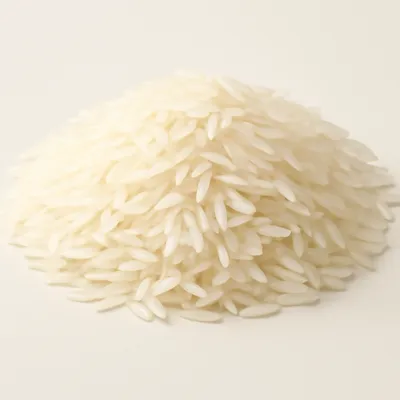
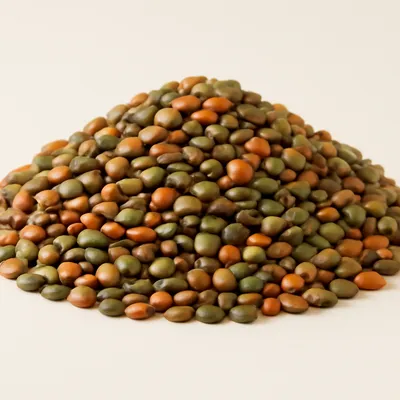
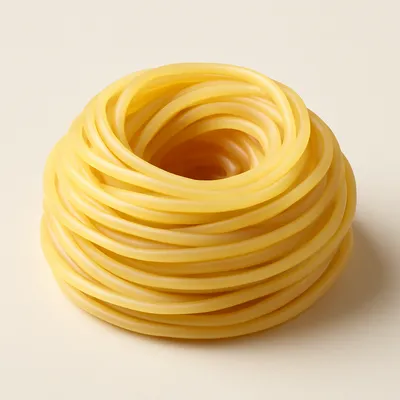
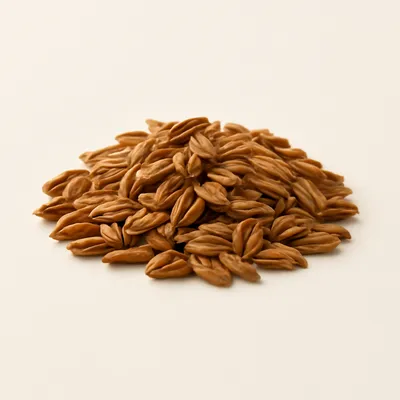
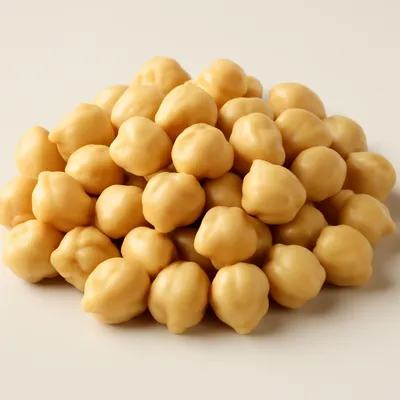
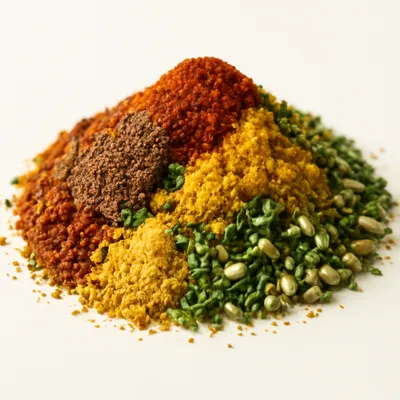
A bowl built in layers: rice at the bottom, then brown lentils, then short pasta (macaroni and small tubes), topped with chickpeas, a ladle of garlic-vinegar tomato sauce called salsa, and a heap of crisp fried onions. A second sauce, daqqa — chili, garlic, vinegar — is added at the table. Stir hard before eating; the layers must collapse into one. The crunchy onions are the spine of the dish.
Each starch is cooked separately and combined cold, then reheated to order — they cannot be cooked together because each has a different time and texture. The salsa needs vinegar, not just tomato: the sour cuts the heaviness of three starches stacked. Without the vinegar acid, koshari sits in the stomach like wet bread; that's the Cairo street test for a real shop versus a tourist version.
Variations
Abou Tarek (downtown Cairo, the long-standing benchmark); Koshary el-Tahrir (heavier daqqa, more onions); Alexandria street vendors push more chickpea, less lentil; modern Cairo cafés add a fried-egg variant called koshari bel beid.
On the Palate
Where Koshari sits in the Egyptian flavor cloud
The bowl lives or dies on the garlic-vinegar salsa: the tomato brings body but the vinegar's acid is what cuts three stacked starches so the dish doesn't sit like wet bread.
Ingredients




How it's made
6 steps · 1 hour 15 min
- 15 min
Rinse the rice under cold water until the water runs clear. In a pot, toast the rice and vermicelli in a bit of oil over medium heat until the vermicelli is golden brown and fragrant.
Watch outToast the rice and vermicelli only until the vermicelli turns golden and smells nutty — past that it goes bitter.
- 220 min
Add water to the pot, enough to cover the rice by about an inch. Bring to a boil, then reduce to a simmer, covering the pot. Cook until the rice is tender and fluffy.
Watch outMake sure the water level is sufficient to cook the rice thoroughly.
- 320 min
In a separate pot, cook the lentils in boiling water until tender but still holding their shape. Drain and set aside.
Watch outAvoid overcooking the lentils to prevent them from becoming mushy.
- 410 min
Cook the pasta in salted boiling water until al dente. Drain and set aside.
Watch outCheck the pasta frequently to ensure it doesn't overcook.
- 515 min
In a pan, fry sliced onions in oil until deeply caramelized and crispy. The onions should be dark brown and crunchy.
Watch outThe onions must go dark brown and audibly crisp, not just soft — that crunch is half the dish.
- 65 min
To serve, layer the rice and vermicelli mixture, lentils, and pasta on a plate. Top with garlicky tomato sauce, a sprinkle of cumin, and the crispy onions. Add a dash of garlic vinegar if desired.
Watch outLayer while the starches are hot and add the vinegar last so the acid stays bright on top.
Archive tool suggestions — not reviewed
These legacy suggestions have not been evidence-reviewed and are not presented as required tools.