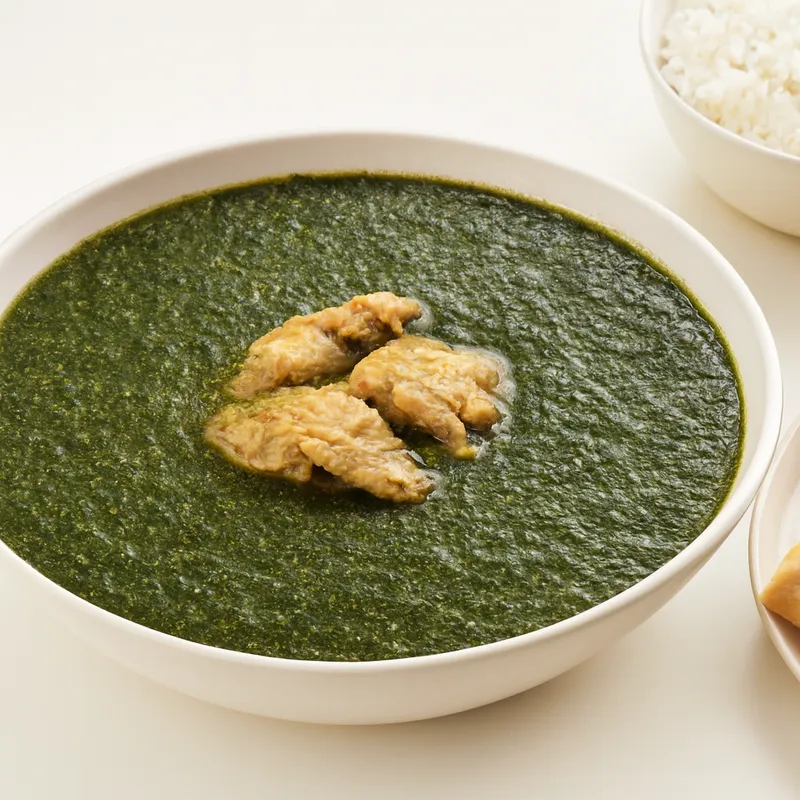



Molokhia is an everyday Egyptian soup, made in homes across the country. Its jute leaves (Corchorus, the 'jute mallow' family) have a long history of cultivation in the Nile Delta, and the dish is often called one of the oldest eaten in Egypt — though this antiquity is more folklore than firm record. Competing legends survive: that ancient Egyptians first shunned the plant as poisonous, and that it was once a 'king's dish,' its Arabized name (from a root meaning 'royal') marking it as reserved for the court. A widely repeated tale holds that the Fatimid caliph al-Hakim banned it in the early 11th century, believing it an aphrodisiac, with the ban lifted only after his reign — but the historical details vary by telling, and the story is best taken as lore rather than fact.
Jute-leaf use in the Nile Delta runs back to 6000 BCE; Fatimid caliph al-Hakim banned the dish in the 11th century, which only made it stick. The takleyya — fried garlic and coriander dropped sizzling into the pot at the end — is non-skippable.
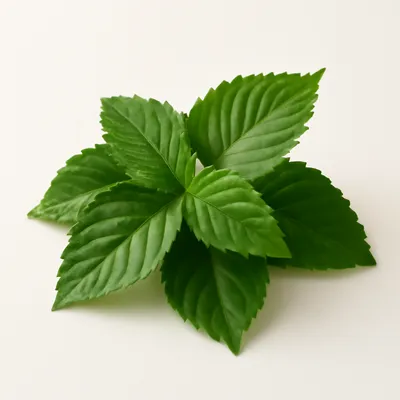
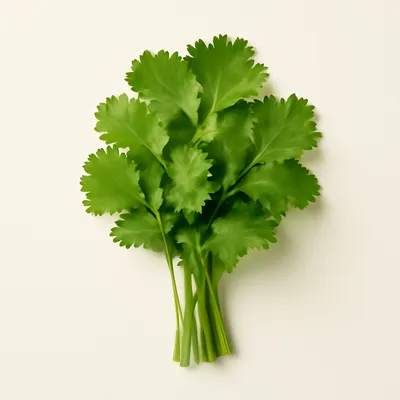
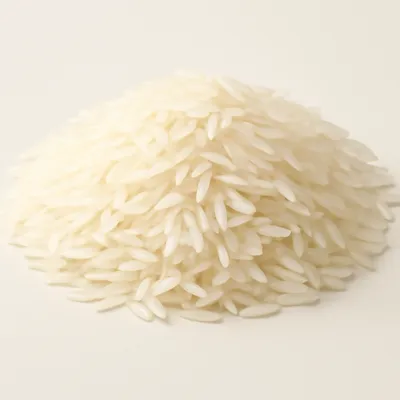
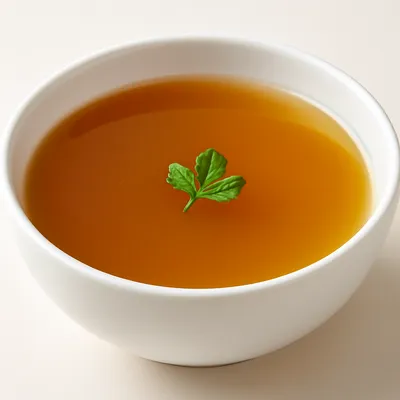
Dark green and viscous to the point of stretching off the spoon — this slipperiness is the whole signature of molokhia, beloved by some and off-putting to others by design. The leaves are stripped from the stem and minced very fine with a crescent-shaped blade, then stirred into chicken or rabbit broth with garlic and coriander. Served over rice or with bread, with a small dish of vinegar-and-raw-onion on the side. If it pours like an ordinary thin soup, the leaves weren't chopped fine enough.
The mucilage in jute leaves comes from a slippery polysaccharide, the same family that makes okra slimy, and it only releases once the cell walls are mechanically broken. A blender will crush them, but the texture turns pasty; the traditional crescent blade leaves the leaf in fine ribbons that swell rather than puree, for a cleaner viscosity. Frozen molokhia loses some thickness; dried loses almost all. The finishing spoonful of fried garlic-and-coriander oil (ta'leya) — sizzled until fragrant and poured straight into the pot — is the source of the dish's aroma and is not to be skipped.
Variations
From the same jute leaf, regions take different routes: the Egyptian version uses chicken or rabbit broth with the leaves minced very fine, viscous on purpose; the Lebanese namesake often uses whole leaves for a lighter, brothier texture, served over rice with raw onion and vinegar; the Tunisian style simmers dried leaves long into a near paste of deep brown, served with beef; the Syrian Aleppo style adds dried lime for acidity.
On the Palate
Where Molokhia sits in the Egyptian flavor cloud
Chop the jute leaves fine and never let the pot hit a hard boil after they go in — a rolling boil breaks the mucilage down and the soup turns thin and stringy instead of silky.
Ingredients


How it's made
4 steps · 20 min
- 15 min
Rinse the molokhia leaves thoroughly under cold water, then finely chop them. In a large pot, bring the broth to a gentle simmer over medium heat.
- 22 min
In a separate pan, heat a tablespoon of vegetable oil over medium heat. Add minced garlic and chopped cilantro, stirring until the garlic is golden and aromatic, about 2 minutes.
Watch outPull the garlic the moment it's golden and smells nutty; past that it turns bitter and drags the whole pot down.
- 310 min
Add the chopped molokhia leaves to the simmering broth. Stir gently and allow the leaves to cook until they soften and the broth becomes thick and mucilaginous, about 10 minutes.
Watch outThe broth is ready when a spoon drawn through leaves a slow-closing trail and the surface looks glossy and slippery.
- 43 min
Add the sautéed garlic and cilantro mixture to the pot. Season with salt to taste, stirring well to combine all flavors.
Watch outPour the fried oil in while it's still sizzling and stir once — the sudden hiss is what blooms the aroma into the soup.
Archive tool suggestions — not reviewed
These legacy suggestions have not been evidence-reviewed and are not presented as required tools.