


The stuffing tradition runs deep: the 10th-century Baghdadi cookbook already records an assortment of stuffed dishes, and stuffed vegetables proper are documented by the 13th century — though the dish spread widely only in Ottoman times. Egyptian mahshi diverged from Levantine and Turkish dolma in the 19th century by using a higher rice-to-meat ratio (often no meat at all), heavier dill, and a tomato base instead of yogurt. Coptic Christians fasting from animal products for 200+ days a year drove the meatless rural form.
Stuffed-vegetable technique in 10th-century Abbasid cookbooks; Egyptian mahshi diverged in the 19th century with higher rice, heavier dill, tomato base over yogurt — Coptic Christians fasting 200+ days a year drove the meatless rural form. Cooking liquid goes in cold or the rice seizes.
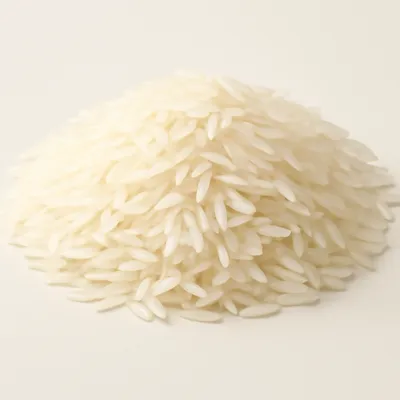
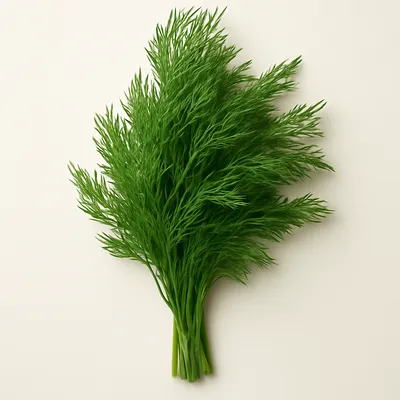
Vegetables — usually grape leaves, cabbage, zucchini, eggplant, tomato, or bell pepper — hollowed out or rolled, packed with a mix of short-grain rice, fresh herbs (dill, parsley, mint), tomato, and Egyptian spices, then layered in a heavy pot and slow-simmered in a tomato-lemon broth. The rice swells inside the vegetable and absorbs its juice. Eaten warm or at room temperature; cold mahshi is a summer staple.
Pot architecture matters: the stuffed pieces are packed tight in a heavy-bottomed pot with a plate weighted on top so they don't unroll during the two-hour simmer. Loose packing equals burst rice grains floating in broth. The cooking liquid is added cold and brought up slowly — adding hot broth seizes the rice exterior before the inside hydrates, leaving it crunchy in the center.
Variations
Mahshi wara' enab (vine leaves); mahshi koromb (cabbage); mahshi kousa (zucchini, served upright in the pot); Levantine yalanji uses pomegranate molasses and no meat; Turkish dolma binds with yogurt and uses currants.
On the Palate
Where Mahshi sits in the Egyptian flavor cloud
Ingredients






How it's made
4 steps · 55 min
- 110 min
Rinse the zucchini and capsicum thoroughly. Carefully hollow out each vegetable using a corer or small knife, taking care not to puncture the sides.
Watch outLeave the vegetable walls a couple of millimeters thick — puncture them and the stuffing leaks and the piece collapses.
- 25 min
In a bowl, mix rice with minced meat, chopped dill, and mint. Season with salt and a few spoonfuls of tomato sauce until the mixture is well combined and aromatic.
Watch outEnsure the mixture is well combined to avoid uneven seasoning.
- 310 min
Stuff each hollowed vegetable with the rice mixture, leaving a little room at the top for the rice to expand. Arrange them snugly in a large pot.
Watch outStand the pieces upright and wedge them together tight; a loose pot is what makes rice float free.
- 430 min
Pour the remaining tomato sauce over the stuffed vegetables. Add enough water to submerge them halfway, then bring to a gentle simmer over medium heat. Cover and cook until the rice is tender, about 30 minutes.
Watch outKeep it at the barest simmer with just a few bubbles breaking; a hard boil unrolls the pieces and clouds the sauce.
Archive tool suggestions — not reviewed
These legacy suggestions have not been evidence-reviewed and are not presented as required tools.