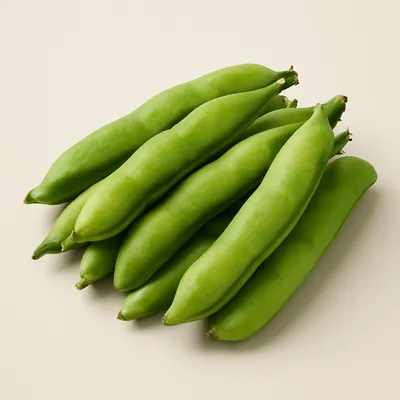

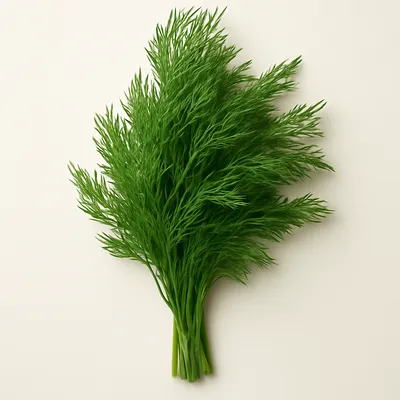
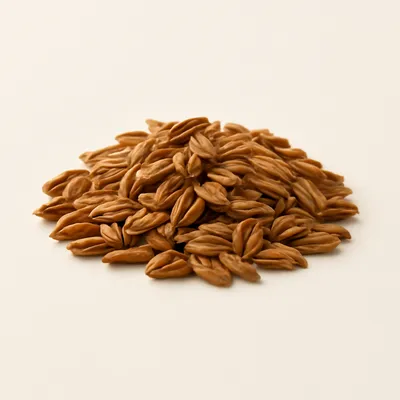


A peasant staple from the Egyptian Delta, traceable in rural cooking long before it appeared in cookbooks; the green version (besara khadra) belongs to Kafr el-Sheikh and Beheira, where leek and herb beds sit beside fava fields. Eaten on Coptic fasting days because it is fully plant-based, then carried into year-round home cooking.
Delta peasant staple long before it hit cookbooks; the green Kafr el-Sheikh and Beheira version sits beside the leek and herb beds. Dried fava (not fresh) for body, herbs go in raw at the mash so chlorophyll stays bright — cook the herbs and the paste turns army-drab.
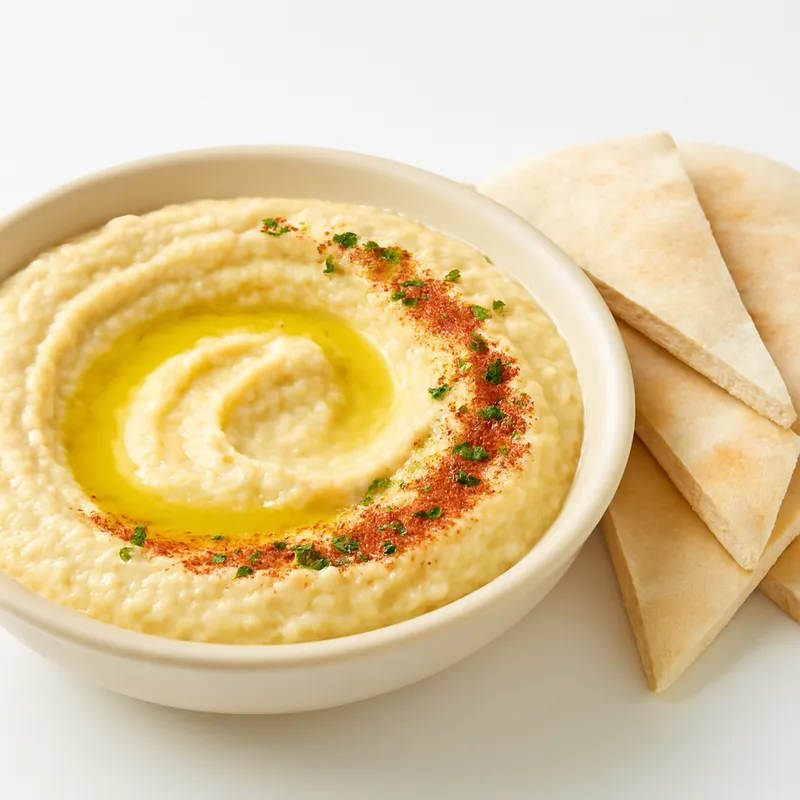
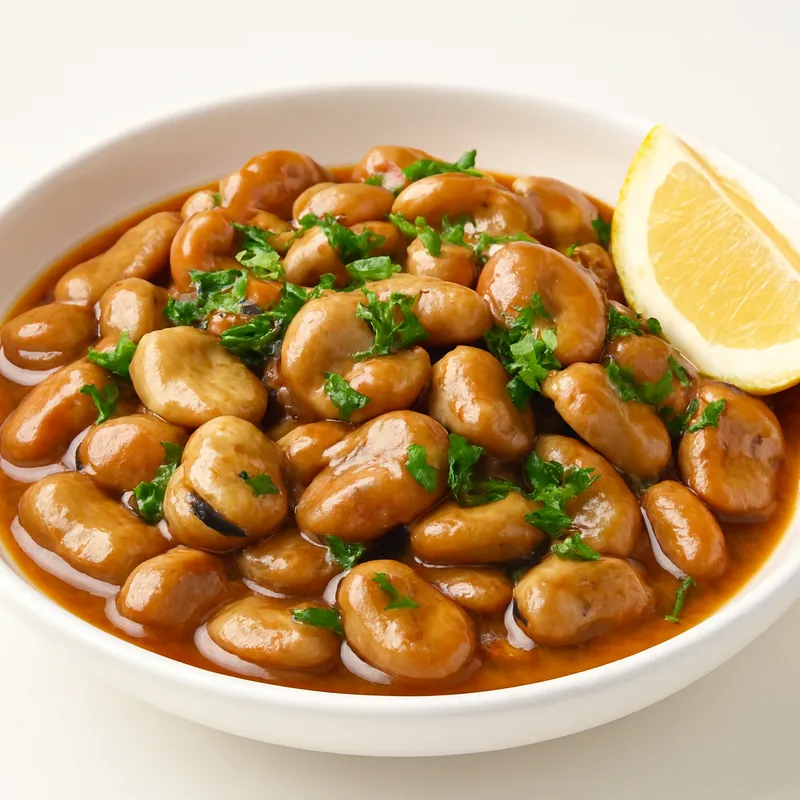
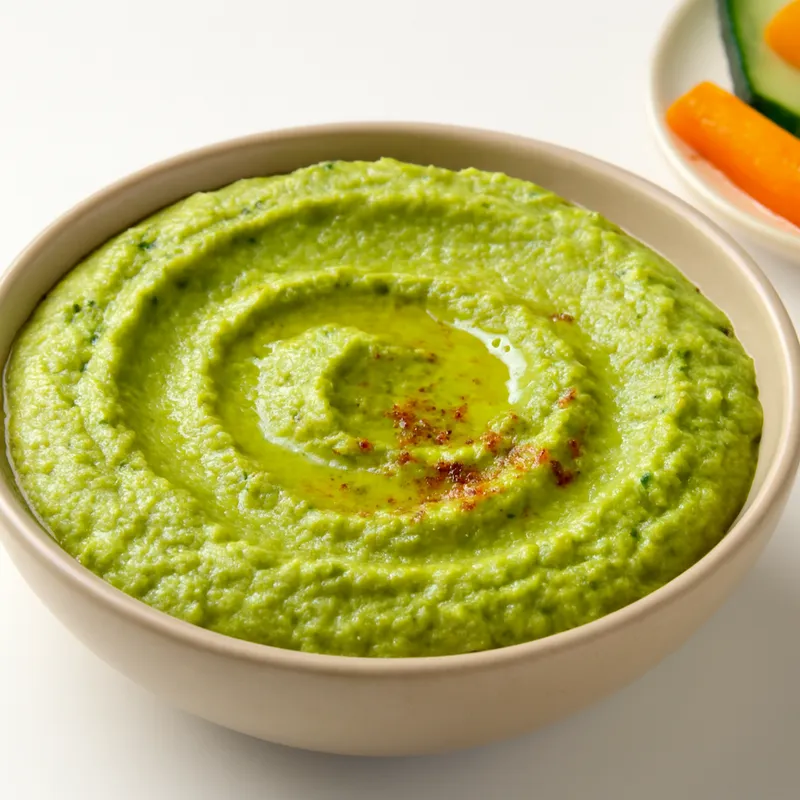
A pale-green paste of mashed fava beans whipped with cilantro, dill, parsley, leek and garlic, finished with a slick of olive oil and a dusting of cumin or coriander. Eaten warm or at room temp, scooped with torn baladi bread or raw vegetable. The good version tastes grassy first and beany second; if it tastes only of beans, the herbs were short.
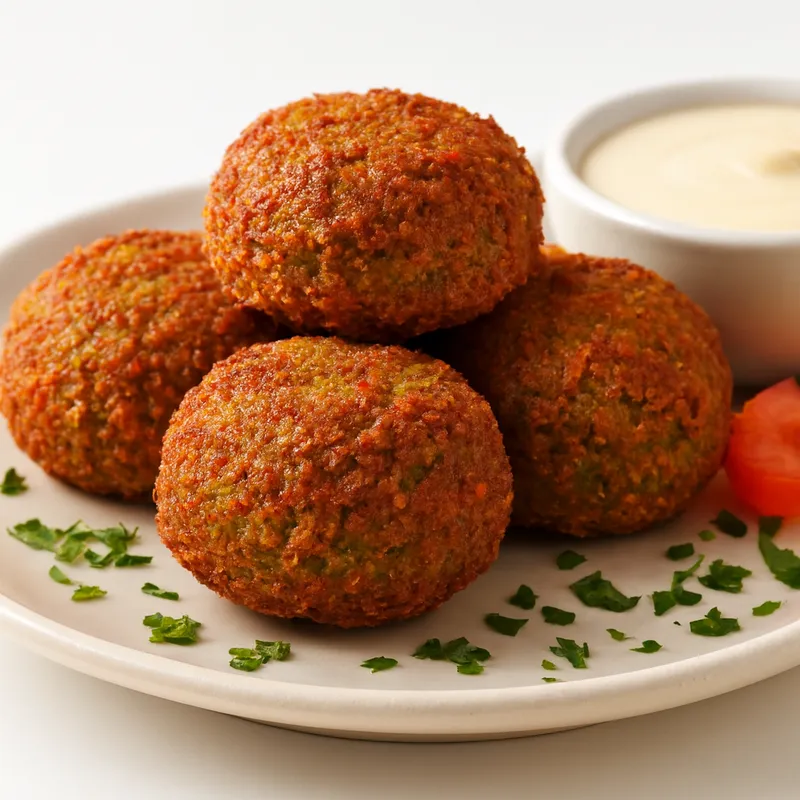
Dried fava (not fresh) gives the body — soaked overnight, simmered until they collapse, then mashed while the herbs go in raw so the chlorophyll stays bright. Cooking the herbs turns the paste army-drab and flat. Egyptians also fry fava into patties — that's ta'amiya, the Egyptian falafel — but that's a separate dish made from raw soaked-and-ground favas, not from this cooked, mashed paste.
Variations
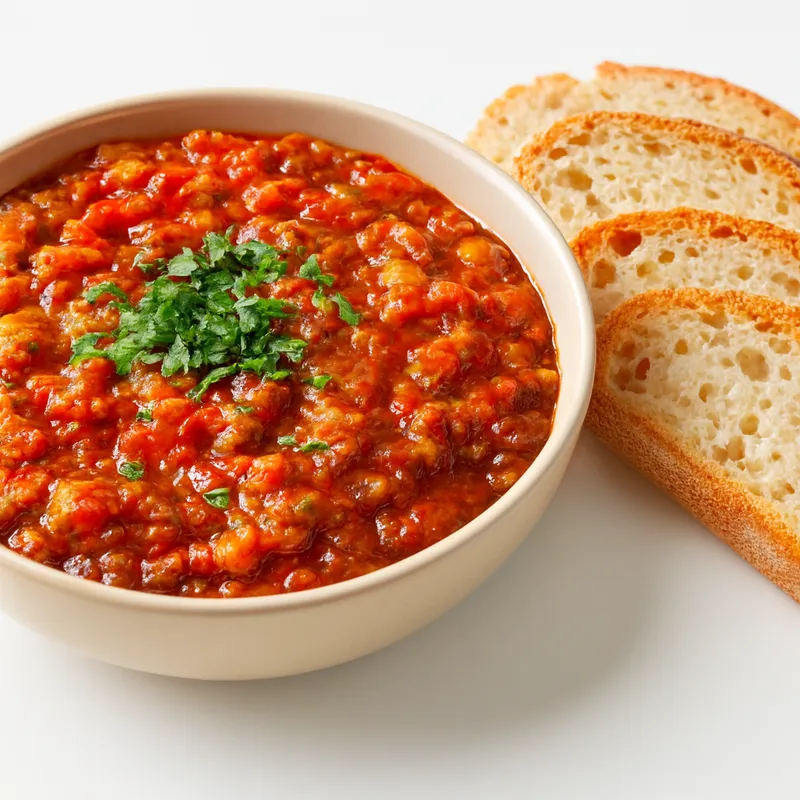
Besara khadra (Delta green, Kafr el-Sheikh and Beheira, fully herbed); besara beida (white, Upper Egypt, no herbs, more cumin); Moroccan bessara (a winter soup version, served in shallow bowls and drizzled with olive oil, paprika and cumin, not herbed like the Egyptian).
On the Palate
Where Besarah sits in the Egyptian flavor cloud
Ingredients

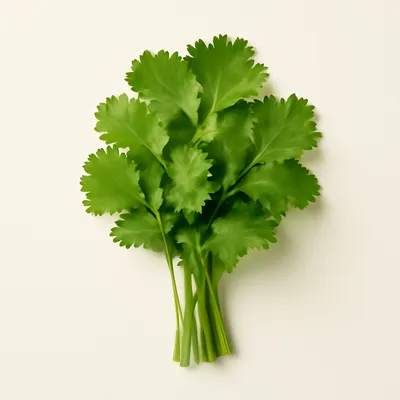

How it's made
5 steps · 40 min active + 8 hours waiting
- 10 min
Soak the fava beans in water overnight until they are soft and easily crushed between your fingers. Drain and rinse them thoroughly before use.
Watch outThe favas are ready to drain when one crushes easily between two fingers with no hard core.
- 230 min
In a large pot, combine the soaked fava beans with water and bring to a boil. Reduce to a simmer and cook until the beans are tender, about 30 minutes. The beans should be soft and beginning to break apart.
Watch outSimmer until the beans slump and start breaking apart on their own — that's when they'll mash smooth.
- 35 min
Drain the cooked beans, reserving some of the cooking liquid. Transfer the beans to a blender, adding a little of the reserved liquid, and blend until smooth and creamy.
Watch outAdd just enough liquid to achieve a creamy consistency; too much will make it soupy.
- 42 min
In a pan, heat olive oil over medium heat and add minced garlic. Sauté until fragrant, about 1 minute, then add cumin and stir for another minute until the spices bloom.
Watch outThe garlic and cumin are ready the moment they smell fragrant — pull them before the garlic browns or it turns bitter.
- 53 min
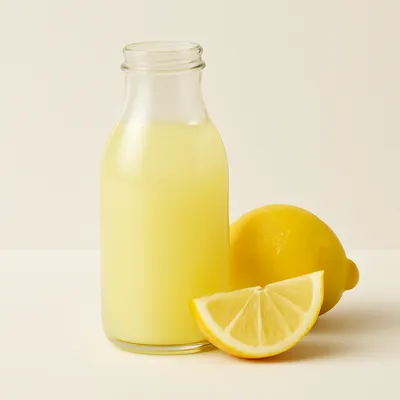
Combine the blended beans with the sautéed garlic and cumin, stirring to incorporate. Adjust the consistency with more reserved liquid if needed. Add lemon juice, salt, and chopped parsley and dill for freshness.
Watch outLoosen with reserved bean water until it's a spoonable paste, not stiff and not soupy.
Archive tool suggestions — not reviewed
These legacy suggestions have not been evidence-reviewed and are not presented as required tools.