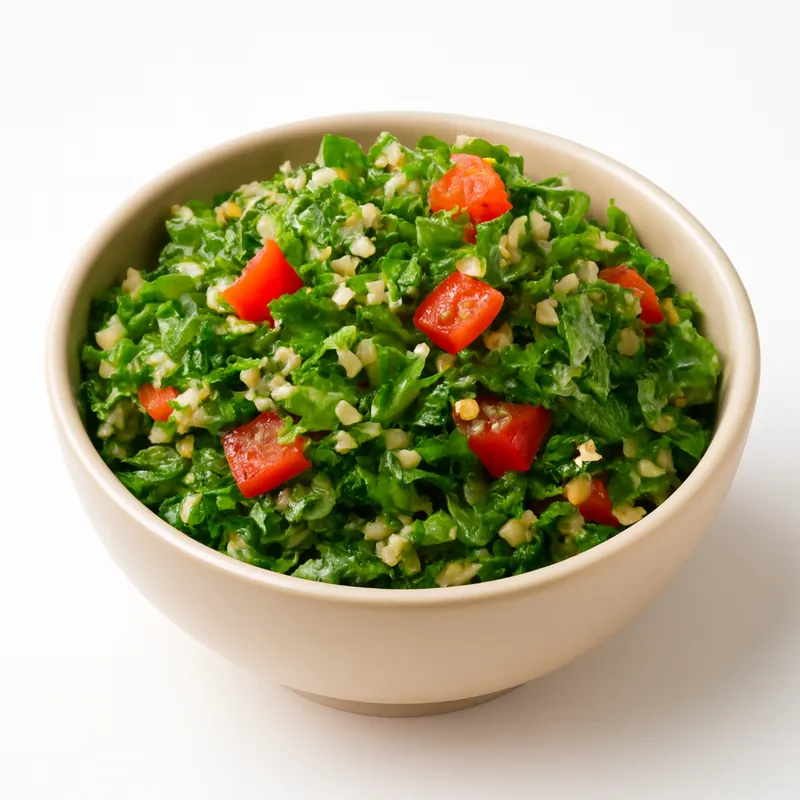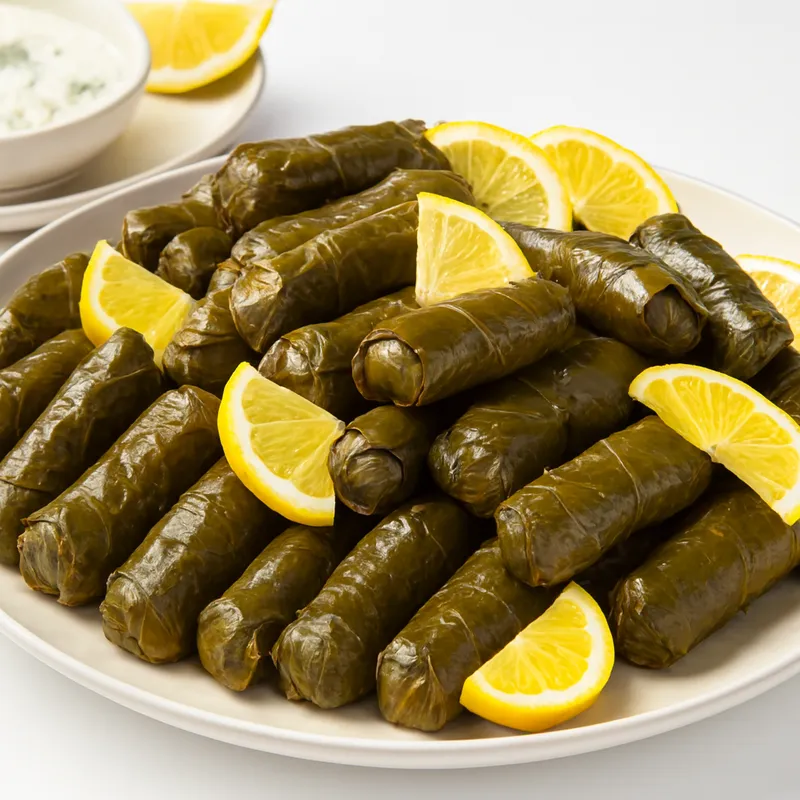



Yalanji means "liar" or "fake" in Levantine Arabic — the meatless version of stuffed grape leaves, named because it impersonates the meat-stuffed warak enab. It became a fixture of Syrian Christian Lent and Ramadan iftar tables, where meat is restricted; recipes from Damascus and Aleppo dating to the late Ottoman period (19th century) record it as a vegetarian fast-day standard. Now eaten year-round across the Levant.
Yalanji means liar in Levantine Arabic — the meatless impostor of warak enab. Damascus and Aleppo recipe records from the late Ottoman period log it as a fast-day standard for Christian Lent and Ramadan iftar.
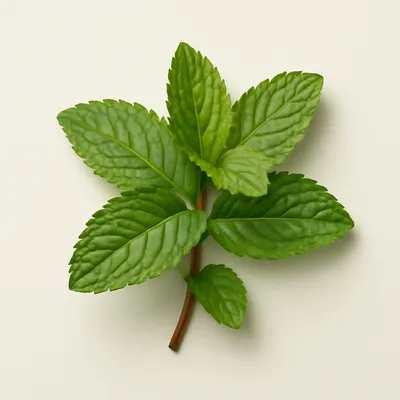
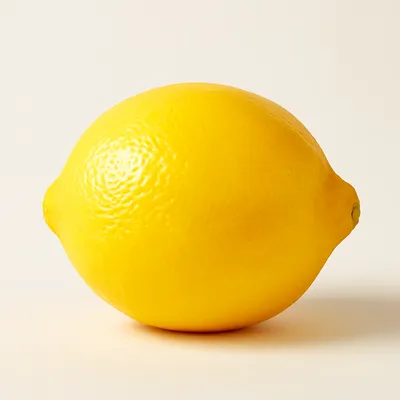
Cold rolled grape leaves, finger-thick, packed with rice, parsley, mint, tomato, lemon, olive oil — no meat. Served chilled or room temperature, eaten with the fingers. Each roll should be tight enough to hold a sharp cylinder when bitten. The lemon and olive oil are dialed up compared to meat-stuffed versions; the leaf itself is mildly sour and brined, so the filling needs salt and acid to keep up.
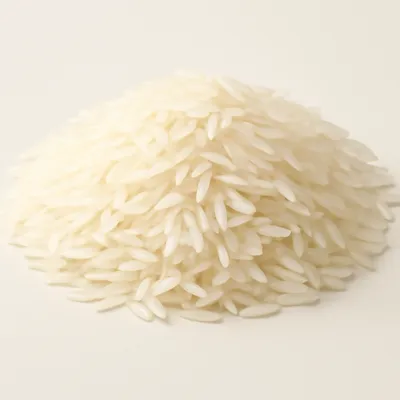
The rice must be par-cooked or soaked, never raw — raw rice expands and tears the leaf. Most cooks soak short-grain rice for 30 minutes, then mix with the herbs and oil cold; it finishes cooking inside the roll during a 40-minute slow simmer with a plate weighting it down. The plate is non-negotiable: without weight, the rolls float, unfurl, and the lemon broth never penetrates.
Variations
Damascus household runs heavier on lemon and uses fresh grape leaves in May; Aleppine version tilts pomegranate molasses up and adds a pinch of seven-spice; Turkish yaprak sarma with the same vegetarian filling adds dried mint and currants.
On the Palate
Where Yalanji sits in the Syrian flavor cloud
Never roll raw rice — par-cook or soak it first, because raw grains swell as they cook and split the grape leaves; and weight the rolls with a plate so they stay furled and drink up the lemon broth.
Ingredients



How it's made
5 steps · 2 hours
- 19 min
Rinse grape leaves and set aside.
- 213 min
Mix rice with chopped tomatoes, onions, mint, parsley, lemon juice, olive oil, and spices.
- 322 min
Place a spoonful of filling on each leaf and roll tightly.
Watch outRoll snug but not tight, tucking the sides in so the seam holds without straining the leaf.
- 49 min
Arrange in a pot, seam side down.
Watch outPack the rolls seam-down and shoulder-to-shoulder so they brace each other and can't unroll.
- 567 min
Cover with water and simmer until leaves are tender.
Watch outKeep it at a gentle simmer until a leaf is tender and the rice inside is soft, topping up water if it dries.
Archive tool suggestions — not reviewed
These legacy suggestions have not been evidence-reviewed and are not presented as required tools.