




Pre-Hispanic in origin, predating Spanish colonization in 1565 — sinigang is one of the few Filipino dishes that owes nothing to Iberian cooking. The technique (souring meat in a tamarind or kamias broth) traces to Austronesian preservation methods across maritime Southeast Asia. Each region picks its own souring agent: tamarind in Luzon, batuan in the Visayas, calamansi or green mango when nothing else is in season.
One of the few Filipino dishes that owes nothing to Spain — predates 1565 contact, traces to Austronesian souring methods. The sour should sting, not just suggest.
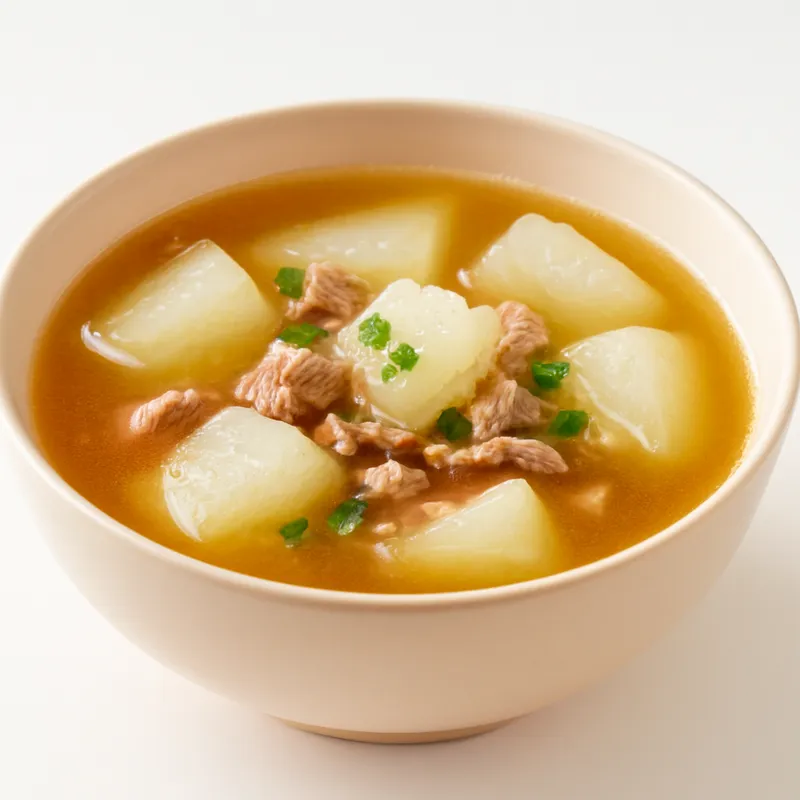
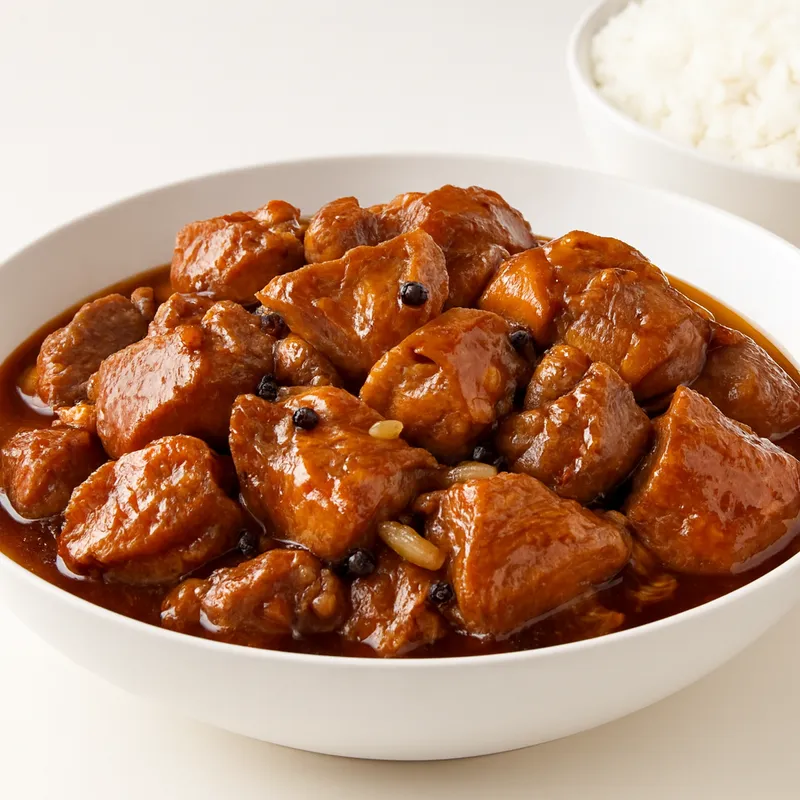
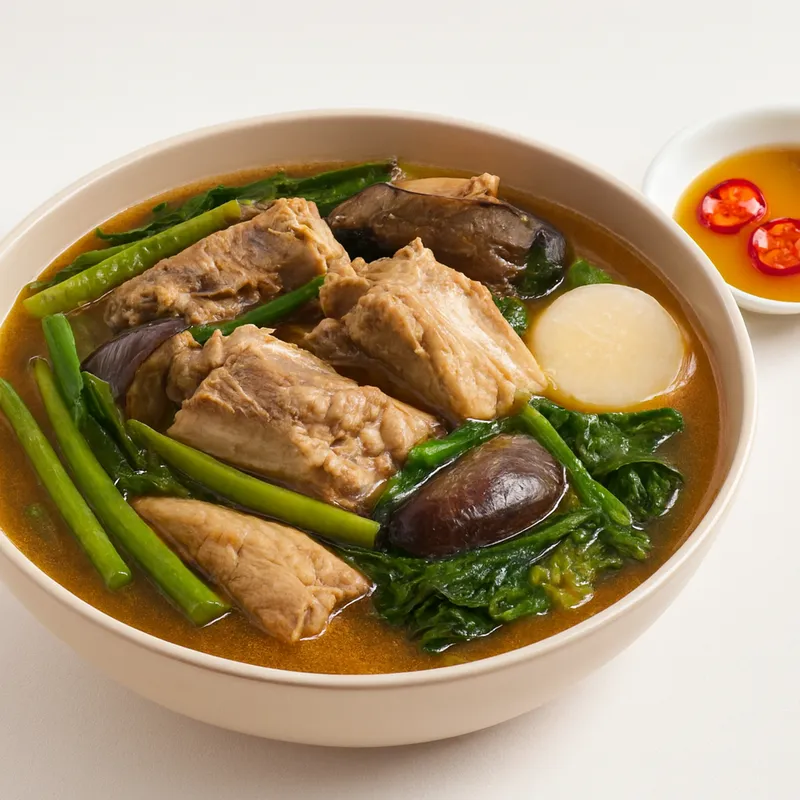
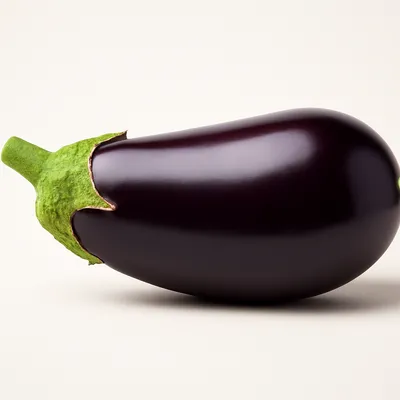
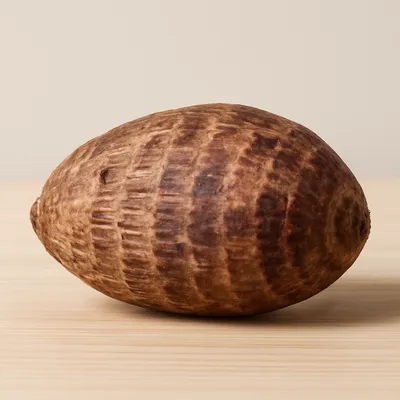
A clear, brown-tinged sour broth with pork ribs, water spinach (kangkong), daikon, long beans, eggplant, and taro chunks half-dissolved into the soup. Tamarind sour hits first — sharp, almost puckering — then pork fat smooths it. Eaten with a mound of white rice; spoon broth over rice, fish out a rib. The sourness should sting, not just suggest.
The souring agent is non-negotiable. Real sinigang uses fresh tamarind pods (sampalok) boiled and mashed through a sieve — the powdered mix sold abroad is sour but flat, missing the fruit's secondary green-vegetal note. The vegetables go in by cook time: taro and daikon early to thicken the broth via starch, kangkong last so it stays bright.
Variations
Luzon uses tamarind (sampalok); Visayas runs batuan fruit; off-season cooks pivot to calamansi, green mango, or kamias — same dish, four different sour profiles.
On the Palate
Where Sinigang sits in the Filipino flavor cloud
Get the souring right: use fresh tamarind (or real paste) mashed and strained, not the flat powdered mix, then layer the vegetables by cook time so the broth stays clean-sour and the kangkong stays bright.
Ingredients







How it's made
6 steps · 1 hour 2 min
- 110 min
In a large pot, bring water to a boil and add chopped onions and tomatoes. Cook until the tomatoes are soft and the broth is aromatic.
Watch outEnsure the water is at a rolling boil before adding ingredients to prevent uneven cooking.
- 25 min
Add tamarind paste to the pot, stirring until fully dissolved. Taste and adjust for the desired level of sourness.
Watch outTaste after the tamarind dissolves — it should be sharply sour but still round, not thin. Add more if it falls flat.
- 330 min
Introduce the meat into the pot, ensuring it's submerged. Simmer until the meat is tender, absorbing the sour broth's flavors.
Watch outOnly tiny bubbles breaking the surface — if it's rolling hard, pull the heat back down.
- 410 min
Add the radish, green beans, and eggplant, cooking until the vegetables are tender yet still vibrant in color.
Watch outRadish and eggplant should yield to a knife but still hold shape; the beans stay snappy.
- 55 min
Finish with a splash of fish sauce and sliced siling mahaba, stirring gently to combine. Let it cook for a final minute to meld flavors.
Watch outAdd fish sauce gradually, tasting as you go to avoid making the soup too salty.
- 62 min
Serve hot, accompanied by rice to complement the soup's tangy, savory profile.