




The current sizzling form was invented in 1974 by Lucia Cunanan in Angeles City, Pampanga — she took the older Kapampangan word sisig (a vinegar-and-chili condiment for boiled meat) and applied it to chopped grilled pig head, plating it on a sizzling iron from a nearby steakhouse. The dish exploded after Anthony Bourdain filmed it at Aling Lucing's stall in 2008. Pampanga still claims naming rights.
Lucia Cunanan invented the sizzling form in 1974 in Angeles City, Pampanga, plating chopped grilled pig head onto a steakhouse iron. Anthony Bourdain filmed Aling Lucing's stall in 2008 and the dish went global.
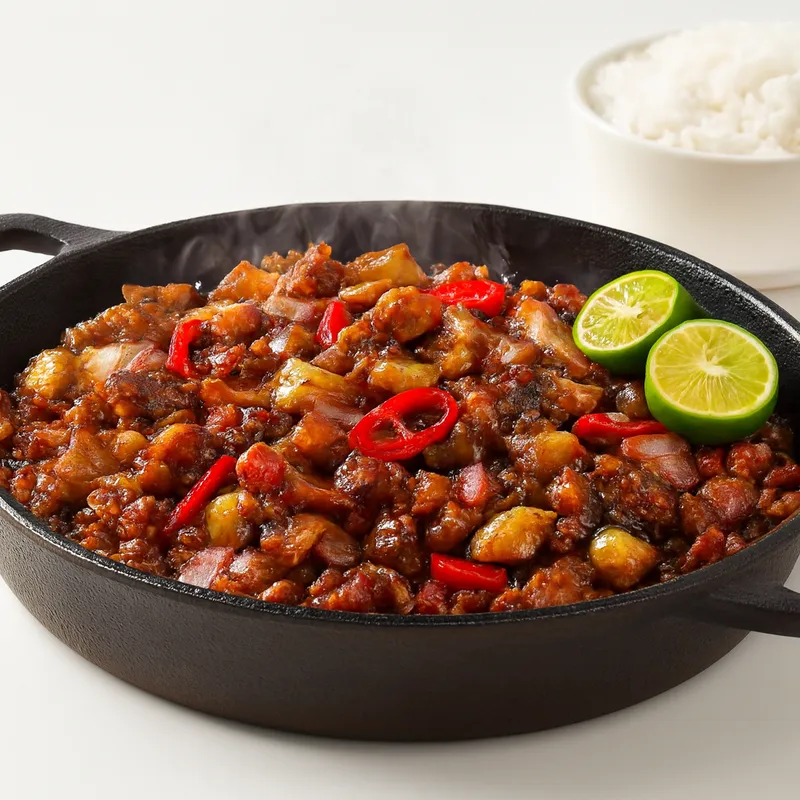
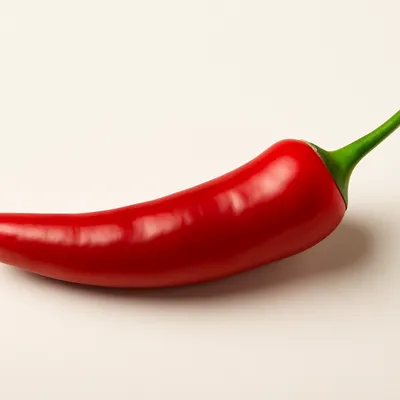
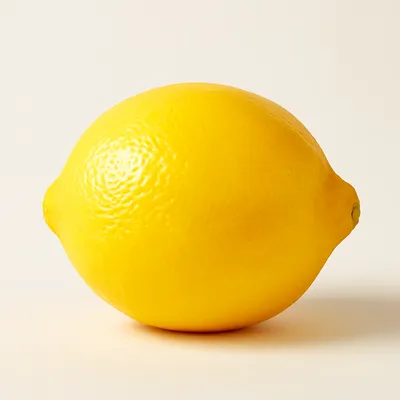
A cast-iron plate brought to the table still hissing, piled with chopped pig face, ear, and jowl seared dark, then dressed with calamansi, soy, chopped onion, and bird's-eye chili. A raw egg cracked on top cooks in the residual heat; the diner stirs it through. Crisp bits, soft bits, fat in pockets. The lemon-cartilage crackle is what separates real sisig from a generic pork hash.
The pig face must be boiled, then grilled over charcoal, then chopped — three cooks, not one. Boiling renders fat and sets collagen; grilling adds the burnt edge and smoke; chopping mixes textures so each bite has skin, fat, and meat. Skip the grill and you get a pale stew; skip the boil and the meat stays tough. The sizzling plate is the final hit, browning the bottom layer once more at the table.
Variations
Aling Lucing's original (no mayo, just chopped pork face on iron); Trellis-style adds mayo and chicken liver for creaminess; sisig na bangus uses milkfish for a fish version; sizzling tofu sisig is the vegetarian iron.
On the Palate
Where Sisig sits in the Filipino flavor cloud
Ingredients

How it's made
5 steps · 1 hour 15 min
- 145 min
Fill a large pot with water and bring it to a vigorous boil. Submerge the pork head, ensuring it's fully covered, and cook until the skin is tender and the hairs can be easily scraped off, about 45 minutes.
Watch outThe skin is ready when a knife slips in with no resistance and the surface hairs scrape off clean.
- 215 min
Remove the pork head from the pot and let it cool slightly. Pat dry, then broil or grill over medium-high heat until the skin is crisp and lightly charred, turning occasionally, about 15 minutes.
Watch outPull it off the grill when the edges are blistered and darkened but before the whole skin blackens and turns bitter.
- 35 min
Once grilled, chop the pork into small, bite-sized pieces. Heat a sizzling plate or cast-iron skillet over medium heat and add butter until it melts and starts to foam.
Watch outAdd the pork only once the butter has stopped foaming and smells nutty — that's when the plate is hot enough to crisp.
- 48 min
Add chopped onions to the sizzling plate and cook until they are translucent and fragrant, about 3 minutes. Stir in the pork, soy sauce, and chili pepper, cooking until everything is well-combined and heated through, about 5 minutes.
Watch outDon't overcook the onions; they should be soft but not browned.
- 52 min
Crack an egg over the pork mixture, allowing it to cook in the residual heat. Stir gently to incorporate, ensuring the egg is just set.
Watch outStir the egg through off the heat so it stays glossy and just-set, not scrambled hard.
Archive tool suggestions — not reviewed
These legacy suggestions have not been evidence-reviewed and are not presented as required tools.
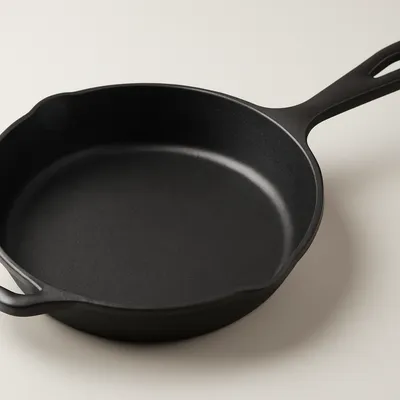
A heavy, single-piece cast iron pan, 25-30 cm across, weighing 1.5-2.5 kg. Once preheated, the thick mass holds 230°C+ even when a cold steak hits the surface — that's the secret to a deep crust. A well-seasoned skillet (multiple thin layers of polymerized oil baked into the iron) is essentially nonstick, gets better with use, and lasts a century. Lodge skillets from Tennessee have been in continuous production since 1896.
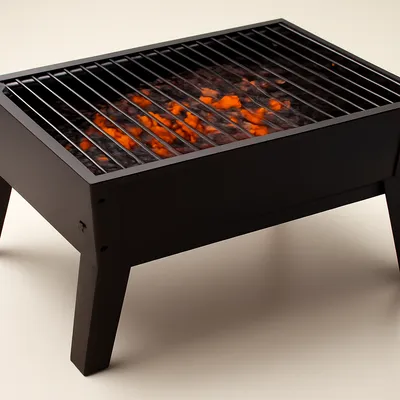
An open or hooded metal frame holding a bed of glowing charcoal embers, with a grate above. Charcoal burns at 700°C+ on the surface and emits short-wave infrared, which cooks proteins faster and with deeper Maillard browning than gas. Hardwood lump charcoal (oak, mesquite, fruitwood) lends its own smoke; cheap briquettes do not. Mastery is mostly heat zoning — direct over coals for searing, indirect off-coals for slow-roasting.