

Pre-Columbian Aztec ritual food, recorded by Bernardino de Sahagún in the 1500s. Originally made with human flesh from sacrificial victims (the Florentine Codex specifically describes the thighs of sacrificed warriors being boiled in the stew) and reserved for priests on feast days; after Spanish conquest in 1521, the church banned cannibalism and pork — introduced by Spaniards — became the substitute because, as 16th-century friars noted, it tasted similar. The hominy itself uses nixtamalized corn, a 1500 BCE Mesoamerican technique.
Pre-Hispanic ceremonial stew — nixtamalized hominy (cacahuazintle corn) simmered with pork or chicken, finished at the table with shredded lettuce, radish, oregano, lime, chicharrón, and chile piquín. Aztec versions reportedly used human flesh until Spanish prohibition; pork was the swap-in.
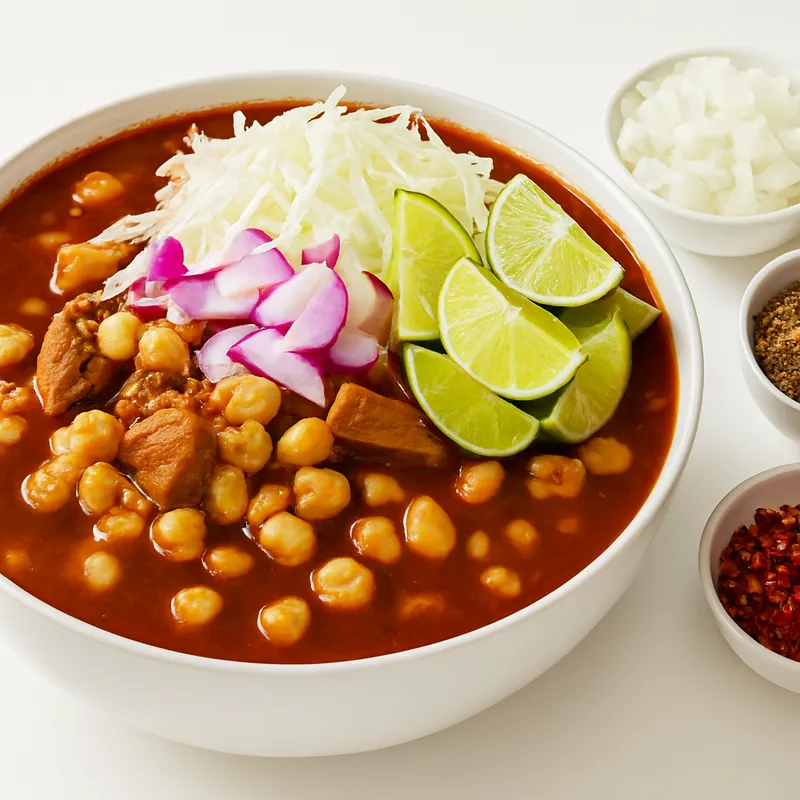
A wide bowl of pale broth crowded with hominy kernels the size of fingertips and chunks of pork shoulder. Three colors exist: white (clear pork broth), red (guajillo and ancho), green (pumpkin seed and tomatillo). Shredded cabbage, sliced radish, oregano, and lime go on at the table. The hominy should pop between teeth — not mush.
Hominy is the technical core: dried corn soaked in calcium hydroxide (cal), which strips the hull and releases bound niacin. Without nixtamalization the corn is starchy and indigestible. The kernels then simmer 3+ hours until they bloom open into flower shapes — a pozole literally means "foamy," referring to that bloomed kernel, not the broth.
Variations
Pozole rojo (Jalisco, guajillo-ancho); pozole verde (Guerrero, pumpkin seeds, tomatillo, epazote and cilantro); pozole blanco (clear broth, condiments do the seasoning); seafood pozole on the Sinaloa coast; vegetarian pozole de hongos uses mushrooms.
On the Palate
Where Pozole sits in the Mexican flavor cloud
Ingredients


How it's made
4 steps · 50 min
- 110 min
In a large pot, bring water to a boil and add hominy. Cook until tender, about 10 minutes.
Watch outMake sure the water is at a rolling boil before adding the hominy for even cooking.
- 25 min
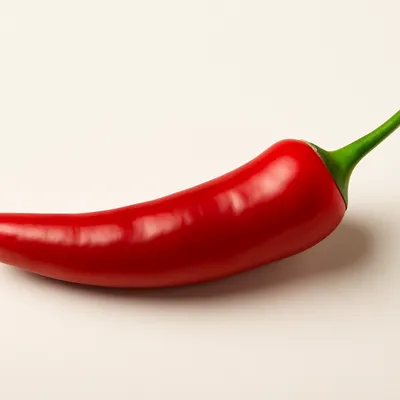
Meanwhile, in a skillet, sauté chopped onions and garlic until fragrant. Add chili peppers and cook until softened.
Watch outSweat the onion and garlic until soft and translucent and just golden, then let the chilies soften in — you're chasing a sweet, deep smell, not colour on the pan.
- 330 min
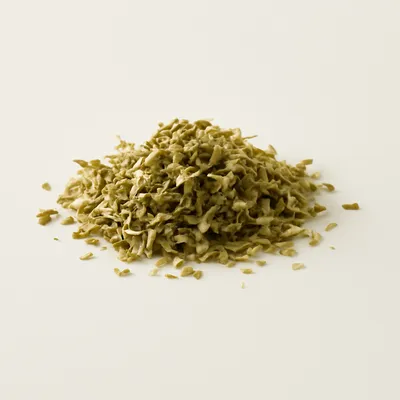
Add the sautéed mixture to the pot with hominy. Stir in the meat, oregano, and additional water if needed. Simmer until the meat is tender and all flavors are well combined.
Watch outThis is where the real time goes — hold a bare simmer for a few hours until the kernels split open into little flowers and the pork pulls apart easily.
- 45 min
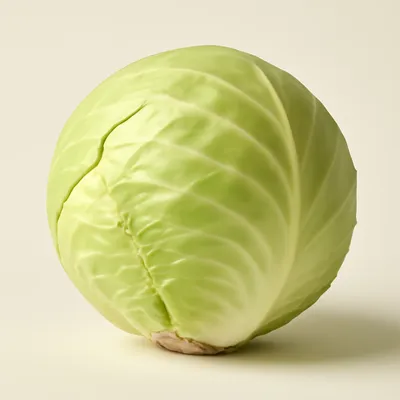
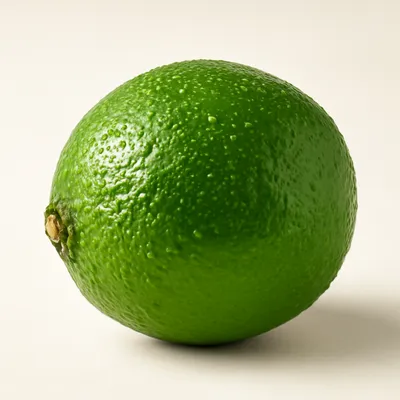
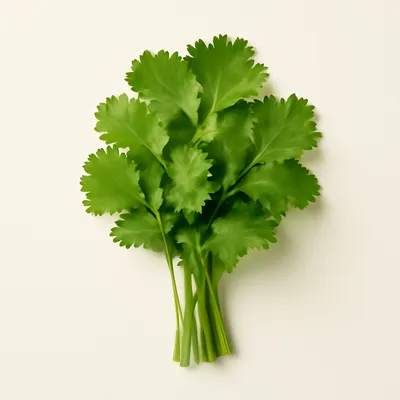
Finely shred cabbage and prepare lime wedges. Serve pozole hot, garnished with cabbage, cilantro, and lime wedges.
Watch outKeep every garnish raw and cold — the crunch of cabbage and the sharp squeeze of lime against the hot broth is half of what makes pozole sing.
Archive tool suggestions — not reviewed
These legacy suggestions have not been evidence-reviewed and are not presented as required tools.
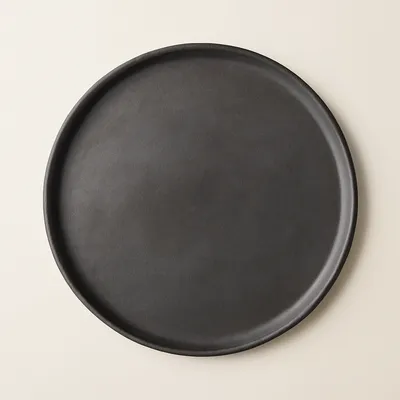
A flat round griddle of steel, cast iron, or unglazed clay, 30-50 cm across, the workhorse of the Mexican kitchen. It sits directly over a flame to toast tortillas (the puff happens in 30 seconds when the heat is right), char chiles for moles, blister tomatoes for salsas, and warm reheated leftovers. Clay comales (especially from Oaxaca) season with each use and impart a faint smoky tang that no metal version can fake.
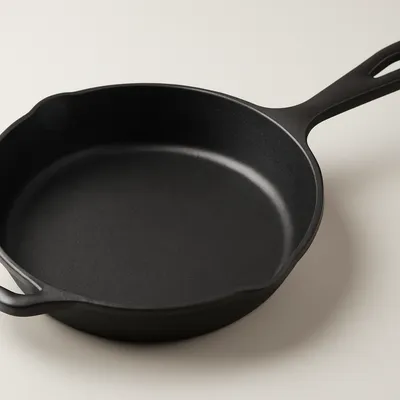
A heavy, single-piece cast iron pan, 25-30 cm across, weighing 1.5-2.5 kg. Once preheated, the thick mass holds 230°C+ even when a cold steak hits the surface — that's the secret to a deep crust. A well-seasoned skillet (multiple thin layers of polymerized oil baked into the iron) is essentially nonstick, gets better with use, and lasts a century. Lodge skillets from Tennessee have been in continuous production since 1896.
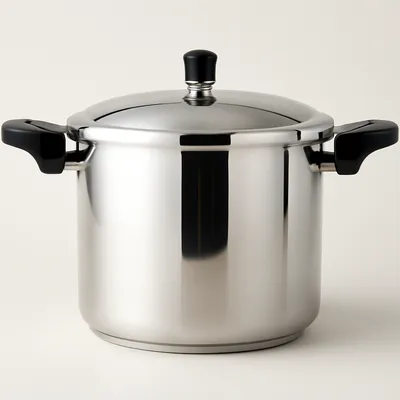
A sealed pot that lifts the boiling point of water from 100°C to ~120°C by trapping steam at 1 bar above ambient pressure. Tough cuts (oxtail, beef shank, dried beans) cook in 30 minutes instead of 4 hours; the higher heat denatures collagen faster than a long simmer. Modern electric versions (Instant Pot) automate the pressure cycle; old stovetop ones (Presto, Kuhn Rikon) hiss alarmingly but cost a fraction.