A robust, regional mole from the Mixteca Poblana region (south of Puebla), made from goat (or sheep) — specifically the hip bones, spine, and meat — simmered with a complex blend of chiles (guajillo, ancho, pasilla), tomatoes, and the distinctive addition of xoconostle (sour cactus pear) for tartness. The dish centers on bone-in meat, giving the broth deep, gelatinous richness. A late-autumn dish tied to the goat slaughter season.




Mole de caderas ('hip mole') is the signature dish of the Mixteca Poblana — the arid southern highlands of Puebla state. The dish is tied to the seasonal goat slaughter that takes place in October-November, when the dry season forces herders to cull their flocks. The use of hip bones (caderas) and spine gives the mole its character — long simmering extracts collagen and marrow into the broth. The xoconostle (sour prickly pear) is a regional souring agent native to the Mixteca. A festival in Tehuacán, Puebla celebrates the dish annually.
A bowl of mole de caderas presents a deep red-brown broth with bone-in goat pieces, the meat falling off the bone. The first sip is rich and tangy — the goat's collagen gives a silky mouthfeel; the chiles add warmth without overwhelming heat; the xoconostle's tartness cuts through the richness. The meat itself is deeply savory from hours of simmering. Eaten with a spoon, with corn tortillas to sop up the broth.
Mole de caderas' depth comes from bone-derived collagen. The hip bones and spine of the goat are rich in connective tissue; prolonged simmering (3-4 hours) denatures the collagen into gelatin, which thickens the broth and gives it a silky, lip-coating texture. The chile blend (guajillo for color, ancho for depth, pasilla for slight bitterness) is toasted and blended; the capsaicin provides warmth. Xoconostle (Opuntia matudae, the sour prickly pear) contributes citric and malic acids, lowering the broth's pH to brighten and balance the heavy richness of the bone broth. Maillard browning on the toasted chiles and aromatics adds another flavor layer.
Variations
Some versions use sheep instead of goat; the xoconostle can be replaced with tomatillo in regions where it's unavailable; the dish is sometimes served with rice.
On the Palate
Where Mole de Caderas sits in the Mexican flavor cloud
Ingredients
Serves 6
How it's made
6 steps · 3 hours active + 1 hour waiting
- 160 min
Cut goat (or sheep) into bone-in pieces; cover with water, bring to boil, skim foam, simmer 1 hour.
Watch outSkim every bit of grey foam as it first comes to a boil — clearing the scum early is what keeps the finished bone broth clean-tasting, not muddy.
- 215 min
Toast guajillo, ancho, and pasilla chiles on a comal until fragrant; soak in hot water 15 minutes.
- 310 min
Blend rehydrated chiles with charred tomatoes, onion, garlic, and soaked xoconostle.
- 45 min
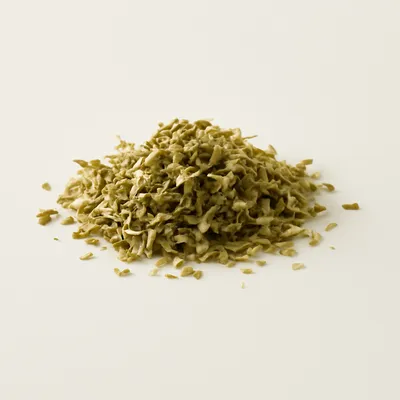
Strain the chile paste into the simmering goat broth; add salt and oregano.
- 5150 min
Continue simmering 2-3 hours until meat falls off the bone and broth is rich.
Watch outSimmer 2–3 hours until the meat falls off the bone and the broth turns silky — that lip-coating body is the dissolved collagen, and it needs the full time.
- 61 min
Serve in deep bowls with corn tortillas; provide a wedge of lime and extra xoconostle on the side.
Archive tool suggestions — not reviewed
These legacy suggestions have not been evidence-reviewed and are not presented as required tools.