
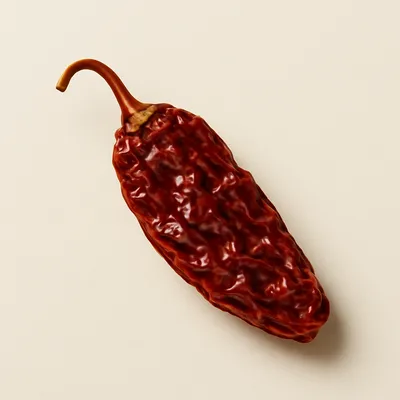
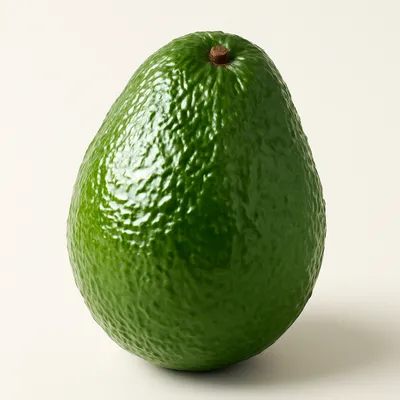
A "dry" pasta dish rather than a soup: short, thin vermicelli toasted golden in oil, then cooked in just enough tomato-and-chile sauce for the strands to drink it all up and come out moist but with no broth left. It is served on a plate, not in a bowl, finished with a drizzle of crema, crumbled fresh cheese, and slices of avocado, sometimes with a fried chipotle alongside. Where sopa de fideo is the brothy soup, fideo seco is its cooked-down sibling — the "sopa seca" course of a Mexican home meal, eaten with a fork and a folded tortilla.





Fideo seco belongs to the family of Mexican "sopas secas" — dry pasta and rice dishes that, despite the name, are served as a distinct course in the traditional home comida, after the brothy soup and before the main. The thin fideo noodle itself is of Spanish origin, descended from the fideos of Spain that trace back to the dried noodles of Al-Andalus, and entered Mexican cooking through the colonial kitchen, where it met local tomato and chile. It is an everyday home and fonda dish with no single inventor or town of origin on record; its specific beginnings are not documented, which suits a thrifty, universal pantry meal.
The noodles come out soft but separate, each strand stained brick-red and tasting of toasted wheat under the tomato. There is no broth — you eat it with a fork — but the inside stays moist, almost creamy where the crema has melted in. The fresh cheese adds salt, the avocado a cool richness, and if a chipotle is on the plate it brings a smoky heat you take in careful bites. The faint nuttiness from toasting the dry noodles is what tells you it was made right.
Two moves define it. First, the dry noodles are fried in oil until deep golden before any liquid touches them — the Maillard browning gives the nutty flavor and, just as important, sets the surface starch so the strands hold their shape and stay separate instead of clumping into paste. Second, the ratio of sauce to pasta is controlled so the noodles absorb essentially all of it: enough blended-and-fried tomato-chile sauce to cook the pasta through, then a covered, low finish so the last of the liquid is drunk up rather than boiled away. Get the ratio wrong and you have either dry, undercooked noodles or a soup. The crema and cheese are added off the heat so they stay creamy.
Variations
The sauce can be a plain tomato base or deepened with chipotle, ancho, or pasilla for a darker, smokier fideo. Some cooks stir cooked beans, chorizo, or shredded chicken into the pasta to make it a fuller main. A Pueblan style is notably rich with chipotle and crema. The brothy cousin, sopa de fideo, is the same toasted noodle taken in the opposite direction — left soupy rather than cooked dry.
On the Palate
Where Fideo Seco sits in the Mexican flavor cloud
Ingredients
Serves 4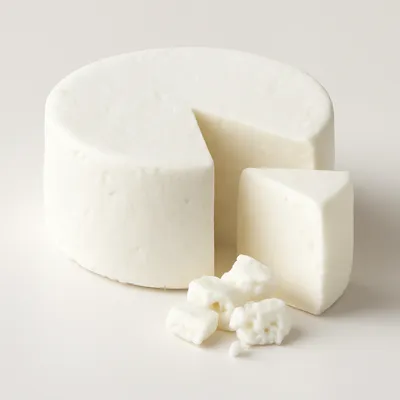
How it's made
7 steps · 15 min
- 110 min
Char or simmer the tomatoes with onion, garlic, and a chile, then blend to a smooth sauce.
- 26 min
Heat oil in a wide pan and toast the dry fideo, stirring constantly, until evenly deep golden — watch closely, it burns fast.
Watch outToast the dry fideo stirring constantly to an even deep gold — it burns in seconds, and the browning both flavors it and sets the starch so the strands stay separate, not pasty.
- 31 min
Pour the blended sauce over the toasted noodles; it will sizzle and the noodles will sink in.
- 42 min
Add a little water or broth, just enough to cook the pasta, and season with salt.
- 512 min
Cover and cook over low heat until the noodles are tender and have absorbed nearly all the liquid, stirring once or twice.
Watch outCover and cook on low until the noodles drink up nearly all the liquid — get the sauce-to-pasta ratio right and it comes out moist, not soupy or dry-undercooked.
- 63 min
Uncover and let any last moisture cook off so the dish is moist but not soupy.
- 73 min
Plate and finish with a drizzle of crema, crumbled fresh cheese, sliced avocado, and a fried chipotle if you like.
Archive tool suggestions — not reviewed
These legacy suggestions have not been evidence-reviewed and are not presented as required tools.


