
A Mexican coconut sweet of shredded coconut cooked down with sugar and milk until thick, then dropped in mounds or spread in a pan and often browned golden — under a broiler or baked — so the surface toasts while the inside stays chewy and moist. It is sold from glass cases at markets and traffic lights, frequently tinted or studded with an almond, and it ranges from a soft, spoonable custard to a firm sliceable bar. Egg yolk or condensed milk turns the richer versions almost flan-like. Sweet, fragrant, and faintly caramelized at the edges.


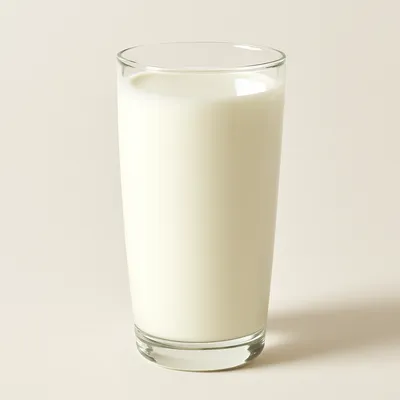

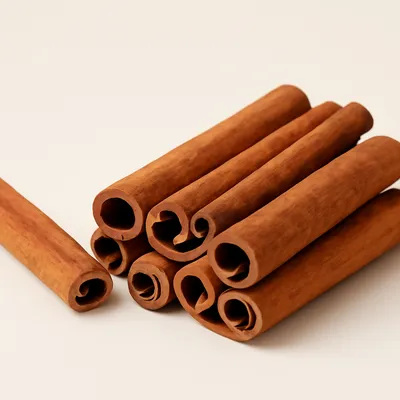
Coconut reached Mexico's Pacific coast through the colonial Manila galleon trade, which from the late 16th century linked Acapulco with the Philippines and seeded coconut palms along the Costa Grande of Guerrero and Colima. Paired with cane sugar from New Spain's mills and the convent tradition of milk-and-sugar candy-making, the coconut became a staple of dulces típicos — the cooked sugar confections sold across central Mexico. Cocada has no single inventor and is shared across Latin America and the old Spanish trade world in many forms; the Mexican baked-and-browned version is one regional branch of that broad family rather than a fixed national original.
A pale-gold mound, the top toasted to light brown, the inside soft and threaded with coconut. The bite is moist and chewy rather than hard-candy crisp, sweet up front with the clean perfume of coconut behind it; the browned crust adds a toasted, almost caramel edge. Richer batches made with egg yolk or condensed milk taste custardy and dense, close to a baked flan studded with coconut. Strands of coconut catch between the teeth. A small piece satisfies — it is sugar and coconut in equal, generous measure.
This is a controlled reduction and surface-browning cook. Coconut, sugar, and milk are simmered until enough water evaporates that the sugar concentrates toward a soft set; on cooling the syrup grips the coconut shreds into a chewy mass. Milk and egg yolk, where used, add proteins and fat that soften the set and bring Maillard browning — which is what lets the surface toast golden under heat rather than just crystallize. The final pass under a broiler or in the oven drives surface caramelization and Maillard reactions for the toasted crust and aroma, while the moist interior is protected from over-drying by its sugar-bound water. Stop short of heavy browning for a pale cocada; push the heat for the deeper toasted version.
Variations
Cocada blanca is kept pale and milky; cocada dorada or quemada is browned deeper for a toasted, caramel note. Cocada de horno is baked into a firmer, cake-like slab; a looser, spoonable cocada cremosa is eaten by the spoon. Almond-topped and food-colored versions are common at markets. Coastal Guerrero and Colima cooks favor fresh young coconut for a more tender chew, and some fold in pineapple or a splash of rum.
On the Palate
Where Cocada Mexicana sits in the Mexican flavor cloud
Ingredients
Serves 12How it's made
5 steps · 30 min active + 10 min waiting
- 12 min
Combine shredded coconut, sugar, and milk in a heavy pan.
- 218 min
Cook over medium heat, stirring constantly, until the mixture thickens and most of the liquid has reduced.
Watch outStir over medium heat until the mixture pulls thick and a spoon dragged across the bottom leaves a clear trail that holds — stop while it's still soupy and it never sets to a chew.
- 33 min
Off the heat, beat in the egg yolks (or condensed milk) until smooth.
- 42 min
Spoon into mounds on a greased tray, or spread into a baking dish.
- 515 min
Brown under a broiler or in a hot oven until the surface is golden, then cool until set.
Watch outBrown the mounds under high heat only until the surface toasts golden — leave them too long and the sugar keeps cooking and the whole thing hardens dry.
Archive tool suggestions — not reviewed
These legacy suggestions have not been evidence-reviewed and are not presented as required tools.


