Leche Asada is a rustic Peruvian baked-milk custard set with whole eggs, sugar and vanilla, perfumed with cinnamon and a little lemon zest. Unlike flan, it is baked directly in the oven without a water bath, so the surface scorches to a freckled brown skin while the inside stays firm and slightly granular rather than silky. It is poured over a layer of caramel in the mould or simply browned on top, then cut into squares. A plain, homey sweet, it is one of the everyday postres found in Peruvian households and old Lima cafés.



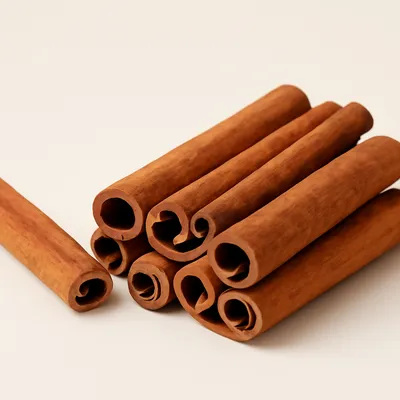
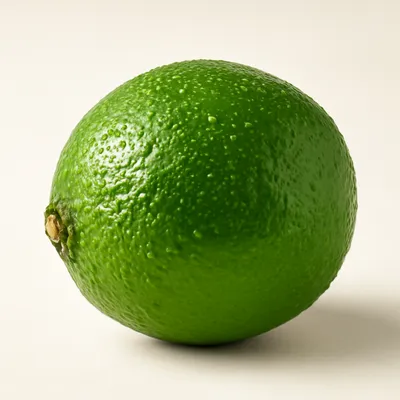

Leche Asada belongs to a wide family of Iberian and Latin American baked custards descended from European egg-and-milk sweets such as flan and the crema catalana, carried to Peru in colonial times and absorbed into the home-cooking repertoire. It has no single documented inventor or date in Peru and is treated as a humble folk dessert rather than a chef's creation; versions of it are eaten across Chile, Ecuador and other Andean countries as well. What marks the Peruvian home style is its plainness — milk, eggs, sugar, vanilla, cinnamon — and the defining decision to skip the water bath, baking the custard straight on the oven rack so it sets firm and takes on a toasted top. Old recipes lean on fresh or evaporated milk and a stick of cinnamon steeped in the warm milk, and many cooks finish it with caramel like a flan.
The top is the best part — a thin, freckled brown skin that tastes faintly of toasted milk and caramel, giving way to a custard underneath that is set, tender and a touch grainy rather than glossy. The flavor is gently sweet and milky, warmed through with cinnamon and a clean lift of lemon. If made with a caramel base, a thread of bittersweet syrup runs down each square. It eats cool from the fridge, plain off a spoon, the kind of unfussy sweet a Peruvian grandmother turns out without a recipe.
The custard sets by coagulation: the egg proteins unfold and link into a soft solid network as the milk heats, trapping the liquid in a tender gel. Baking without a water bath is the whole point — the dry oven heat pushes the surface well past the gentle temperature of a bain-marie, browning the milk sugars and proteins into a toasted skin (Maillard and caramelization), and the hotter, less even cook firms the body and leaves it faintly granular instead of the smooth, custard-silk texture a flan gets from its slow, water-buffered bake. Steeping cinnamon in the warm milk and resting the baked custard cold lets the flavors settle and the set firm up.
Variations
The basic Peruvian style uses whole eggs in milk with sugar, vanilla and cinnamon, baked uncovered until the top browns; some cooks line the mould with caramel like a flan, while others leave it plain and rely on the toasted skin. Evaporated or condensed milk gives a richer, denser set; lemon or orange zest is a common aromatic. Closely related baked custards appear across Chile, Ecuador and Colombia under the same name, with small shifts in sweetness and the milk used.
On the Palate
Where Leche Asada Peruvian sits in the Peruvian flavor cloud
Ingredients
Serves 6How it's made
7 steps · 15 min active + 1 hour waiting
- 112 min
Warm the milk with a cinnamon stick and a strip of lemon zest, then let it steep and cool slightly.
- 26 min
Melt sugar into a golden caramel and pour it into the base of the baking mould, if using.
- 34 min
Whisk the eggs with sugar and vanilla until smooth but not foamy.
- 43 min
Slowly whisk the warm, strained milk into the eggs to make the custard.
Watch outWhisk the eggs with sugar until just smooth, not foamy — beating in air leaves bubbles that mar the set custard and make it rise unevenly.
- 52 min
Pour the custard into the mould and place it directly on the oven rack, with no water bath.
- 655 min
Bake in a moderate oven until set and the top is freckled deep brown.
Watch outBake dry on the rack, no water bath, until the top is freckled deep brown — that toasted skin is the point, so let the surface push past a flan's gentle set into real browning.
- 7120 min
Cool to room temperature, then chill thoroughly before cutting into squares to serve.
Archive tool suggestions — not reviewed
These legacy suggestions have not been evidence-reviewed and are not presented as required tools.


