A Peruvian-Japanese nigiri: a hand-pressed finger of seasoned rice topped with a slice of raw fish, then brushed or lightly torched with acevichada sauce — the creamy leche-de-tigre-and-mayonnaise glaze of Nikkei cooking. It is the sushi bar's answer to ceviche, the familiar nigiri carrying a distinctly Peruvian sauce, usually finished with crispy garlic or a bead of aji.



Nigiri acevichado belongs to the Nikkei sushi repertoire that took shape in Lima's Japanese-Peruvian kitchens through the 20th century, the same current that produced tiradito and the acevichado maki. Its character comes entirely from the sauce: acevichada, a blend of ceviche's leche de tigre with mayonnaise, generally credited to the Matsufuji cooks at the Lima restaurant Matsuei. The form is classic Edomae nigiri, but the seasoning is Peru's — a clear case of the Nikkei method, in which Japanese technique carries native lime-and-aji flavor. It is a contemporary sushi-counter item rather than a dish with a single founding recipe.
One clean bite: cool, slightly sweet-tart rice that just holds together, a slice of cold silky fish on top, and a glaze that is creamy and bright at once — the lime of the leche de tigre rounded by mayonnaise. A quick pass of the torch warms the fish at the edges and lightly caramelizes the sauce, and crispy garlic adds a savory crunch against the soft rice.
Good nigiri is about the rice as much as the fish: shari is seasoned warm with rice vinegar, sugar and salt, then hand-pressed just firmly enough to hold without compacting, so it falls apart cleanly in the mouth. The fish is sliced against the grain and kept cold for a clean texture. The acevichada glaze is an emulsion — mayonnaise carries and softens the acidic leche de tigre — and a brief torching does two things at once: it warms the fat in the fish for aroma and lets the sugars and proteins in the sauce brown for a faint caramel note without cooking the fish through.
Variations
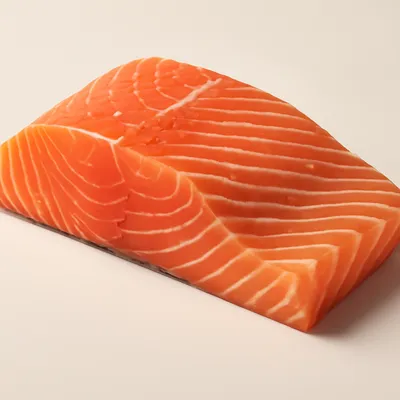
Salmon and tuna are the most common toppings, but white fish and scallop work too; some bars torch the fish, others leave it raw and simply brush on the sauce; a bead of rocoto or aji amarillo can be added for heat; and an unagi-style version uses a sweeter soy glaze alongside the acevichada.
On the Palate
Where Nigiri Acevichado sits in the Peruvian flavor cloud
Ingredients
Serves 4How it's made
7 steps · 40 min active + 5 min waiting
- 115 min
Cook sushi rice and season it warm with rice vinegar, sugar and salt; cool to body temperature.
- 23 min
Whisk the acevichada glaze by folding leche de tigre into mayonnaise until smooth.
- 35 min
Slice sushi-grade fish against the grain into nigiri-sized pieces and keep cold.
- 48 min
With wet hands, press small fingers of rice and set a slice of fish over each.
Watch outPress the rice just firmly enough to hold — pack it tight and the nigiri turns dense; done right it falls apart cleanly in the mouth.
- 53 min
Brush each piece with the acevichada glaze.
- 63 min
Pass a kitchen torch briefly over the fish to warm it and lightly caramelize the sauce.
Watch outTorch the fish only briefly — just warm the fat and lightly brown the sauce; linger and you cook the fish through.
- 73 min
Top with crispy garlic and a touch of aji, and serve at once.
Archive tool suggestions — not reviewed
These legacy suggestions have not been evidence-reviewed and are not presented as required tools.