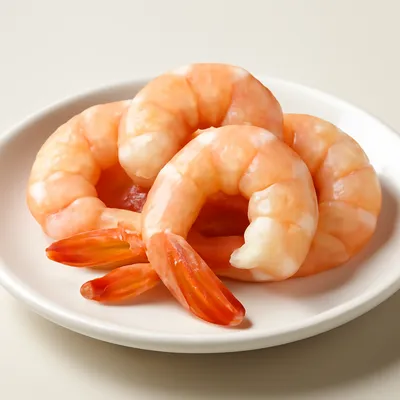
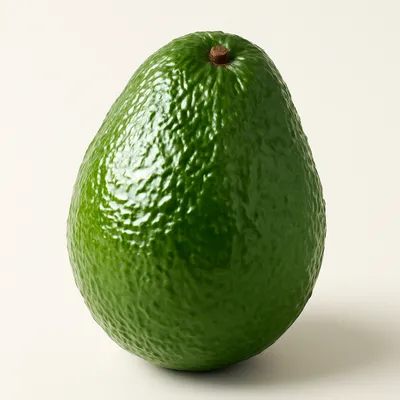
The most Peruvian of all sushi rolls. An inside-out maki is built around avocado and crisp tempura shrimp, rolled in seasoned rice, then crowned with thin slices of raw fish and napped in acevichada sauce — a creamy blend of mayonnaise and ceviche's leche de tigre. It marries Japanese maki technique to the flavors of ceviche, and is usually cut into thick rounds and finished with a scatter of crispy garlic or sesame.
The roll is a product of Lima's Nikkei kitchens of the late 20th century, widely traced to the restaurant Matsuei — the same kitchen where Nikkei figures such as Toshiro Konishi and a young Nobu Matsuhisa cooked. Its defining acevichada sauce, which folds leche de tigre into mayonnaise, is generally credited to chef Javier Matsufuji and his uncle Carlos Matsufuji, descendants of Japanese immigrants. The dish belongs to the broader Nikkei tradition that began with Japanese arrival at Callao in 1899: it takes the maki form and the tempura technique from Japan, then loads them with the lime-and-aji logic of ceviche, producing a roll that tastes unmistakably Peruvian.
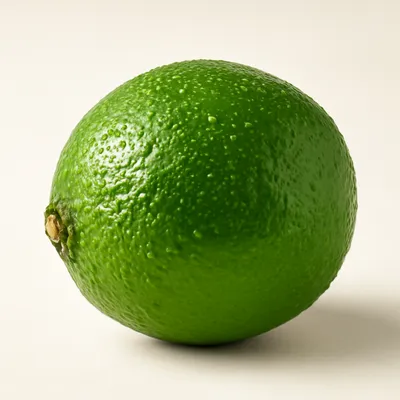
A cool round of rice and cold raw fish over warm-crisp tempura shrimp and buttery avocado, all bound by a sauce that is creamy and tangy at once — mayonnaise smoothing the sharp lime of the leche de tigre, with a low aji warmth underneath. The contrast of crunchy shrimp against silky fish and soft rice is the whole point, and crispy garlic on top adds a savory snap.
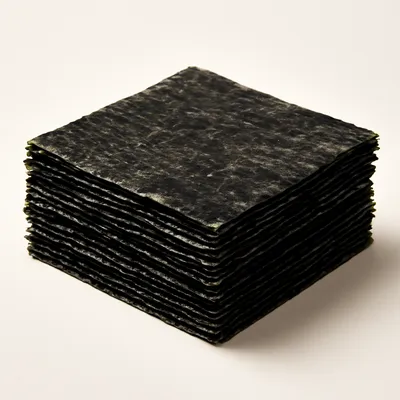
The roll relies on three textures set against each other: shari rice seasoned with rice vinegar, sugar and salt for tang and cling; shrimp fried in a cold, lumpy tempura batter so it shatters rather than softens; and raw fish kept cold for silkiness. The acevichada sauce is an emulsion — mayonnaise's egg-and-oil base carries and tames the acidic leche de tigre, so the lime reads bright but not harsh, much as a creamy dressing rounds off a vinaigrette. Rolling inside-out keeps the rice from sogging the nori and gives the fish-topped surface a place to hold the sauce.
Variations
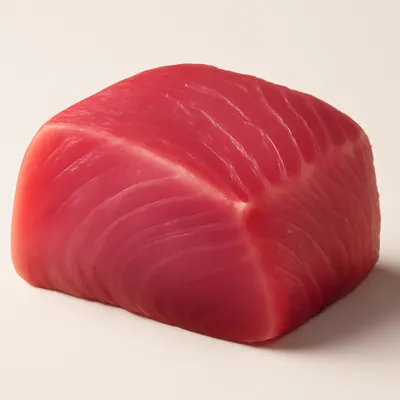
The fish topping is commonly tuna or salmon; an acevichado roll may swap the tempura shrimp for crab stick or eel; some versions are torched briefly to warm the fish and caramelize the sauce; and a vegetarian build uses tempura sweet potato in place of shrimp.
On the Palate
Where Maki Acevichado sits in the Peruvian flavor cloud
Ingredients
Serves 4


How it's made
7 steps · 45 min active + 5 min waiting
- 115 min
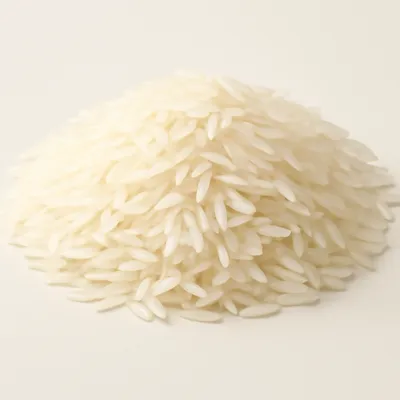
Cook sushi rice and season it warm with rice vinegar, sugar and salt, then cool to body temperature.
- 28 min
Coat shrimp in a cold, barely-mixed tempura batter and deep fry until crisp; drain.
Watch outCoat the shrimp in a cold, barely-mixed tempura batter — lumps and ice-cold batter are what make it shatter-crisp; over-mixed warm batter fries up soft.
- 33 min
Whisk the acevichada sauce by folding leche de tigre and a little aji amarillo paste into mayonnaise.
- 44 min
Lay nori on a bamboo mat, spread rice over it, then flip so the rice faces down.
Watch outSpread the rice, then flip so it faces down before rolling inside-out — this keeps the rice from sogging the nori and gives the top a surface to hold the sauce.
- 54 min
Line the nori with avocado and the tempura shrimp and roll tightly inside-out.
- 63 min
Drape thin slices of raw fish over the roll and press gently to seat them.
- 73 min
Cut into thick rounds with a wet knife, spoon over the acevichada sauce, and finish with crispy garlic.
Archive tool suggestions — not reviewed
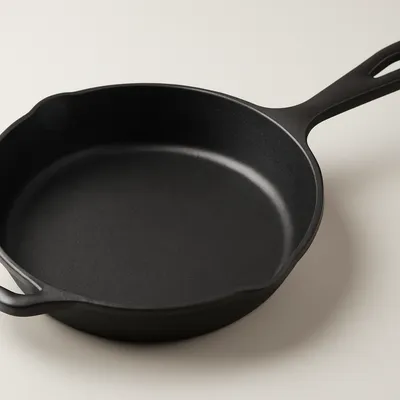
These legacy suggestions have not been evidence-reviewed and are not presented as required tools.