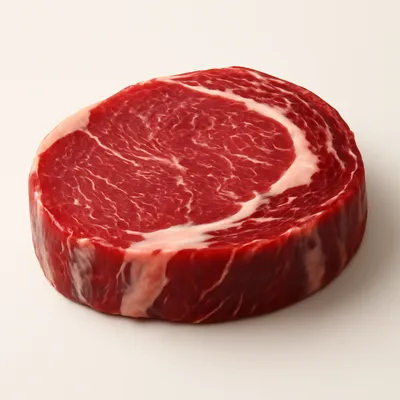
Lomo a lo pobre is the beef-loin take on Peru's 'a lo pobre' plate: a seared cut of tender lomo crowned with a fried egg and piled with sautéed onions, fried sweet plantain and French fries, usually alongside white rice. It is the richer cousin of bistec a lo pobre, trading the thin pan steak for a thicker, more prized cut of loin under the same lavish heap of toppings. The dish carries no chili in itself; the heat comes from the salsa criolla or ají served on the side. It is a hearty, indulgent plate of the criollo lunch table.




The 'a lo pobre' style — a plain cut of meat dressed up with cheap, filling extras like eggs, fries and plantain — is documented in both Peru and Chile from around the turn of the 20th century, the name an affectionate irony since the 'poor' plate ends up overflowing. The Peruvian version is the more elaborate, layering fried sweet plantain, white rice and ají or salsa criolla, where the Chilean keeps to steak, fries and egg. The lomo version simply uses beef loin in place of the thinner bistec cut. No single inventor is recorded; it is a documented criollo plate of the early modern era rather than a dated invention.
Cutting the loin releases beef juices that pool into the runny egg yolk and the sweet, slow-cooked onions, the whole lot scooped up with crisp fries and offset by a slice of caramelized plantain. The loin gives a meatier, more tender chew than the thin bistec, and the plate as a whole is rich, savory and filling. The salsa criolla or ají on the side cuts through with raw onion and chili heat. Each bite can gather meat, egg, fry and sweet plantain together — exactly the indulgence the dish is built for.
Beef loin is lean and tender, so it wants a hard, fast sear to build a Maillard crust while keeping the inside juicy and pink — overcooking dries it out. The egg is fried sunny-side-up so the runny yolk works as a sauce, and the onions are cooked low until their sugars caramelize. Ripe plantain browns into soft caramel when fried, and the fries are cooked separately so they stay crisp, added at assembly rather than tossed with the meat. Everything is cooked apart and stacked on the plate, never simmered into a single pot.
Variations
The same dressed style appears as bistec a lo pobre with a thinner pan steak, or with pork or chicken in place of beef. Some plates carry two fried eggs; rice may be dropped where the fries run generous, and leaner versions skip the plantain. Salsa criolla, ají amarillo sauce or a fried banana garnish vary by cook. The constant is the seared meat under a runny egg with starches and onion piled around.
On the Palate
Where Lomo a lo Pobre Peruano sits in the Peruvian flavor cloud
Ingredients
Serves 2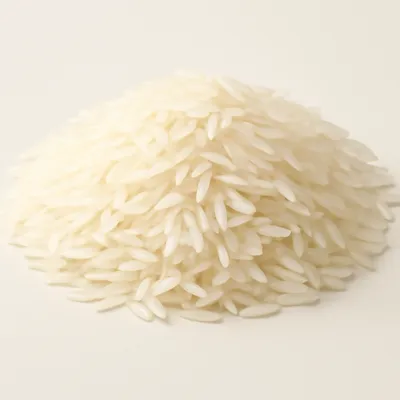
How it's made
8 steps · 25 min active + 5 min waiting
- 15 min
Season the beef loin with salt and pepper and let it come to room temperature.
- 25 min
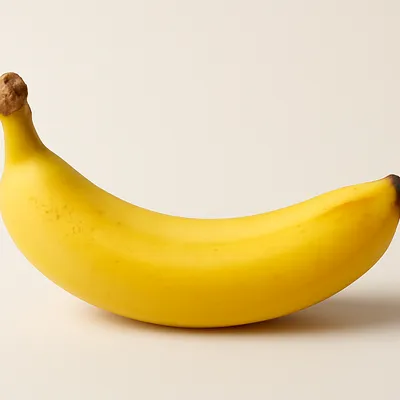
Fry ripe sweet plantain slices until golden and caramelized; set aside.
- 38 min
Cook French fries until crisp and golden; keep warm.
- 48 min
Sauté sliced onion slowly until soft and sweet; set aside.
Watch outCook the onions low and slow until soft and sweet — gentle heat coaxes their sugars out; rushed on high they just scorch.
- 54 min
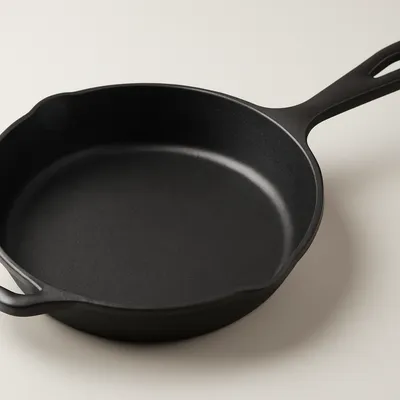
Sear the loin in a very hot pan, keeping the inside juicy and pink.
Watch outSear the loin in a very hot pan and pull it while the inside is still juicy and pink — lean loin dries out the moment it overcooks.
- 62 min
Fry an egg sunny-side-up with a runny yolk.
- 72 min
Plate the loin, top with onions and the fried egg, and ring with plantain and fries.
- 82 min
Serve with white rice and salsa criolla or ají on the side.
Archive tool suggestions — not reviewed
These legacy suggestions have not been evidence-reviewed and are not presented as required tools.