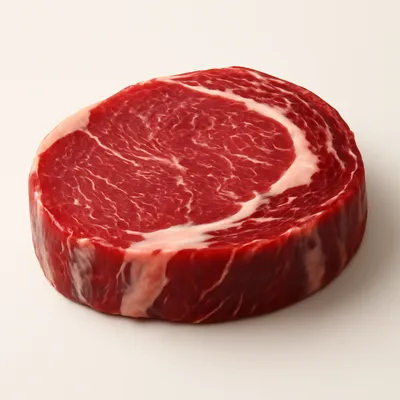
Olluquito con carne is the fresh-meat version of one of the Andes' most distinctive home dishes. Olluco — a small, brightly coloured Andean tuber — is cut into fine matchsticks and stewed with beef, ají amarillo and onion until the meat is tender and the olluco keeps a gentle, slippery-firm bite. Where the older highland dish uses dried, salted charqui, this everyday version uses fresh beef. It is served over white rice, the olluco's mild, earthy flavour soaking up the golden ají sauce.




Olluco (Ullucus tuberosus) is one of the oldest cultivated tubers of the central Andes, grown for thousands of years alongside the potato and prized for keeping its colour and crisp texture when cooked. The traditional highland preparation, olluquito con charqui, pairs the tuber with charqui — the sun-dried, salted llama or beef that allowed Andean families to store meat through the year. Olluquito con carne is the lowland and modern adaptation, made when fresh beef is on hand instead of dried; it is a staple of the Lima and highland home table alike. The dish is folk cooking rather than a single invention, and its identity rests on the olluco itself, which has no close substitute.
The olluco is the star: cut into matchsticks it stays firm and faintly crisp with a smooth, almost slippery surface, milder and earthier than a potato. The beef is tender and savoury, threaded through the golden ají amarillo sauce that lightly coats every strand. There is a soft, warm chilli glow rather than real heat, and a hum of cumin and garlic underneath. Spooned over rice it eats homey and satisfying, the slight slip of the olluco against the soft grains a texture you find in no other dish.
Olluco contains mucilage, a soluble fibre that can turn the dish slimy if it stews in too much liquid, so it is cut thin and cooked relatively dry, mostly in the ají sauce, which keeps its texture firm and clean. The ají amarillo paste is fried in oil first so its fat-soluble carotenoids bloom into the golden colour and the chilli's flavour develops. The beef is cut small and cooked until just tender; because the tuber needs only brief cooking to stay crisp, the meat and olluco are timed so both finish together rather than one going soft while the other turns to mush.
Variations
The traditional highland version, olluquito con charqui, uses dried salted meat and is treated as a distinct dish. Pork sometimes replaces beef. Some cooks add a few cubes of potato or a handful of peas; others keep it strictly olluco and meat. The ají amarillo is essential to both colour and flavour, and the dish is almost always served over white rice.
On the Palate
Where Olluquito con Carne sits in the Peruvian flavor cloud
Ingredients
Serves 4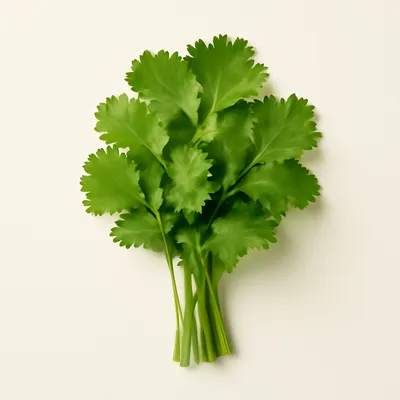
How it's made
8 steps · 35 min active + 15 min waiting
- 18 min
Scrub the olluco, then slice it into thin matchsticks and set aside.
- 25 min
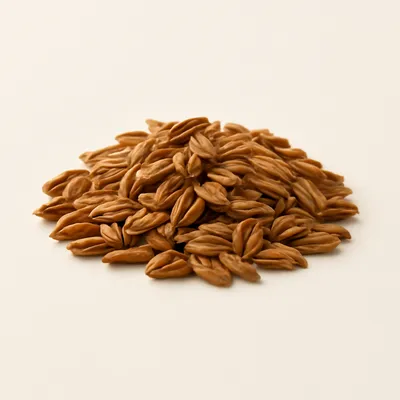
Cut beef into small dice, season with salt, pepper and cumin.
- 36 min
Heat oil and brown the beef, then remove it from the pan.
- 46 min
In the same pan soften finely chopped red onion, then add ají amarillo paste and garlic and fry until the oil turns golden and the paste smells sweet.
Watch outFry the ají amarillo paste in oil until the oil turns golden and it smells sweet — this blooms the chili's color and flavor before anything else goes in.
- 512 min
Return the beef, add a little stock, cover and simmer until the meat is nearly tender.
- 614 min
Stir in the olluco matchsticks and cook, mostly uncovered, until they are just tender but still firm and the sauce clings, about 12 to 15 minutes.
Watch outCook the olluco mostly uncovered until just tender but still firm — the tuber's mucilage turns slimy if it stews in too much liquid, so keep it relatively dry.
- 73 min
Taste and adjust salt, then stir through chopped cilantro.
- 83 min
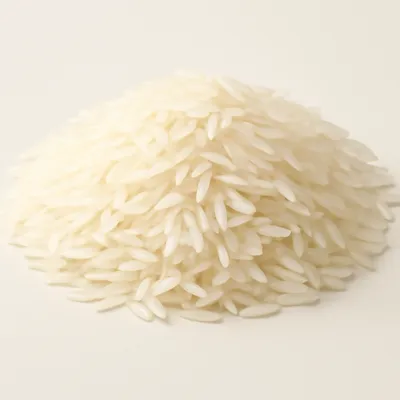
Serve hot over white rice.
Archive tool suggestions — not reviewed
These legacy suggestions have not been evidence-reviewed and are not presented as required tools.

