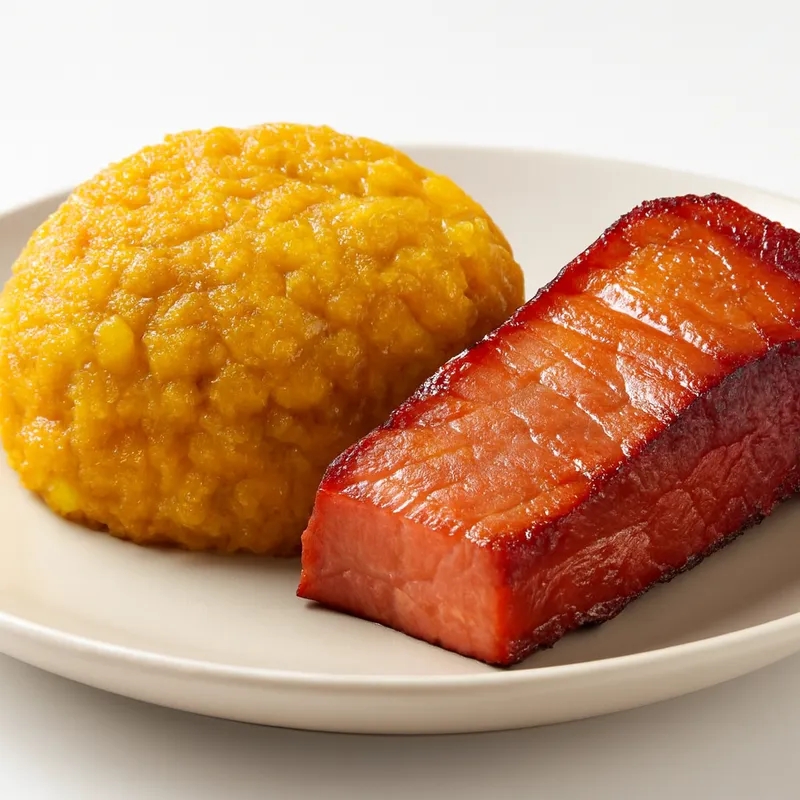
Caigua Rellena is a Peruvian home-style main of slipper gourd stuffed with seasoned ground beef and simmered in a tomato-onion sauce. The caigua, a hollow, mild Andean cucurbit, is cored and packed with beef cooked down with ají panca, ají amarillo, raisins, olives and chopped egg. The stuffed gourds are then braised in their sauce until the pod turns silky and absorbs the flavors. It is savory and lightly sweet-sour, served with white rice — comfort food prized for being both filling and notably light.





The dish is built on the caigua (Cyclanthera pedata), a curling-vined cucurbit native to the Andes and one of Peru's oldest cultivated vegetables — its remains turn up in preceramic coastal middens, and it is modeled on the ceramics of the Cupisnique and Moche cultures more than two thousand years ago. The stuffed preparation, however, is colonial-criollo: the technique of hollowing and stuffing a vegetable, and the filling of beef with raisins, olives and egg, follow the Spanish picadillo tradition. The dish is everyday home cooking rather than restaurant fare, valued as a light, low-calorie way to eat the gourd.
Cut across, a stuffed caigua shows a ring of tender, faintly grassy green pod wrapped around a dense, savory core of beef flecked with sweet raisins and salty olive. The pod itself is mild and slightly juicy, close to a cooked green pepper but cleaner-tasting, and it softens to silk in the braise. The filling carries the smoky depth of ají panca, the fruity warmth of ají amarillo, and the sweet-salty play of raisin against olive. Spooned over rice with its tomato sauce, it eats rich but never heavy.
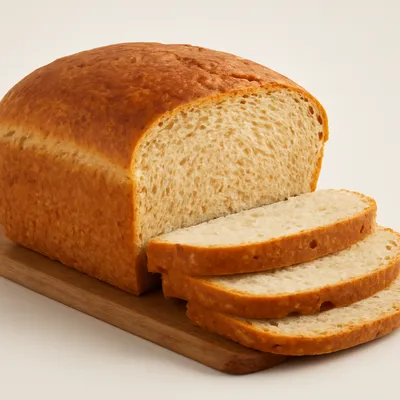
The caigua is naturally hollow once the seed-bearing core is pulled out, so it needs no scooping — it is a ready-made casing. Braising in the tomato-onion sauce does double duty: the moist heat softens the gourd's flesh until tender and silky, while the pod simultaneously absorbs the surrounding flavors and gives back its own mild juice to the sauce. The filling is cooked through first, so the braise only needs to tenderize the pod and marry the two. Soaked bread bound into the meat keeps the filling moist and tender rather than dense and dry.
Variations
Beef is the standard filling, but ground pork, chicken or even tuna are used. Some cooks keep the filling lean and simple; others lean into the picadillo with more raisins, olives and a touch of hard-boiled egg. Where caigua is unavailable, the same stuffing fills other mild gourds or bell peppers. The gourds may be braised whole in sauce as here, or breaded and fried, then sauced. It is typically plated with white rice or mashed potato.
On the Palate
Where Caigua Rellena sits in the Peruvian flavor cloud
Ingredients
Serves 4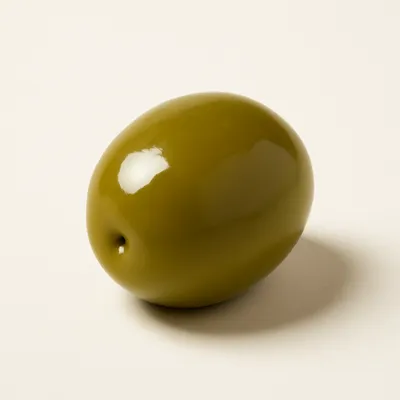

How it's made
8 steps · 40 min active + 20 min waiting
- 112 min
Cut a slit or remove the tip of each caigua and pull out the seed-bearing core, leaving a hollow pod; rinse.
- 28 min
Sweat chopped onion and garlic in oil, add grated tomato and tomato paste, then stir in ají panca and ají amarillo and cook to a thick sauce base.
- 310 min
Add the ground beef, breaking it up, and season with cumin, oregano, salt and pepper; cook until done.
Watch outCook the ground beef filling through completely before it goes in the pods; the braise is only meant to tenderize the caigua, not finish raw meat.
- 45 min
Stir chopped olives, raisins, hard-boiled egg and drained soaked bread into the meat; reserve a few spoonfuls of plain sauce.
- 58 min
Pack the filling firmly into the hollow caiguas and close the openings with the cut tips.
- 63 min
Spread the reserved sauce and a little beef stock in a pot and lay the stuffed caiguas on top.
- 718 min
Cover and braise gently until the pods are silky-tender and have taken up the sauce, turning once.
Watch outBraise gently, turning once, until the pods are silky-tender and have drunk up the sauce; rush it hot and the caigua stays firm and grassy.
- 82 min
Serve hot with white rice, spooning the sauce over.
Archive tool suggestions — not reviewed
These legacy suggestions have not been evidence-reviewed and are not presented as required tools.