Sara Lawa is a thick fresh-corn soup from the southern Peruvian highlands, an everyday dish of the Cusco countryside. Kernels of tender white corn are ground or blended with huacatay and dried ají, then strained and cooked down into a smooth, porridge-like body. Potatoes and fresh fava beans simmer in it, and cubes of fresh cheese are dropped in at the end to soften. The result sits between a soup and a cream — comforting, faintly sweet from the corn, and scented green with Andean mint.
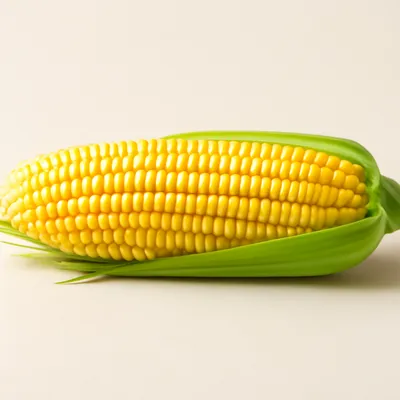
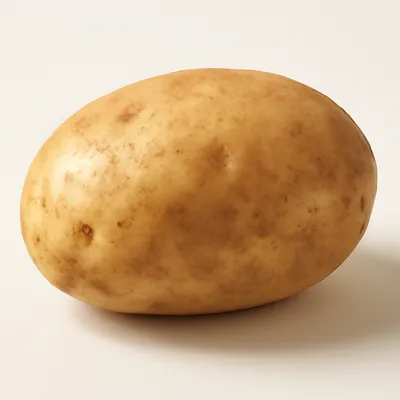
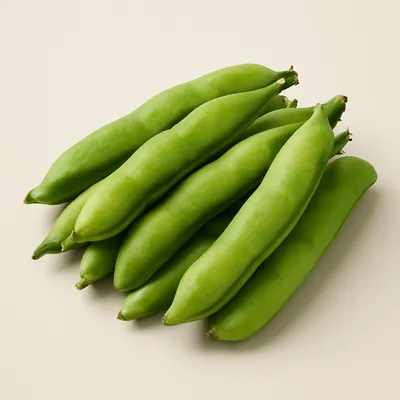


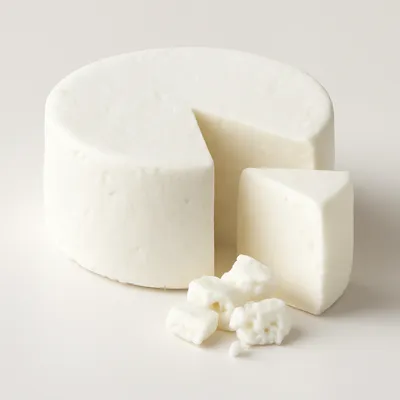
The name is pure Quechua: 'sara' means corn and 'lawa' denotes a thick Andean soup thickened with a ground starch — corn, wheat, or freeze-dried potato. It belongs to the southern Andes of Cusco and Puno, regions that grow some of Peru's most prized large-kernel white corn. Lawa is everyday home food, but it has a particular place at Easter: in Cusco it is traditionally eaten during Holy Week, when observant Catholics abstain from meat, and a meatless corn lawa fits the table.
The soup is pale yellow-green and thick enough to coat a spoon, carrying soft potato and tender favas. The first taste is the milky sweetness of fresh corn, lifted by the peppery, resinous note of huacatay and a low warmth of ají. The fresh cheese melts into soft salty bites, and the texture is smooth but with a faint grain from the ground corn. It is warm, filling and gentle — the kind of bowl eaten daily at altitude.
The body comes entirely from fresh corn: blending raw kernels with liquid releases their starch, and straining out the hulls leaves a smooth slurry that thickens as it cooks, the way a roux thickens a sauce. It must be stirred constantly once added, because the corn starch settles and scorches easily and can curdle if neglected. Huacatay and dried ají are blended in raw so their oils carry through the whole soup. Fresh cheese goes in last and only softens, never fully melting, leaving distinct salty curds in the cream.
Variations
Cusco cooks make it almost porridge-thick; lighter versions read more like a soup. Where fresh corn is scarce, dried corn flour stands in. A wider Andean family of lawas uses other thickeners — wheat lawa, and chuño lawa made from freeze-dried potato — while the Bolivian highlands cook a close relative under the name lawa de maíz or jank'a-kipa. Some households drop in a beaten egg or a little milk for extra richness.
On the Palate
Where Sara Lawa sits in the Peruvian flavor cloud
Ingredients
Serves 4
How it's made
8 steps · 25 min active + 15 min waiting
- 110 min
Cut tender white corn kernels from the cobs. Reserve a handful; blend the rest with water, huacatay leaves and dried ají until smooth.
- 24 min
Strain the corn mixture through a sieve, pressing to extract the liquid; discard the hulls.
Watch outStrain the blended corn well and press out every drop of liquid — the smooth slurry is what thickens the soup; leftover hulls make it gritty.
- 36 min
Peel and dice the potatoes; shell the fava beans, blanching and peeling them if mature.
- 48 min
Bring lightly salted water to a simmer, add the potatoes and favas, and cook until nearly tender.
- 58 min
Pour in the strained corn liquid, stirring constantly so it does not settle or curdle, and cook until it thickens to a creamy body.
Watch outOnce the corn liquid goes in, stir constantly — the starch settles and scorches easily and will curdle if you leave it alone.
- 63 min
Stir in the reserved whole kernels and simmer a few minutes more.
- 73 min
Drop in cubes of fresh cheese and let them soften without fully melting.
Watch outDrop in the fresh cheese last and let it only soften, not fully melt — you want distinct salty curds left in the cream.
- 81 min
Adjust salt, finish with a little chopped huacatay, and serve hot.
Archive tool suggestions — not reviewed
These legacy suggestions have not been evidence-reviewed and are not presented as required tools.



