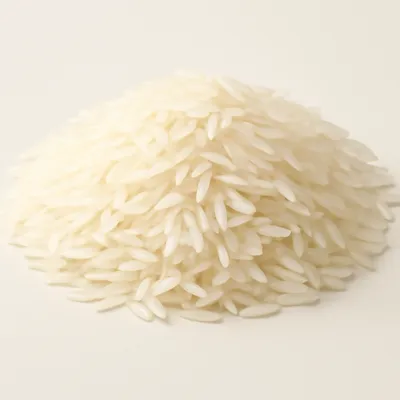
The north-coast seco in its oldest form: milk-fed kid goat marinated in chicha de jora, then braised slowly in a deep-green purée of cilantro and aji amarillo until the meat falls from the bone. It is served the northern way — with canary beans, white rice, boiled cassava and a heap of salsa criolla. In Lambayeque, loche squash thickens and perfumes the sauce.


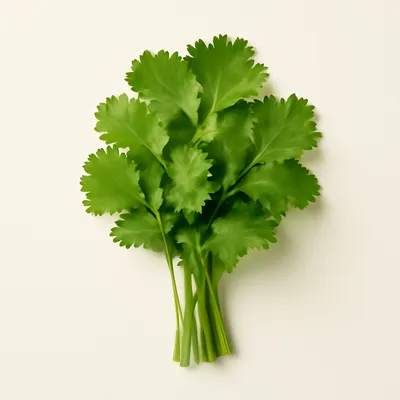



Seco de cabrito belongs to the northern departments of Piura and Lambayeque, where goat herding long shaped the table. Like the lamb seco of Trujillo, it descends from the North African 'dry' tajine carried through Spain — slow-braising with cilantro, cumin and garlic — refitted in Peru with native chicha de jora and ajíes. Lambayeque, often called the dish's home, leans on its prized loche squash and a heavy hand of cilantro for the deep green; the Piura version reaches instead for bell pepper and a stronger chicha marinade.
The kid is sweeter and gamier than lamb, the meat pulling apart under a sauce that tastes vividly of fresh cilantro with a low ají warmth and a sour-fruity edge from the fermented corn. Loche, where used, lends a faintly nutty, pumpkin sweetness. Beans soak up the green sauce, rice steadies it, the raw onion salsa snaps across the top. A Sunday plate built for a long table.
The chicha de jora marinade does early work — its acids and ferment tenderize the goat and seed a tangy base note over a long soak. The signature green hinges on cilantro handling: the purée goes in only after the meat is browned and is never cooked longer than the braise needs, or the chlorophyll dulls to brown. A slow simmer melts the kid's connective tissue to the fall-off-the-bone texture the dish is named, perversely, 'dry' for — meaning the sauce is reduced and clinging, not soupy.
Variations
Lambayeque uses loche squash and abundant cilantro; Piura swaps in bell pepper and emphasizes a stronger chicha marinade. Trujillo's neighboring version uses lamb (seco de cordero) instead of goat, and home cooks short on chicha de jora substitute dark beer.
On the Palate
Where Seco de Cabrito sits in the Peruvian flavor cloud
Ingredients
Serves 6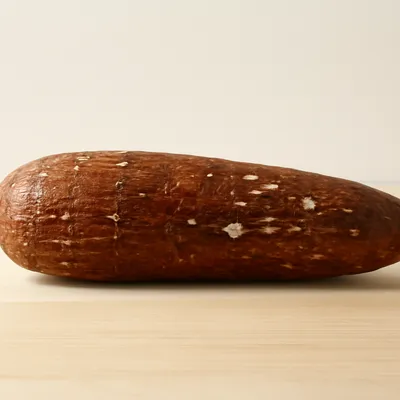
How it's made
8 steps · 2 hours 30 min
- 120 min
Cut the kid goat into pieces and marinate in chicha de jora with garlic, cumin, salt and pepper for several hours or overnight.
- 28 min
Blend cilantro (and a little spinach) with aji amarillo and a splash of stock into a smooth green purée.
Watch outBlend the cilantro fresh and add it after browning, cooking no longer than the braise needs — cook it too long and the bright green dulls to brown.
- 310 min
Brown the drained goat pieces in hot oil, then remove.
- 48 min
Soften chopped onion and garlic in the same pot; add grated loche squash if using.
- 590 min
Pour in the green purée and the marinade, return the goat, and simmer gently, covered, until fork-tender.
Watch outSimmer gently and long until the kid is fall-off-the-bone and the sauce reduces to clinging — 'seco' means dry, so the sauce should coat, not pool.
- 660 min
Meanwhile cook canary beans until soft and boil cassava until done.
- 78 min
Make salsa criolla from sliced red onion, lime, aji limo and cilantro.
- 85 min
Serve the seco with beans, white rice, cassava and salsa criolla on top.
Archive tool suggestions — not reviewed
These legacy suggestions have not been evidence-reviewed and are not presented as required tools.


