A cold Nikkei starter of tender poached octopus, sliced thin and cloaked in a smooth, purplish mayonnaise made from Peru's cured botija olives. The contrast is the whole dish: cool, clean octopus against a rich, salty-savory olive cream the color of dusk. It is plated simply — fanned slices under a generous pour of olive sauce — and is one of the best-known dishes of the Japanese-Peruvian table.

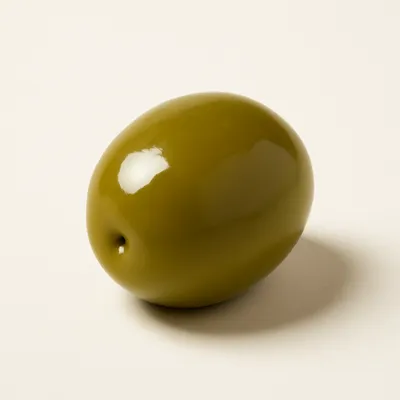


The dish is credited to Rosita Yimura, a daughter of Japanese immigrants born in Callao and often called the mother of Nikkei cuisine. By most accounts she created it in the 1980s at her restaurant, Salón Rosita, while trying to recreate an octopus-and-mayonnaise idea from a chef friend; she settled on a homemade mayonnaise flavored with the dark, naturally salt-cured botija olive. Yimura died in 2004, and the restaurant continues under her son Akira. The dish exemplifies the Nikkei method — a Japanese cook's instinct for cleanly cooked seafood meeting a distinctly Peruvian ingredient, the botija olive of the southern coast.
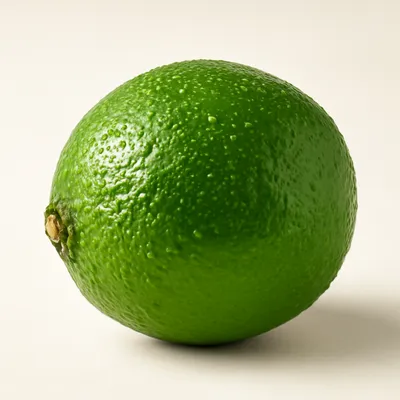
Cool slices of octopus with a clean, faintly sweet bite and just enough give, blanketed in a thick olive mayonnaise that is salty, savory and almost meaty. The sauce carries the dark, briny depth of cured botija olives smoothed by egg and oil, so it coats rather than overwhelms. There is no heat and little acid — it is a study in richness and texture, often lifted by a squeeze of lime at the table.
Octopus is tough until its collagen breaks down, so it is simmered gently — often 45 minutes to an hour — until a knife slips into the thickest part; overcooking past that point turns it stringy. Many cooks blanch it three times or add a wine cork by tradition, but slow, steady heat is what matters. The sauce is an emulsion: egg yolk and oil whipped to a mayonnaise, then blended with cured botija olives, which lend their salt, color and umami without any added vinegar sharpness. Serving everything cold keeps the octopus firm and the sauce thick.
Variations
Some versions thin the sauce with a little olive brine or cream for a looser pour; others fan the octopus over sliced potato or avocado; a few finish with capers or a dusting of paprika; and the same olive mayonnaise is sometimes served with octopus that has been grilled rather than poached.
On the Palate
Where Pulpo al Olivo sits in the Peruvian flavor cloud
Ingredients
Serves 4How it's made
7 steps · 30 min active + 45 min waiting
- 18 min
Bring a large pot of water to a gentle simmer and lower in the whole octopus.
- 255 min
Poach slowly for 45 minutes to an hour, until a knife slides easily into the thickest tentacle.
Watch outPoach the octopus gently until a knife slides easily into the thickest tentacle — that's the doneness point; past it, it turns stringy.
- 38 min
Lift out, cool, and slice the tentacles thinly on the diagonal; chill.
- 45 min
Make a mayonnaise by whisking egg yolk with oil until thick and emulsified.
- 54 min
Blend in pitted botija olives until the sauce turns smooth and purple-grey; season with salt.
Watch outBlend the botija olives into the mayonnaise until it turns smooth and purple-grey — the olives bring the salt and umami, so no vinegar is needed.
- 63 min
Fan the cold octopus slices over a plate.
- 72 min
Spoon the olive sauce generously over the top and serve cold, with lime alongside.
Archive tool suggestions — not reviewed
These legacy suggestions have not been evidence-reviewed and are not presented as required tools.



