Masato is a fermented cassava drink of the Peruvian Amazon, made by boiling, peeling and mashing yuca, then leaving it to ferment for a day or more into a thick, tangy, mildly alcoholic beverage. Among many Amazonian peoples it is the everyday communal drink, shared from a common gourd at gatherings, work parties and festivals. It ranges from barely fermented and sweet to sour and notably alcoholic depending on how long it sits. Served at room temperature, often diluted with water to a drinkable thickness.
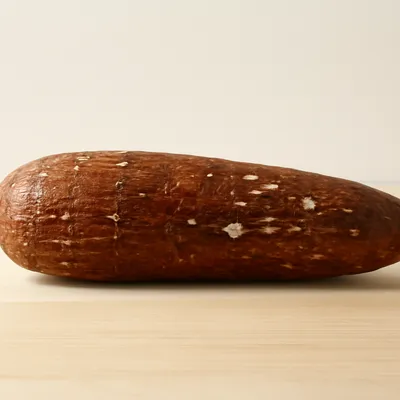


Masato is a pre-Hispanic Amazonian preparation rooted in cassava, a crop domesticated in the South American lowlands thousands of years ago and long central to Amazonian diets. It is documented among numerous Indigenous groups of the Peruvian jungle, including Shipibo, Asháninka and others, where it functions as both food and social drink. In the traditional method, fermentation is started after some of the boiled yuca is chewed and returned to the mash, the saliva's enzymes breaking starch into fermentable sugars; many households today instead rely on natural wild fermentation or added sugar. No single inventor or date attaches to it — it is a deep-rooted communal foodway rather than a recipe.
Thick and opaque, somewhere between a drink and a thin gruel, off-white to pale beige. Young masato is sweetish and milky with a faint sourness; left longer it turns distinctly tart and yeasty, with a low cidery alcohol warmth. The body is starchy and a little gritty from the mashed cassava. It finishes clean and sour, refreshing in jungle heat.
Boiling softens the cassava and gelatinizes its starch so it can be mashed smooth and is accessible to microbes. Fermentation is the heart of the drink: yeasts and lactic-acid bacteria convert the cassava's sugars into acids, carbon dioxide and a little alcohol, which is what thins, sours and lifts the mash over a day or more. In the chewed-starch tradition, salivary amylase first breaks long starch chains into simpler sugars, giving the microbes an easy head start; warmth speeds the whole process, so a jungle day yields a sharper, stronger brew.
Variations
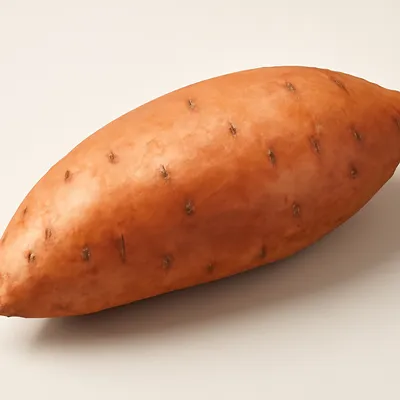
Sweet, lightly fermented masato is served to children and guests as a fresh drink; longer-fermented batches are the festive, more alcoholic version for adults. Some communities still use the chewed-cassava starter while others ferment naturally or add sugar or boniato. Related fermented drinks across the Amazon use plantain or peach palm fruit, but cassava masato is the best known.
On the Palate
Where Masato sits in the Peruvian flavor cloud
Ingredients
Serves 8How it's made
7 steps · 1 hour 30 min
- 130 min
Peel the cassava, cut into chunks and boil until completely soft.
Watch outBoil the cassava until completely soft — it has to gelatinize fully so it mashes smooth and the microbes can work on the starch.
- 210 min
Drain and mash the hot cassava into a smooth, thick paste, removing any fibrous cores.
- 35 min
Loosen the mash with a little of the cooking water to a porridge-like consistency.
- 43 min
Stir in sugar to feed the fermentation and mix well.
- 52 min
Transfer to a clean wide vessel, cover loosely and leave at warm room temperature.
- 62880 min
Let ferment for one to three days, tasting until it turns pleasantly tart and lightly alcoholic.
Watch outFerment one to three days, tasting until it turns pleasantly tart and lightly alcoholic — warmth speeds it, so start checking early.
- 75 min
Dilute with cool boiled water to a drinkable thickness and serve at room temperature.
Archive tool suggestions — not reviewed
These legacy suggestions have not been evidence-reviewed and are not presented as required tools.