
Togolese fufu — boiled cassava and yam (often with green plantain) pounded in a wooden mortar with a pestle until they form a smooth, elastic, slightly-sticky dough. Eaten by pinching off pieces with the right hand, dipping into sauces. The universal West African pounded starch.
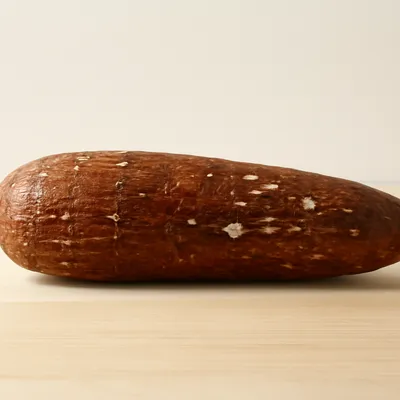
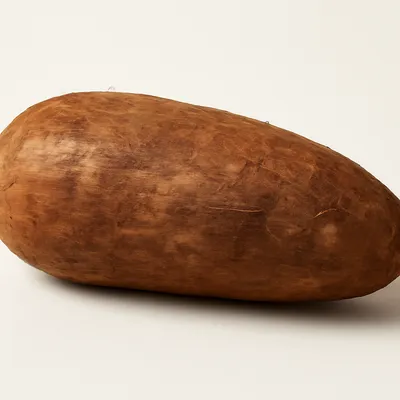



Fufu is the universal West African pounded starch dish — variants are made across Ghana, Togo, Benin, Nigeria, Ivory Coast, and beyond. The Togolese version typically combines cassava, yam, and sometimes plantain. The traditional preparation involves wooden mortars and long-handled pestles; modern home cooks often use food processors or instant fufu flour.
Tear a piece of fufu — pale white-cream, smooth as silk, slightly elastic and warm. Bring to your mouth: don't chew, just swallow. The texture is what defines fufu — neither chewy nor crumbly, but a substantial, pillowy starch. Plain fufu is gentle; it comes alive when dipped into the stew. Dip into gboma dessi: the fufu absorbs the sauce, becoming an intensely-flavored bite. The right-hand-only eating, the pinch-and-dip rhythm, is the universal West African meal experience.
Pounding develops the starches into the characteristic elastic, swallowable texture. Adding cooking water as needed prevents the fufu from becoming dry while maintaining its shape. The hot temperature during pounding is essential — cool fufu becomes hard and rubbery.
Variations
Cassava-only fufu. Yam-only fufu (the Akan tradition). Plantain fufu. Instant fufu from packaged flour (modern shortcut). Each combination gives different texture and flavor.
On the Palate
Where Fufu Togolese sits in the Togolese flavor cloud
Ingredients
Serves 6How it's made
9 steps · 50 min active + 25 min waiting
- 16 min
Peel 800 g cassava + 600 g yam (and optionally 2 green plantains). Cut into 5-cm chunks.
- 228 min
Place in a large pot with cold water to cover + 1 tsp salt. Bring to a boil; cook 25-30 min until completely tender.
Watch outBoil the cassava and yam until a fork goes through with no resistance — any firm core will stay lumpy no matter how long you pound.
- 34 min
Drain. Reserve 1 cup cooking water.
- 425 min
Traditional method: place hot chunks in a wooden mortar; pound with a wooden pestle (two people work best — one pounds, one moves the dough), adding small splashes of reserved cooking water as needed, until smooth, elastic, and lump-free (20-30 min of pounding).
Watch outPound while the chunks are piping hot until the mass turns smooth and stretchy — let it cool and it seizes up hard and rubbery.
- 512 min
Modern method: place hot chunks in a stand mixer with a dough hook; mix on medium 10-15 min, adding reserved water as needed, until smooth and elastic.
- 62 min
Test: the fufu should hold its shape when scooped, but be smooth and tear-able into pieces.
Watch outIt's ready when a scooped ball holds its shape yet tears clean into soft pieces — grainy or stiff means it needs more pounding and a splash of water.
- 74 min
Shape: with a wet spoon, scoop portions into smooth mounds onto serving plates.
- 82 min
Serve immediately, hot. Cool fufu becomes rubbery.
Watch outServe it right away while soft and warm — fufu left to sit turns tight and rubbery fast.
- 93 min
Eat by tearing off small pieces with the right hand; dip into stews (gboma dessi, light soup, peanut soup). Don't chew — swallow the small pieces whole (the West African tradition).


