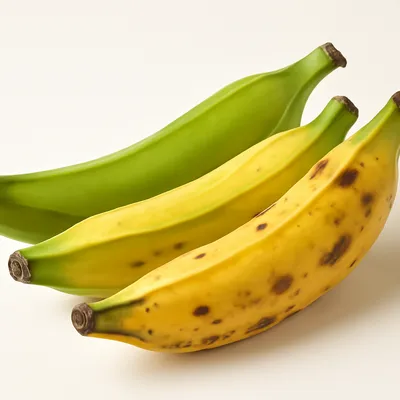
Starchy cooking banana that transforms from savory-starchy when green to sweet and caramelized when ripe.
Where it comes from
Believed to have originated in Southeast Asia, plantains are now deeply embedded in the culinary traditions of Latin America, where they are used in numerous forms.
In the kitchen
Fried, boiled, or baked, plantains serve as a versatile side dish or base, adding hearty texture and sweetness to various dishes.
Across cuisines
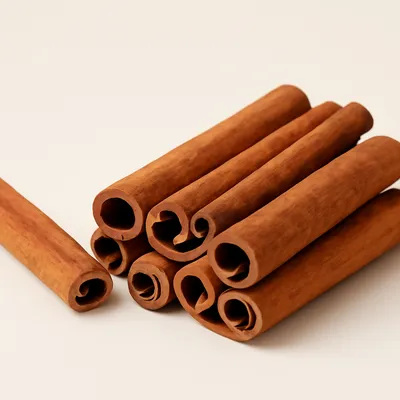
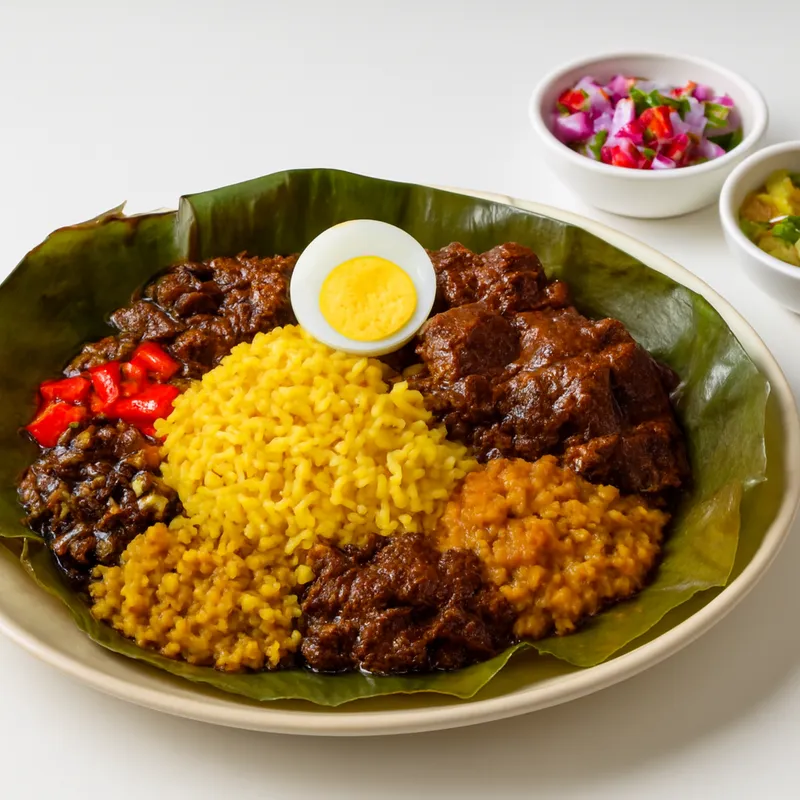
Plantains are central to Ghanaian eating — ripe plantain cubed and spice-fried into kelewele (the cinnamon-and-ginger-spiced street snack), boiled and mashed for fufu, served alongside red red bean stew. The ripeness stage determines everything: green for boiling, yellow for frying, black-spotted for kelewele.
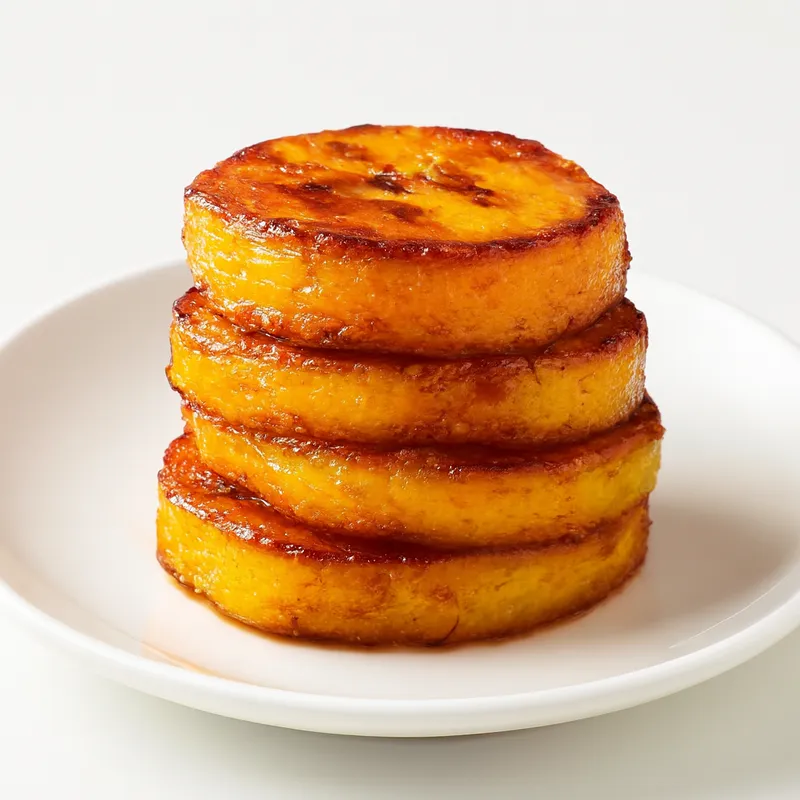
In Caribbean cuisine, plantains are used at various stages of ripeness. Green plantains are fried twice to make tostones, which are crispy and savory. Ripe plantains, known as maduros, are fried once to highlight their natural sweetness. The same fruit is treated differently depending on its maturity, allowing for a range of textures and flavors.
In Caribbean cuisine, plantains are used at various stages of ripeness. Green plantains are fried twice to make tostones, which are crispy and savory. Ripe plantains, known as maduros, are fried once to highlight their natural sweetness. The same fruit is treated differently depending on its maturity, allowing for a range of textures and flavors.
Nutrition (per 100g)
AI-estimated; model and run unavailable.